
Pastitsio, tradition and love: The story behind Louizidis taverna in Vouliagmeni
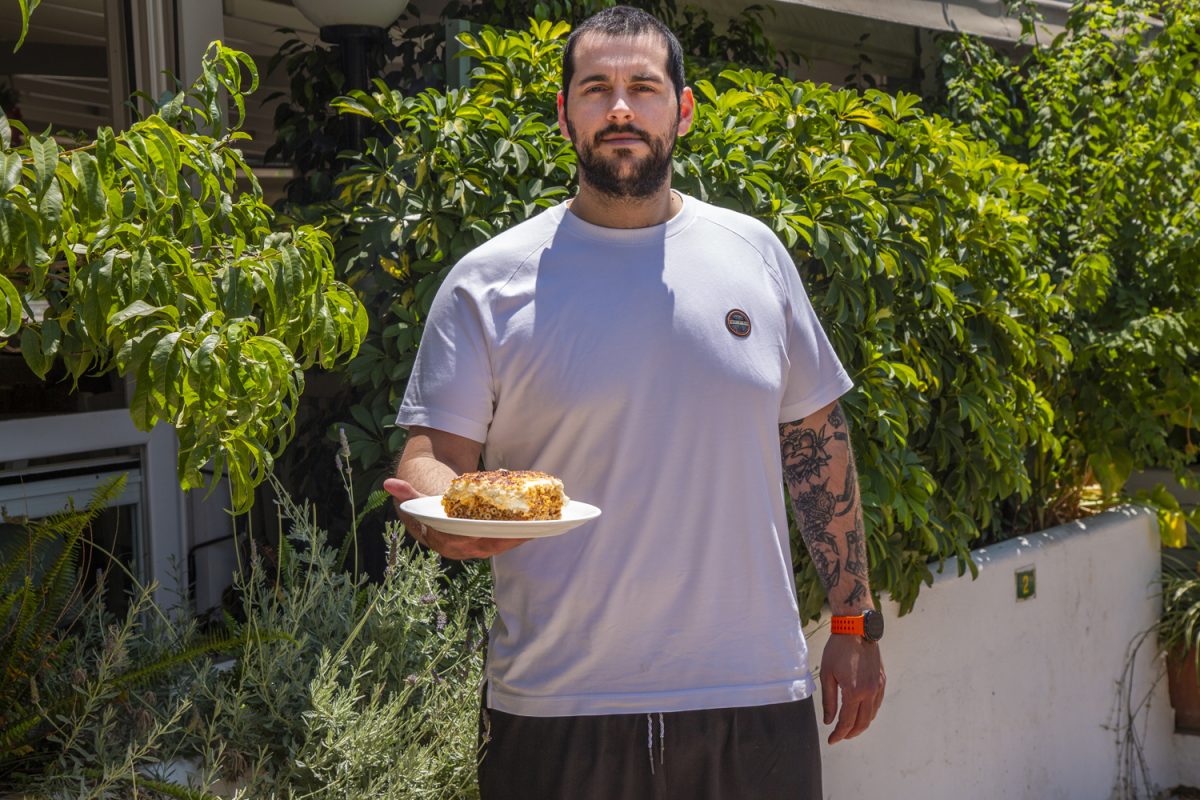
In the heart of Vouliagmeni, a family-run taverna keeps Greek tradition alive and highlights the warmth of local hospitality. Louizidis is a place where Greeks and visitors alike discover the authentic sights and flavors of Greece.

The cosmopolitan Vouliagmeni of today was once a fishing village, and if there’s anything that still evokes those earlier days, it’s the Louizidis taverna. It’s the place where, after a swim in the sea, you’ll sit down with friends for traditional Greek food or a freshly grilled fish. The unsung hero is Christos Louizidis, who rarely leaves the kitchen but makes sure you’re served food that doesn’t just remind you of your grandmother’s cooking – it actually comes from his own grandmother’s recipes. His father, Akis, and his uncle, Giorgos, will come out to welcome you with a smile, never showing a trace of stress or rush. You already feel at home… and that’s just the beginning.
It’s remarkable how, every single day, you’ll find all the classic home-style dishes – just make sure you arrive early, because they sell out fast. On Saturdays and Sundays, after the beach, the place is packed. “In summer we cook both morning and evening. Even though we cook twice a day, chances are you won’t find any moussaka or lemon chicken left by 10 p.m.,” Christos says with a smile.
Christos is calm, with a clear, gentle gaze and a soft voice. Humble, grounded, and a man of few words. When I told him we wanted to interview him for our “summer heroes” feature, he politely replied, “I’m not a hero.” But for us, he clearly is one. He fits the role perfectly: through his craft, he generously gives love to others, works with only three days off all summer, makes his family proud, runs a business without ever raising his voice, and does it all as if it were the most natural thing in the world.
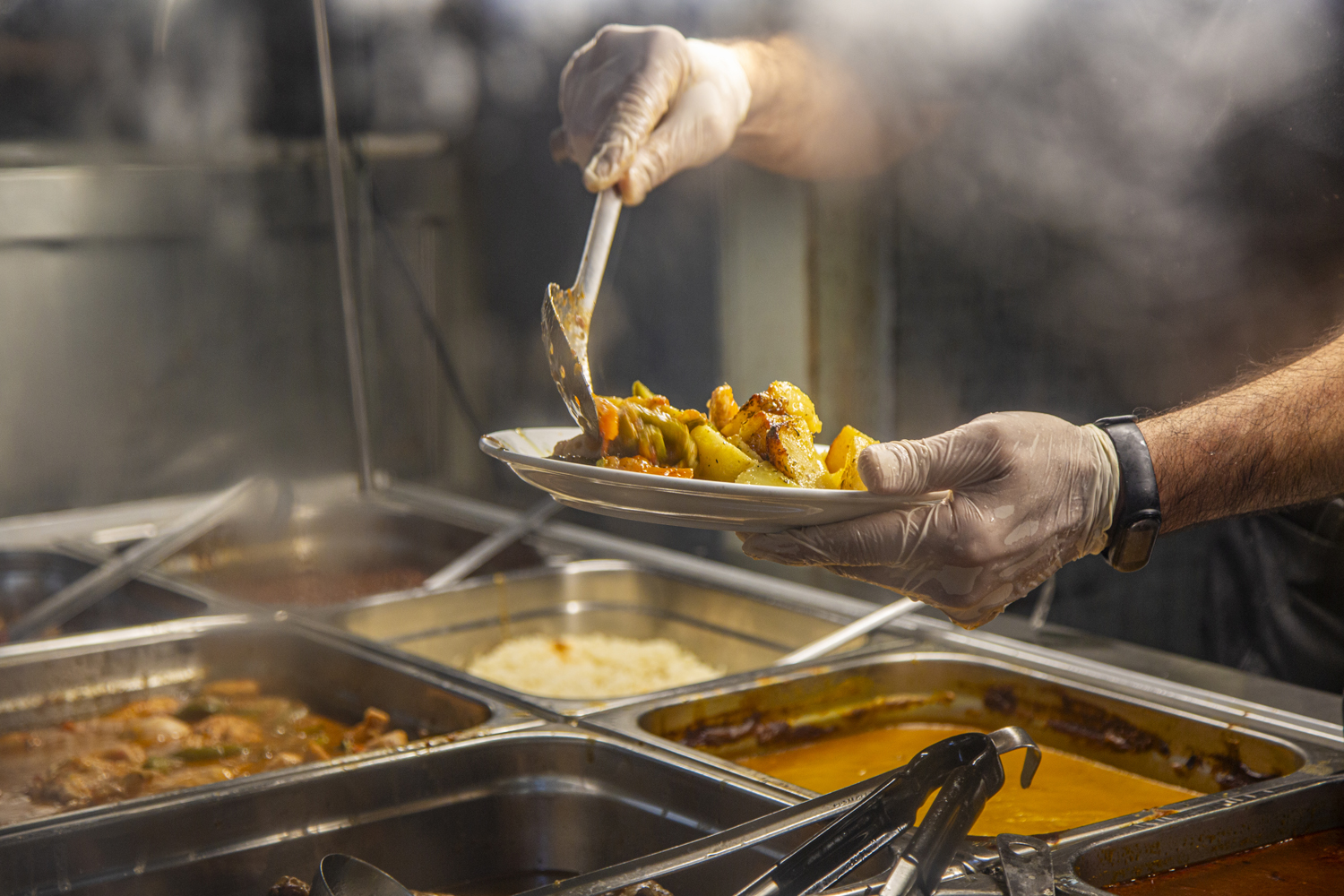
His grandmother Athina entrusted him with all the secrets of her kitchen. But it wasn’t just the recipes she passed down – it was her love for tradition, her care for quality, and her sense of family.
“The taverna opened in 1967, by my grandparents. My grandmother did the cooking and my dad and uncle used to help out every summer. They’d be playing basketball, and she’d come drag them by the ear to help in the restaurant. I didn’t grow up like that – I played water polo. I spent my summers at the pool, in training. And I had no intention of working here, it never crossed my mind. I was thinking about going professional in water polo, but eventually I chose to study cooking. In my first year at culinary school, I realized what cooking really meant. I worked at a five-star hotel, and that’s where I fell in love with it. But even then, I didn’t plan to come here. My parents didn’t want me to get into this line of work, and even my grandmother once said it’s the worst job someone can do. But you know what? Water polo helped me in what I do now. It taught me discipline, how to work as part of a team… and of course, how to handle pressure from a coach – in this case, my dad.”
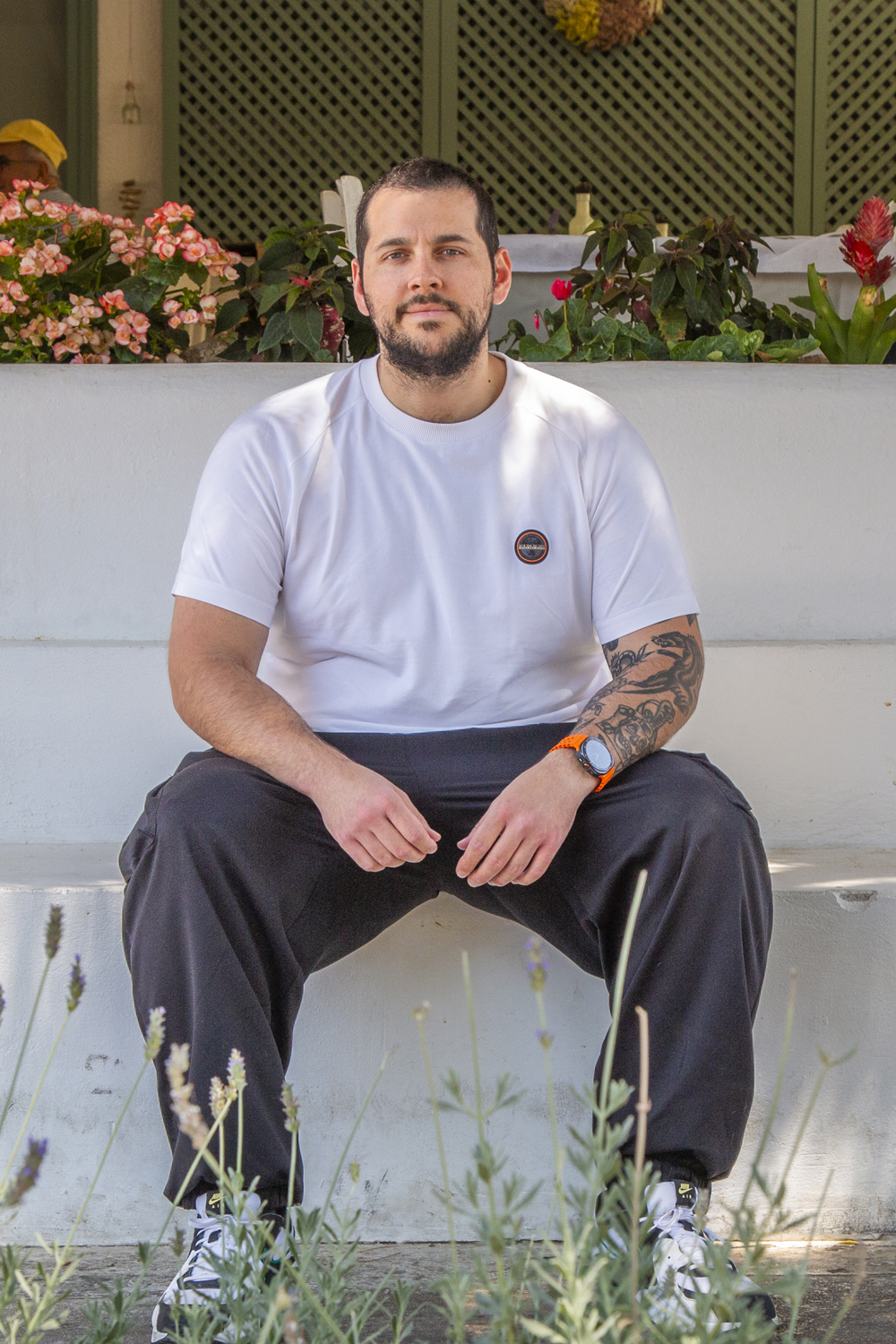
After his time working in hotels and restaurants, Christos’s heart led him back to the family taverna. “My grandmother was still around when I started. She didn’t cook anymore, but she supervised… I’d ask her questions, and she’d tell me things. Most of the recipes came from what I asked her, and from things my dad and uncle told me. They don’t cook, but they know a lot. I gathered information, wrote down the recipes, and I still follow them to this day, just like she did. She passed away five or six months after she stopped coming to the kitchen. She was very old by then.”
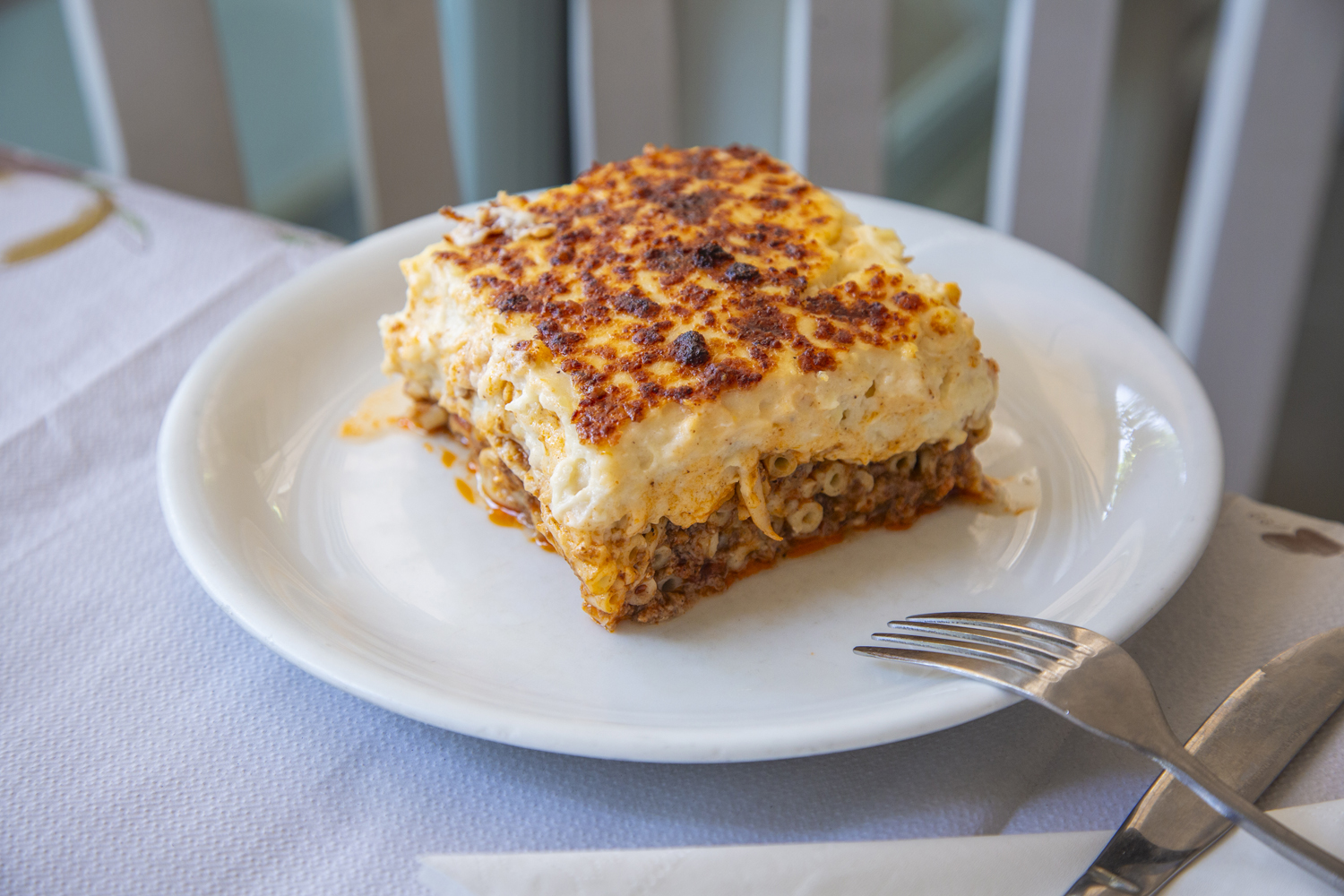
As he tells it, in the summer the majority of their customers are international visitors who, even if they’re only in town for a few days, come back to Louizidis again and again to try more dishes. “The first time, they’ll go for the slow-cooked meals. The second time, they’ll usually order a fresh fish. Vouliagmeni isn’t really a fishing village anymore. Fresh fish is hard to come by, but we find it. We need a big supply to meet the demand. Personally, I love seafood. But my favorite dish is pastitsio.”
Moussaka, baked eggplant, pastitsio, stewed beef in red sauce – these are the dishes that foreigners especially love. “We make all of our home-cooked dishes every day. People choose us for the quality, and they like that we’re a traditional place that’s been around for 60 years. In summer, we work almost exclusively with visitors from abroad. Generally speaking, summer is exhausting for us – physically and mentally – because we might serve 800 or 900 people in a single day, maybe more. But we love it, we care about it, and we do it with joy. That’s how it is when something is your own.”
“At the end of the night, you say, ‘Thank God I have work.’ It saddens me when I hear others – friends, colleagues – don’t have enough business or have to shut down their restaurants.”
“In the winter, we have regulars almost every day. We try to maintain our quality, even though the cost of ingredients keeps rising. But the quality doesn’t drop, and people notice that. That’s why they keep coming. Also, in winter, delivery works well for us. We started doing it before COVID. Delivery platforms help a lot, but we also take phone orders. Some older people aren’t familiar with using apps. We also have loyal customers who work nearby and stop in at lunchtime for a quick bite before heading back to the office. There are people who might even have chefs at home – but they still come here, regularly.”
“They love my father. He picks up the kids, goes around greeting every table, talks to everyone. I try to come out of the kitchen too, to meet people, to say hello – because in the end, they feel like family. If it weren’t for my dad and my uncle, this taverna wouldn’t exist. People come in and if they don’t see my father, they ask, ‘Where’s Akis?’ They look for him. What he does, I didn’t understand at first. But really, some people come here just for Akis and Giorgos. I’ll give them that. It’s incredible.”
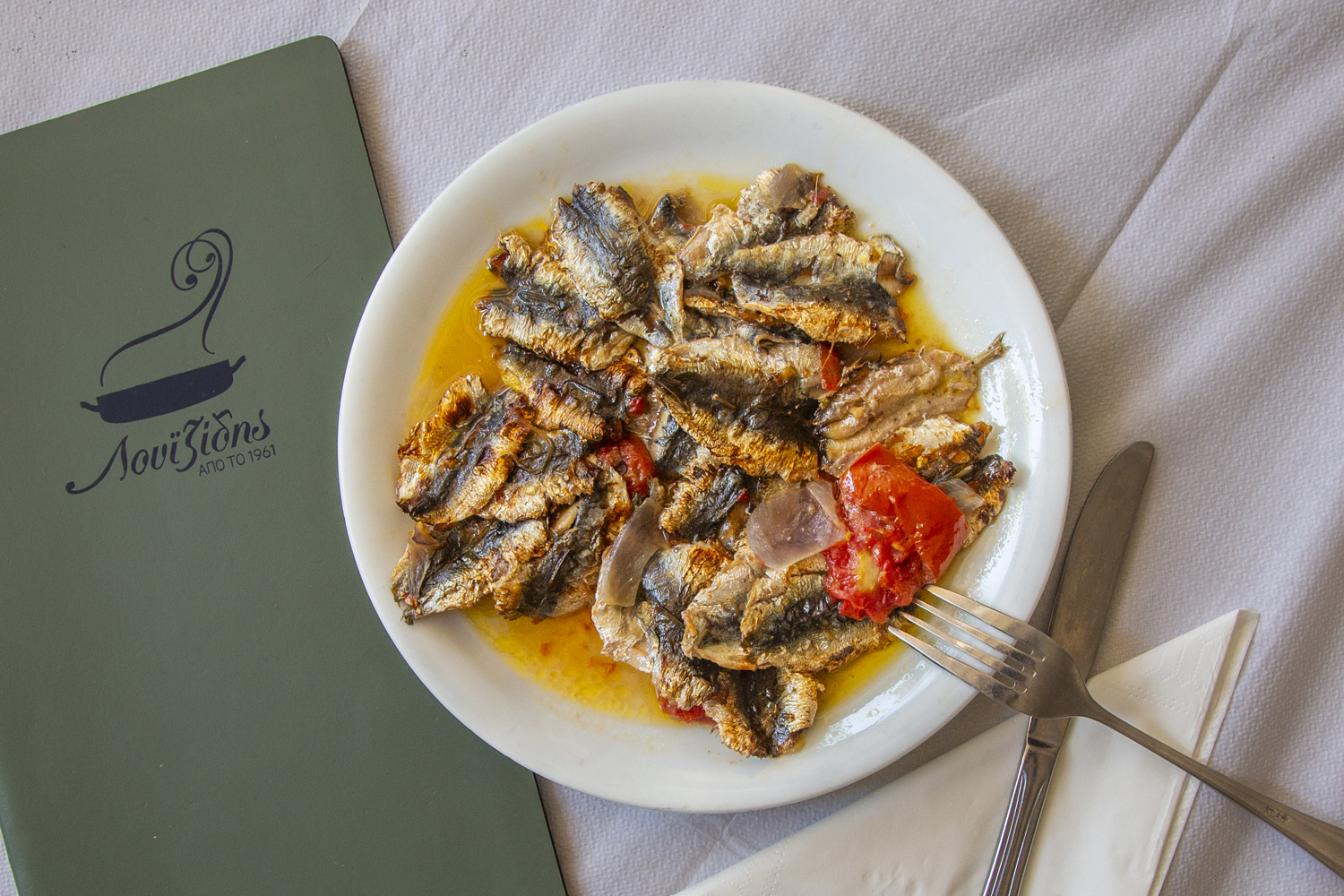
Besides running the family taverna, Christos also works as a private chef in people’s homes. “There, I have more creative freedom. I add touches here too, but the food stays traditional, and that’s not going to change. Neither will the taverna’s style. People come here precisely for what they find – regardless of how much Vouliagmeni changes. Of course, there are many who prefer restaurants with modern Greek cuisine, more Instagrammable. I’ve tried deconstructed pastitsio with Italian pasta. It’s nice – but it doesn’t suit us, and I’ll never make it here.”
Although they’re a big family, and despite the tensions that come with working together every day, at the end of each day they all sit at the same table to eat. “We argue daily about the business – that’s what happens when you work with your family. But at night, we sit down together and share a meal. That’s something we’ve kept. Our family dinner happens right here, at the restaurant. We only eat at home on New Year’s and Easter Sunday- those are the only two days we close all year. We’re not the kind of family that only gathers on Sundays. Sitting down to eat together – and we are a big group- is something we do two or three times a week. Who else is lucky enough to do that? We’re close because that’s how we were raised.”
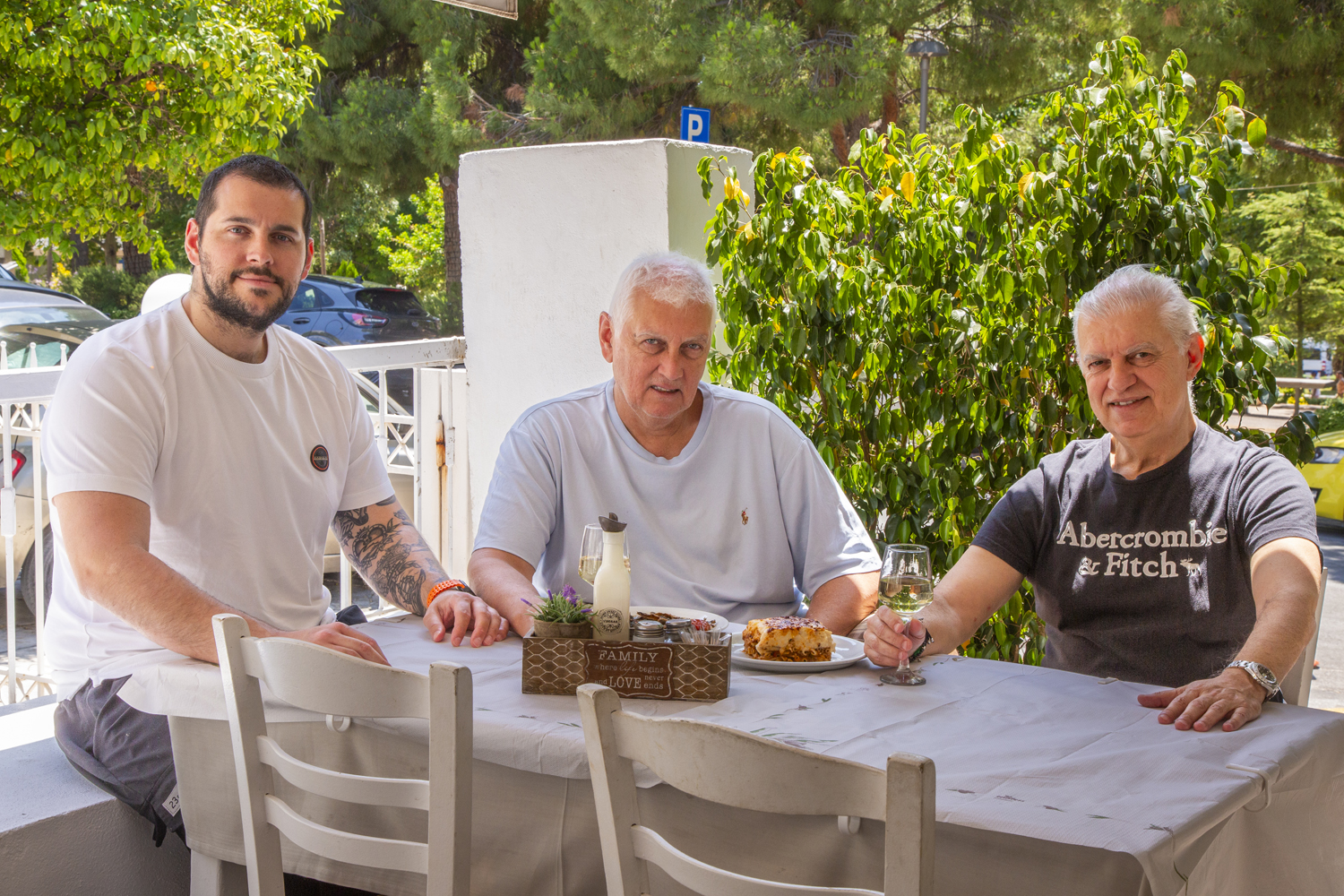
Love seems to play an essential role in his cooking too. As a chef, Christos believes the secret to a successful dish is the cook’s mindset in the moment. He believes that even if ten chefs make the exact same recipe, the outcome will differ depending on their mood. “You have to love it, to want to do it – that’s when the food turns out delicious. That expression, ‘you put love into the food,’ is true. I cook because I enjoy it. I love the smell of the food as it comes out of the oven – it gives me joy. When I first started cooking, I remember pulling a pastitsio out of the oven, and just from the smell, I thought of my other grandmother who also used to make it. I felt incredibly emotional.”
We were sitting at a corner table, and as time passed, the restaurant began to fill up. Just as the questions were wrapping up, I saw a waiter bring watermelon to a table that had just finished eating. “Can I ask you one more thing?” I said. “Why is the watermelon in tavernas always so delicious? And why watermelon, in general?” Christos laughed. “Because the best watermelon is the one you’re treated to. That little treat at the end – it’s something my father taught me. Someone comes into your place and gives you their money… you have to thank them. The watermelon means thank you. And it’s important to pick good watermelons. Both my grandma and my dad always made an effort to find the best one – to show our customers our appreciation.”