
Foxes, hedgehogs, and hawks: The wild animals living in the Southern Suburbs of Athens
Athens is not only streets, cars, and buildings. It is also the animals that live silently among us: foxes, hedgehogs, turtles, birds. To capture this other side of the city, we visited ANIMA’s Wildlife First Aid Station in Kallithea and spoke with its president, Maria Ganoti.

When we talk about wildlife, most people think of forests, mountains, and remote landscapes. Rarely do we think of the city. Yet the urban landscape around us is full of creatures that live quietly beside us: from birds nesting on rooftops to foxes wandering through neighborhoods, and from bats flying around streetlights to hedgehogs moving through parks. They are our unseen cohabitants, part of the same everyday life we seldom notice.
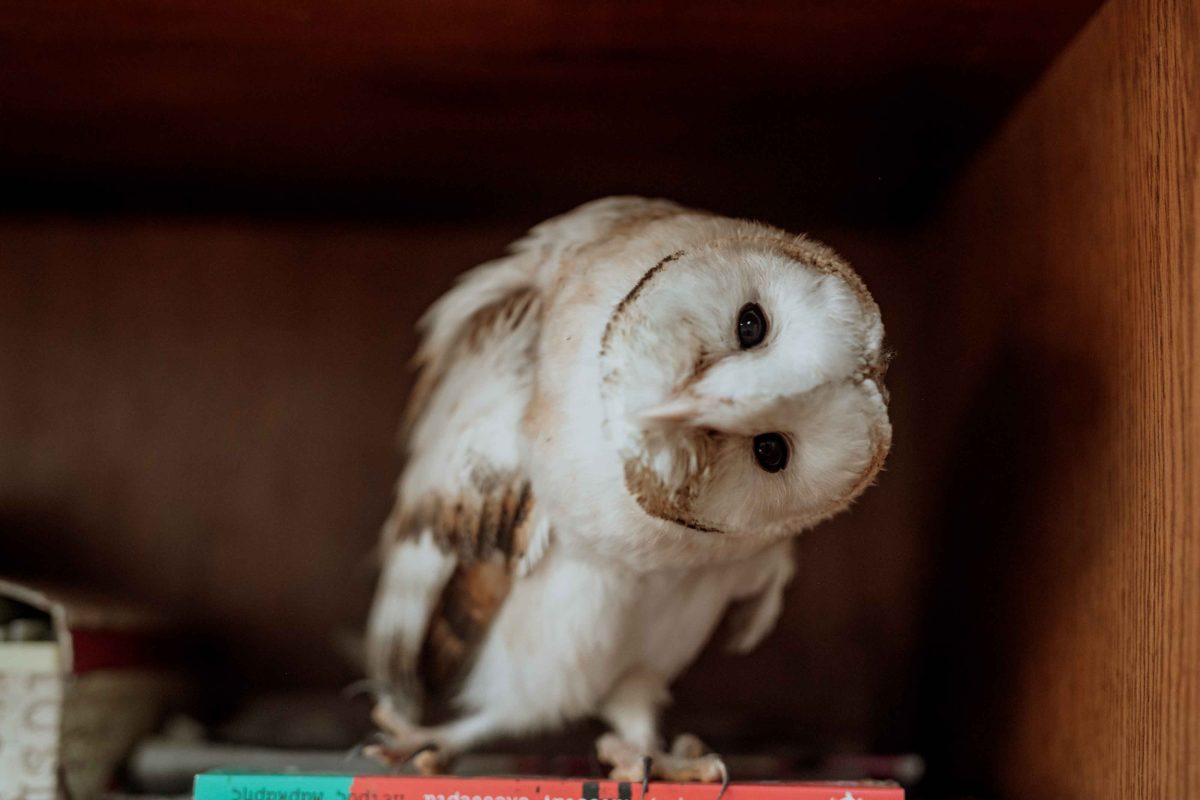
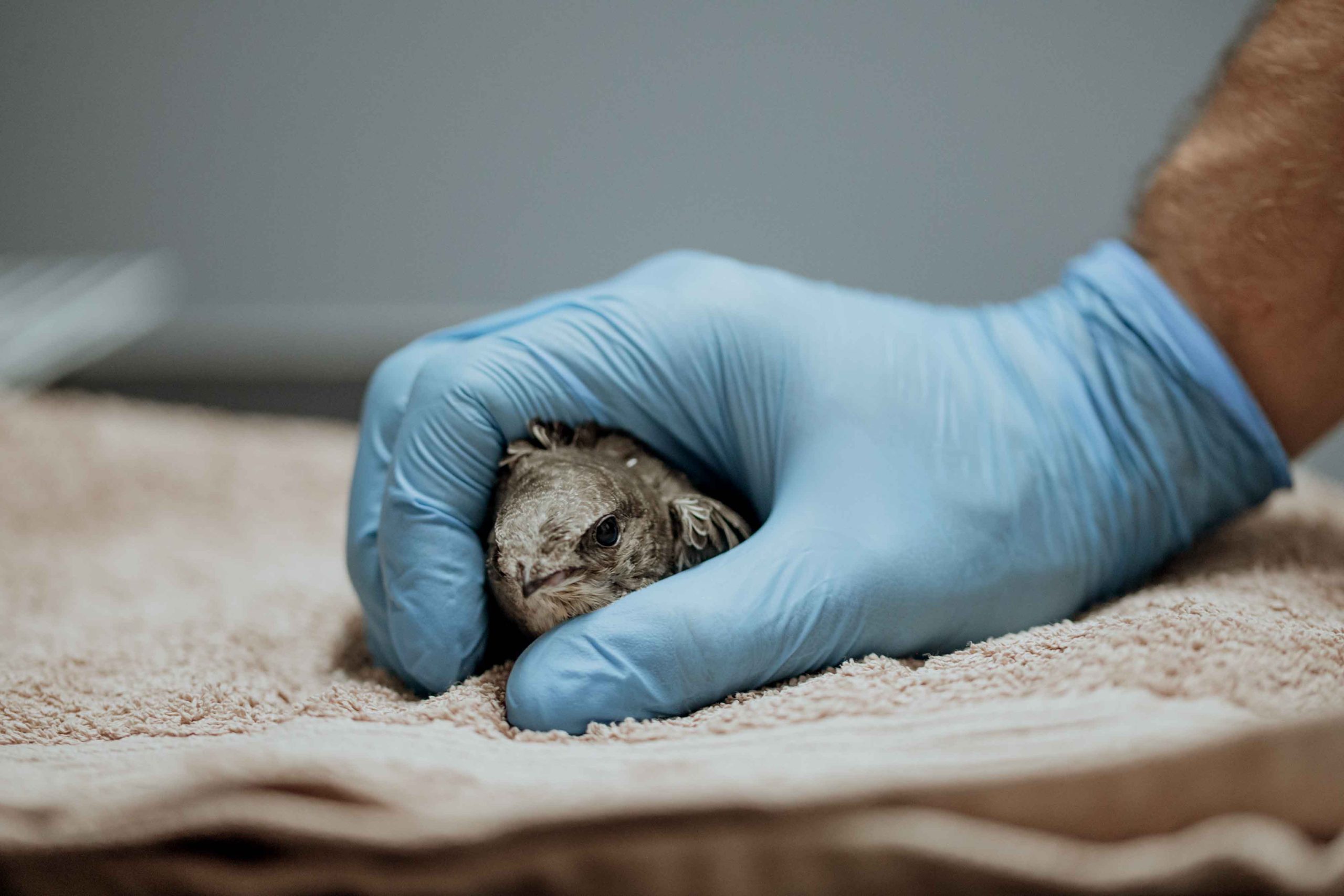
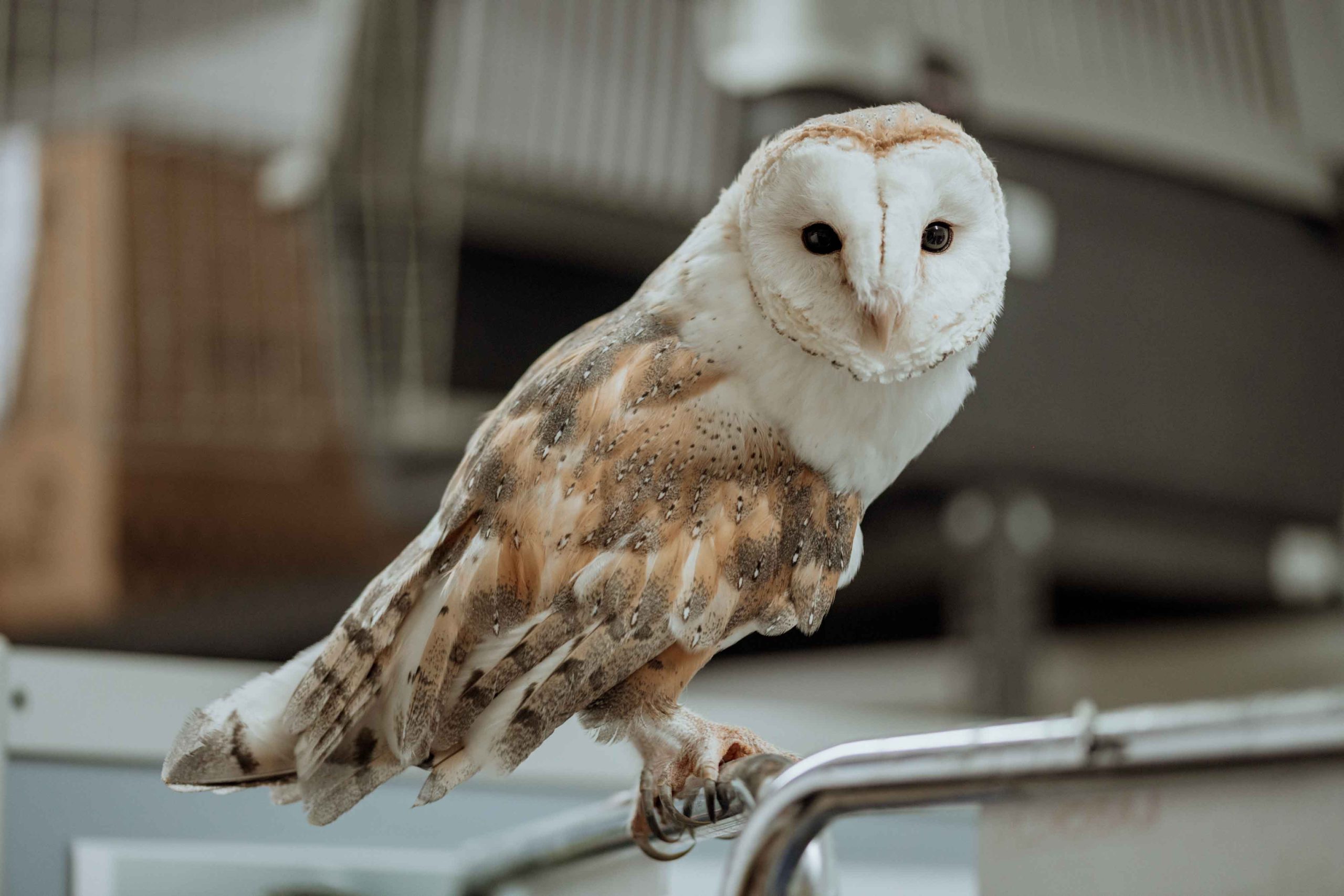
With that in mind, we visited ANIMA’s First Aid Station, run by the Hellenic Wildlife Protection and Rehabilitation Association, in Kallithea. The space feels like a small sanctuary: rows of cages with recovering birds, hedgehogs curled up in corners, and even animals that roam freely, such as two barn owls—the nocturnal, owl-like birds with their characteristic heart-shaped white faces. All of them had arrived there from different neighborhoods of Athens, reminding us that wildlife is not far away but lives all around us.
There we met Maria Ganoti, president of ANIMA, with whom we talked about this other side of the city: about the animals that have learned to survive and adapt alongside us, about how we often ignore their presence, about municipalities that remain unprepared to include wildlife in their policies, and about how much poorer our daily life becomes when we forget that we share the same space with them.
Our unseen cohabitants in the city
“There are a lot of wild animals in cities in general, and in Athens in particular,” says Maria Ganoti. “Cities provide safety because there are fewer predators, while buildings offer nesting spaces. It’s no coincidence that over 170 bird species have been recorded in Athens.” As she explains, wild animals don’t just use parks and groves but also the built environment itself: they nest on rooftops and in courtyards, slip into basements or abandoned houses, and thus manage to survive alongside us—even snakes, most of which are completely harmless to humans.
In the Southern Suburbs of Athens, this picture is even more striking, as two worlds converge: the slopes of Mount Hymettus and the streams that flow toward the sea. In the Pikrodafni stream and at the mouth of the Ilissos River, one can find kingfishers, water turtles, frogs, and many migratory birds, especially in spring and autumn. “The Pikrodafni stream is a precious corridor,” notes Ganoti, “because every year it hosts a great variety of species, even rare ones.”
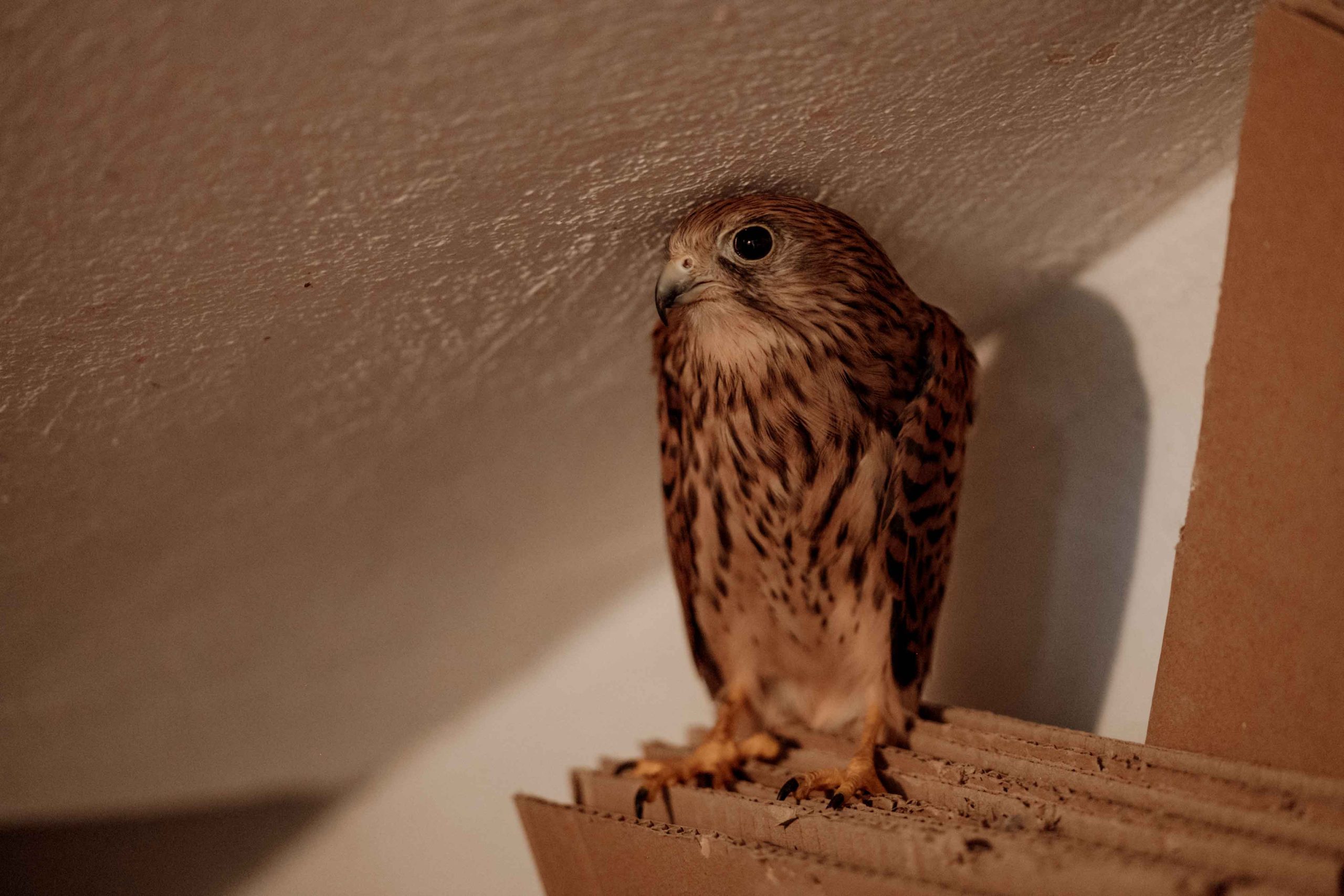
Within the neighborhoods themselves, wildlife is equally abundant. In Voula and Vari, many foxes live—so many, in fact, that, as ANIMA’s president points out, “we’re talking about a phenomenon of urbanization. There are foxes even on the Acropolis.” On the Pan Hill in Alimos, not only foxes but also hedgehogs find refuge, while in the same municipality, hoopoes and small herons are often seen falling exhausted into yards. In Ilioupoli and Argyroupoli, hawks nest on apartment buildings, fully adapted to city life.
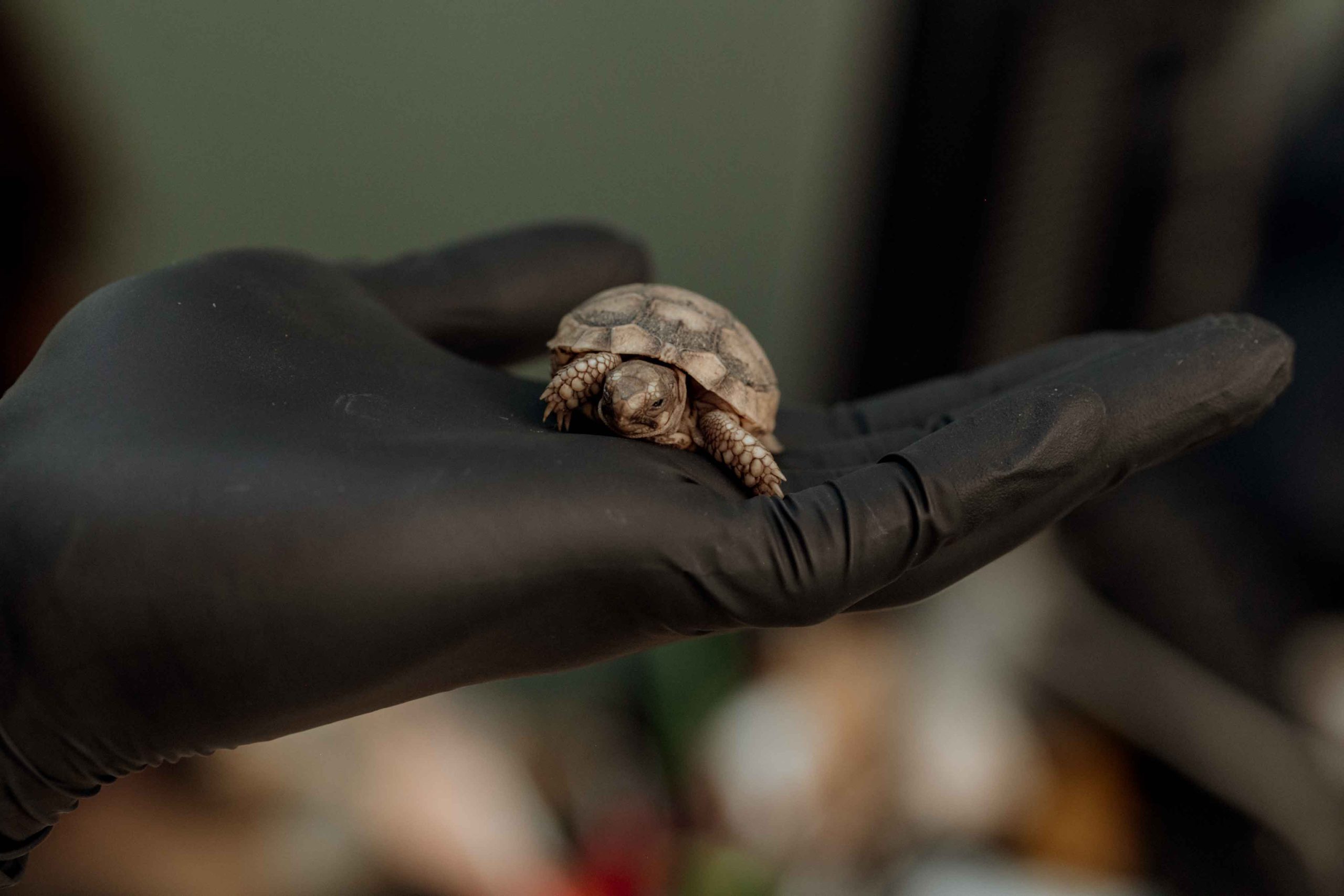
Beyond that, our more “everyday” cohabitants are swallows, swifts, and blackbirds, which build nests on rooftops. Bats fly around streetlights hunting insects, while turtles often appear in yards and parks. “These turtles,” says Ganoti, “have in most cases been placed there by people—well-intentioned, but wrong, because they remove them from their natural habitat.”
Wildlife also follows its own seasonal cycle. In summer, swallows, swifts, and small birds like goldfinches, chaffinches, and greenfinches dominate, while in winter, robins and chiffchaffs appear. “It’s wonderful to be able to recognize the animals around you,” says ANIMA’s president. “It enriches our world and makes it more beautiful.”
In recent years, new species have joined this mosaic. Gulls and magpies “now nest on the rooftops of apartment buildings not only in the coastal suburbs but even in downtown Athens. Think that in Omonia there are many gull nests,” says Ganoti. The reason, she explains, lies in our own habits: landfills and garbage within the cities provide an inexhaustible source of food. “The rocky islets of the Saronic Gulf, where they used to nest, are no longer enough. So gulls have colonized the city.”
And of course, parrots, which have gone from rare to everyday. “At first we had one species, now we have two and are heading for three,” says Ganoti. The urban legends are false—“that, for example, a truck carrying them overturned and the city filled with parrots.” Instead, their populations have established themselves in many European cities. The green parrots of Athens, which once escaped from cages, have adapted easily and feed on olives and pistachios. “A few years ago, it was extremely rare to see a parrot, and now the city is full of them,” she notes, adding that every summer many chicks that fall from their nests end up at ANIMA.
Although it doesn’t concern the southern suburbs, another animal has made its presence felt in Attica in recent years: the wild boar. It appears mainly near the northern mountain ranges of Athens, in areas like Chalandri, Ekali, and Dionysos. “Their population has increased a lot,” explains Ganoti, “because at some point they interbred with domestic pigs and began producing larger litters, even twice a year.” She also points out that their presence can be dangerous, especially when females with young feel threatened.
Why do foxes come down from the mountain into the city?
The presence of wild animals within the urban fabric can be due to several reasons. One of them is population growth: “For foxes, for example, the mountain is not enough for all of them,” explains Ganoti. She notes that foxes are extremely adaptable and intelligent animals, while at the same time, the city has expanded toward the mountain, bringing human presence closer to them. In addition, “there are many animal lovers in the city who leave food out for strays—so why wouldn’t foxes take advantage of that?”
They also find shelter in old basements or abandoned buildings, which they use as they would burrows in the wild to raise their young. Another key factor is the lack of food in nature due to drought and climate change, which have altered traditional ecosystems.
Wildlife is absent from municipal policies
Despite the presence of so many species within the city, local authorities seem to ignore this reality in their planning. “Municipalities have not at all incorporated the fact that there is wildlife in the city into their policies. They are completely unaware of it,” says Maria Ganoti, citing as an example the pruning of trees, which often takes place in spring—the very season when nests are full of chicks.
As she explains, municipalities tend to consider “urban fauna” as referring only to companion animals: dogs and cats. “They don’t even consider as urban fauna the domestic ducks, chickens, or even hamsters that people throw into the trash—animals that we end up having to collect,” she notes. “For most municipalities, the city consists of greenery, dogs, and cats.”
She also highlights issues in green-space management. There is, she says, a trend toward excessive clearing of vegetation out of fear of fires—something that, when done during the flowering season, deprives insects like bees and butterflies of food and shelter. “Abroad, they leave patches of flowers in parks so pollinators can gather. There are strict rules about when and how much a tree can be pruned. Here, you often see only a stump left behind,” she says.
Maria Ganoti believes municipalities need better information and collaboration with specialists so they know when and how to intervene. “I keep hoping that one municipality will say, ‘come tell us what can be done.’ So far, none have. Only we have approached them.”
She stresses that the presence of wildlife is not only an environmental issue but one that directly affects our well-being. “What I’m saying is not romantic. It’s proven through psychometric studies. Our everyday life is better when we see life around us—when we hear blackbirds and other birds in the morning, when we walk down streets lined with green trees.”
Municipal authorities, she adds, “must realize how important it is for their residents that these animals remain in the city and must work to ensure there are more birds, butterflies, and bees around us. To achieve this, they can seek advice from experts who can show them how to enhance biodiversity.”
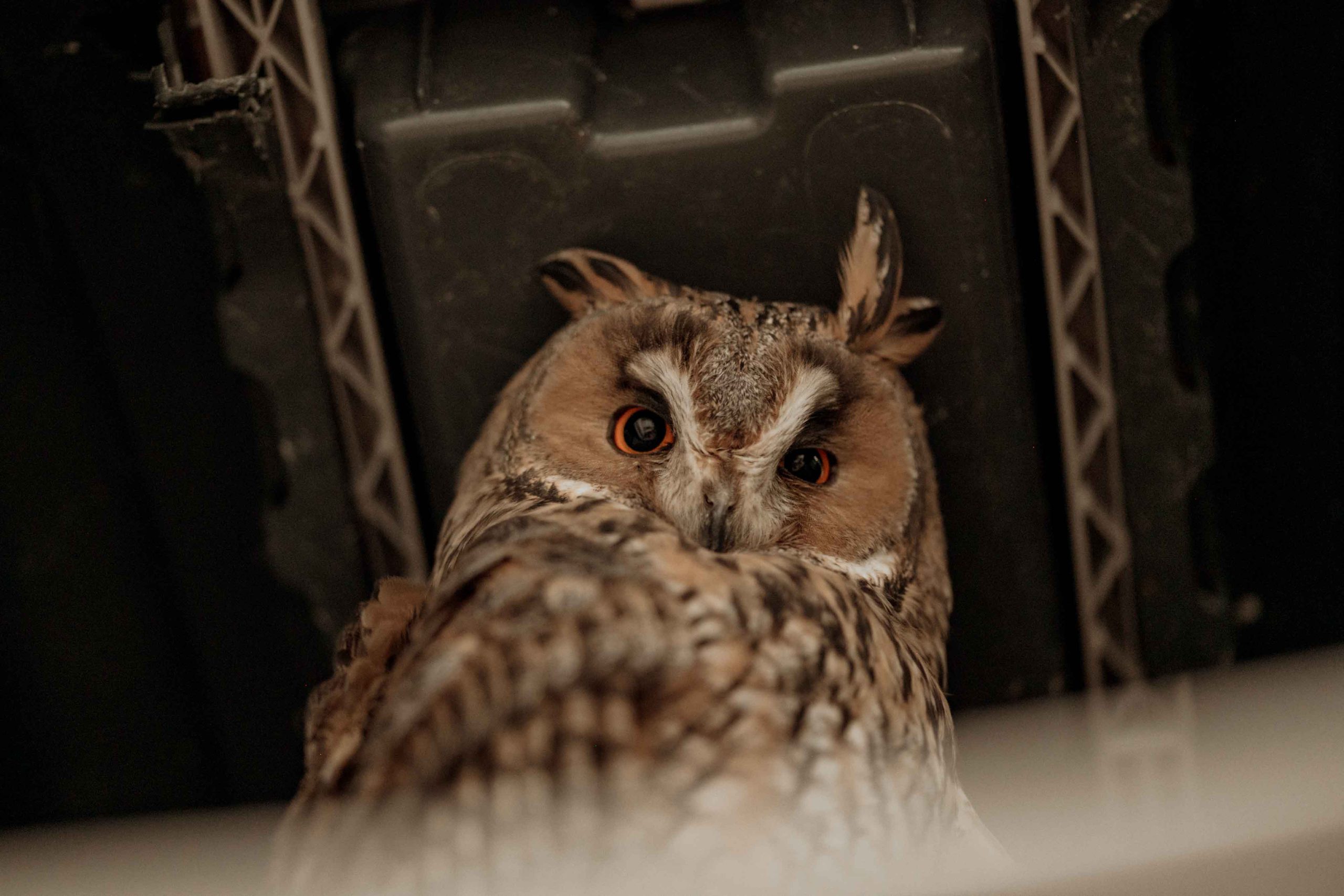
Our mistakes in dealing with wildlife
Ganoti emphasizes the frequent mistakes people make when encountering animals in the city. One of them involves swallow nests: “One of our great frustrations is that people go and destroy swallow nests because they dirty the balcony. I call this a perversion—a perversion of the traditional relationship humans had with swallows, which they loved and welcomed when they arrived.” As she explains, there are simple ways to prevent the mess without destroying the nests.
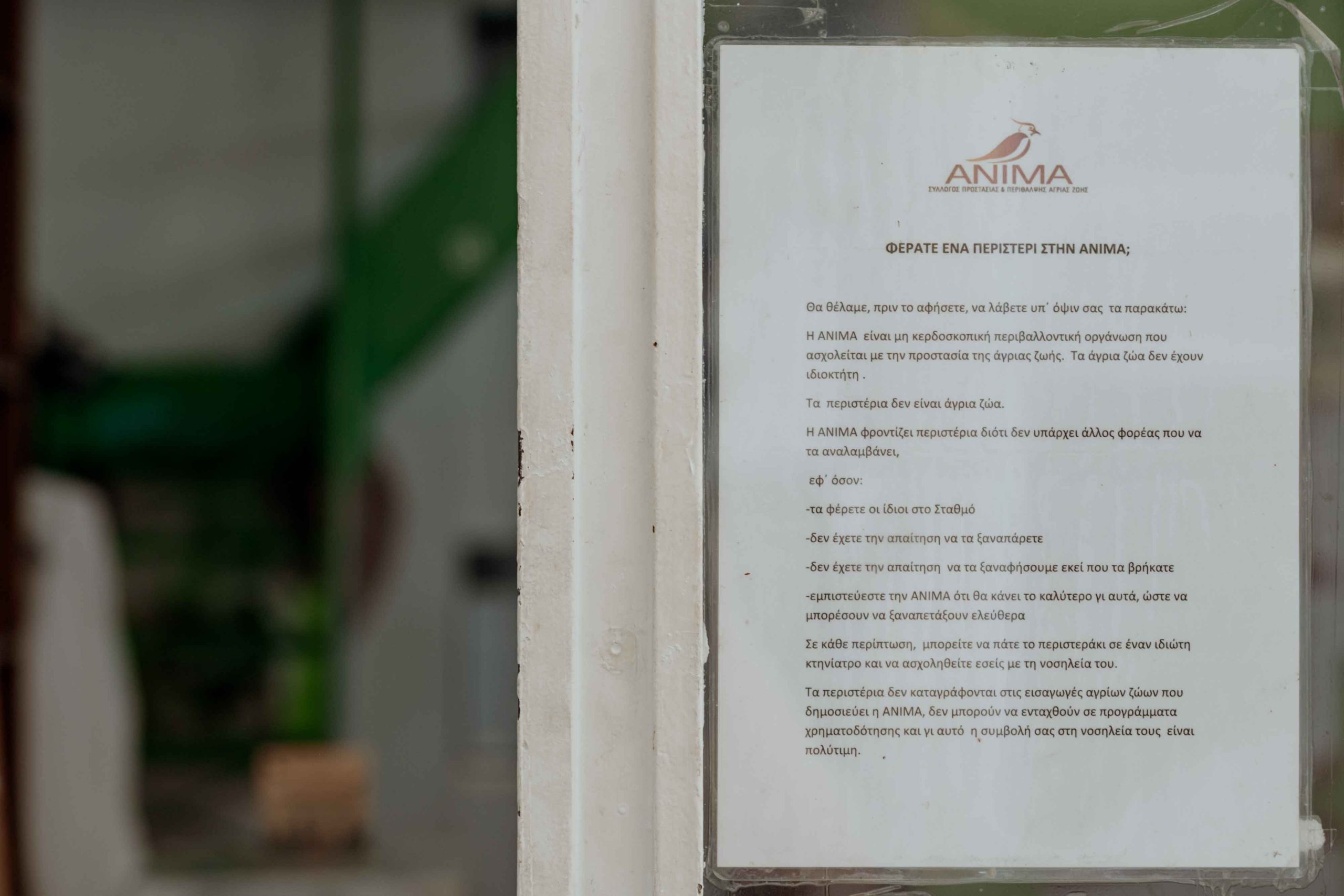
Many people also panic when they see an animal, expecting someone “in charge” to come remove it. “People left their villages for the city and assumed they left behind everything related to nature. When they see something that belongs to that world, they feel insecure. These are psychological issues,” notes Ganoti. ANIMA’s goal, she says, is to help citizens reconcile with the presence of wildlife and become part of the solution: to know, for instance, how to safely transport an injured bird to the first aid station. “What we need to understand is that wildlife lives alongside us and, with very few exceptions, we have nothing to fear.”
People are often particularly afraid of snakes, several of which appear in the southern suburbs. “Authorities often call us because they’ve seen a four-lined snake or a tree snake—completely harmless animals,” says Ganoti. She stresses that snakes don’t move around much and often stay in the same area for many years. “If you see a two-meter-long snake, it may have lived there for 15 years. It may have accidentally come out, maybe it got scared. People see it and chaos breaks out!”
Education is therefore needed so that everyone can distinguish the viper—which is indeed dangerous—from all the other harmless species. “This fear is deeply rooted within us, passed down from generation to generation, which is why it’s hard to eradicate.” There are also many lizards in the city, all completely harmless.
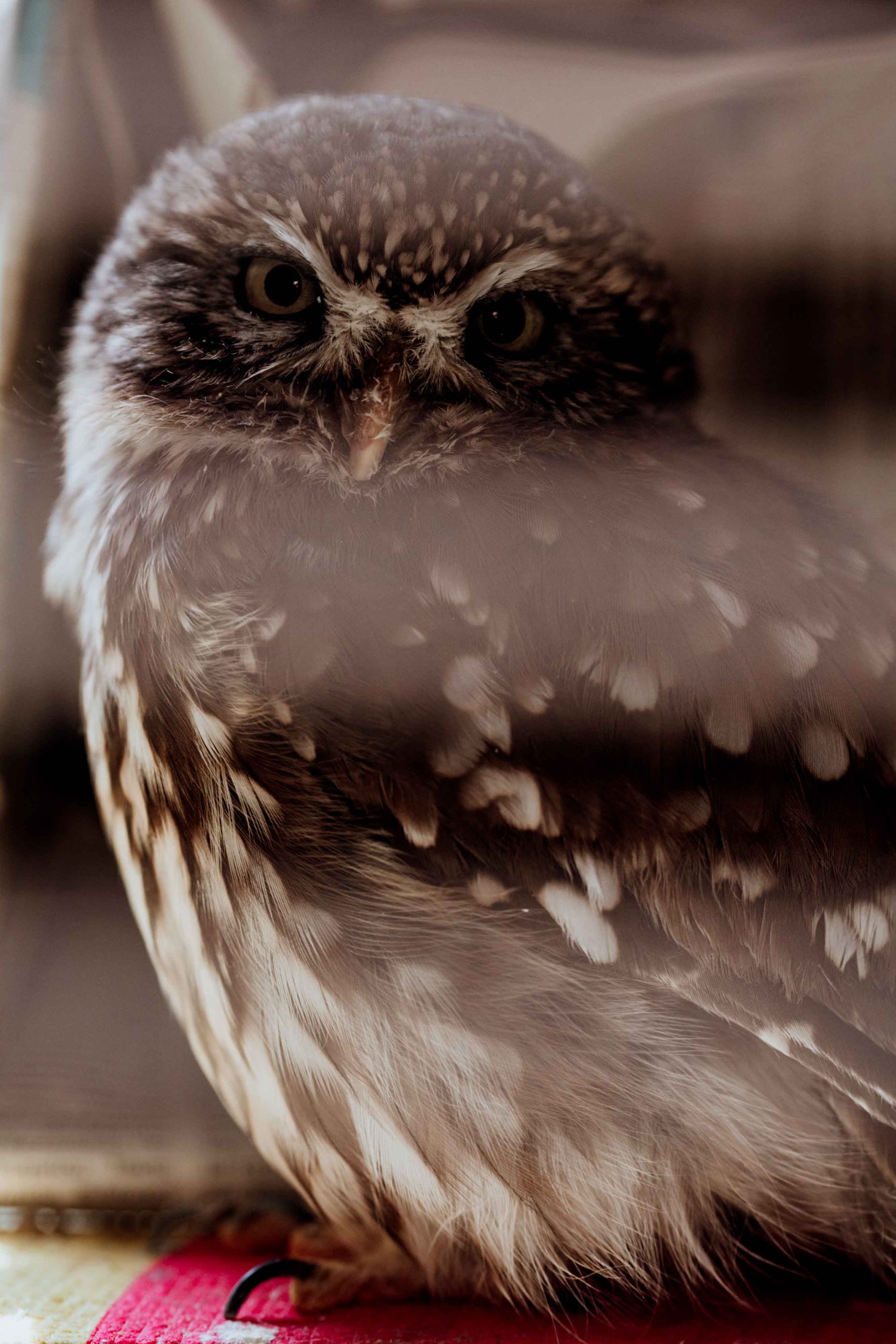
Ultimately, the presence of all these animals is more than natural—it is a sign of health for the urban environment itself. “Generally, when an ecosystem has great diversity, it means it’s healthy. If it doesn’t, it means it’s highly polluted. So having many animals around us is a sign of health.”
What to do if you find an injured or orphaned animal
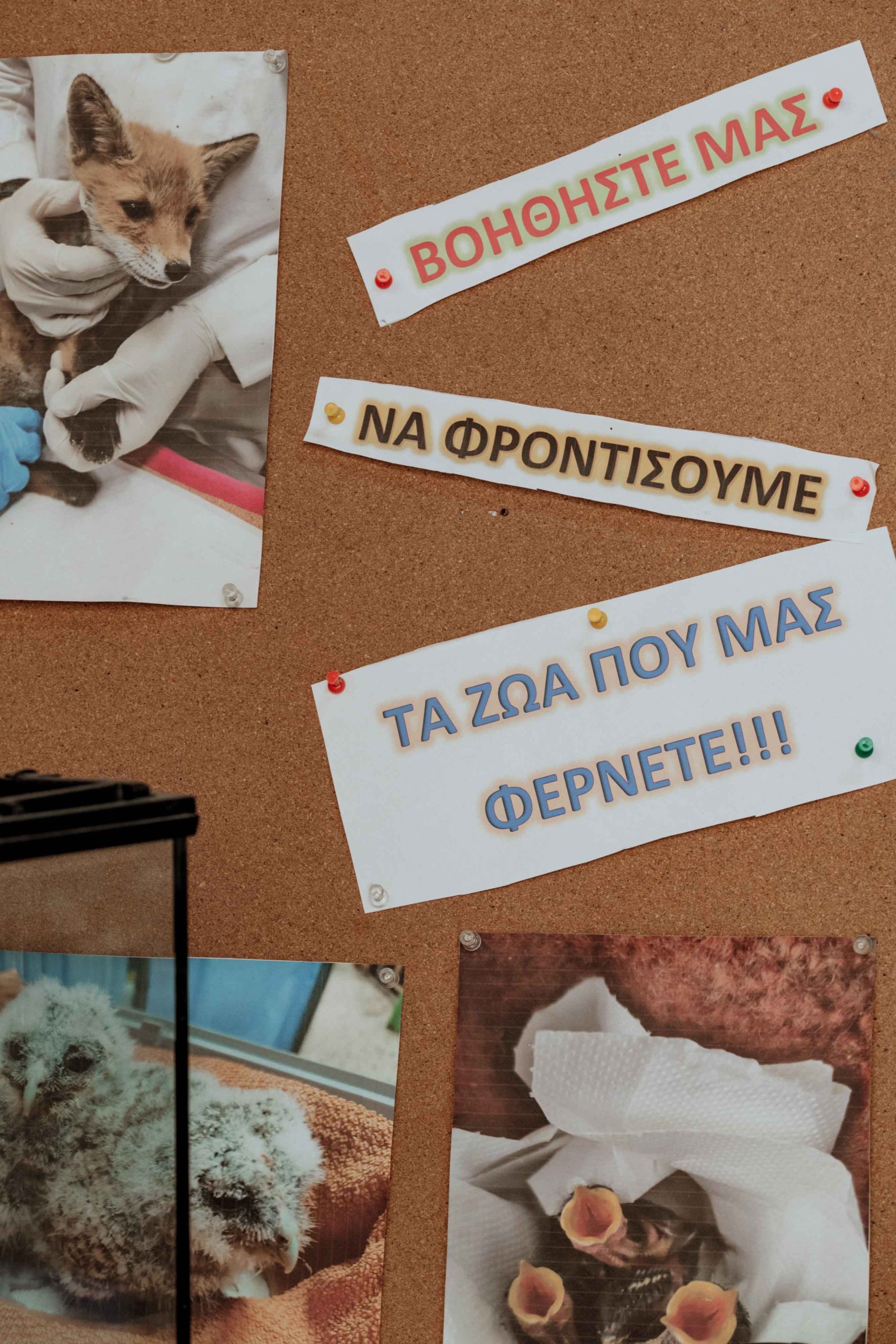
If you find an animal, your first step is to call ANIMA. They will answer immediately, ask you to describe what you found, where you are, and usually to send a photo. This allows the organization’s team to give you the right instructions on what to do until the animal reaches them.
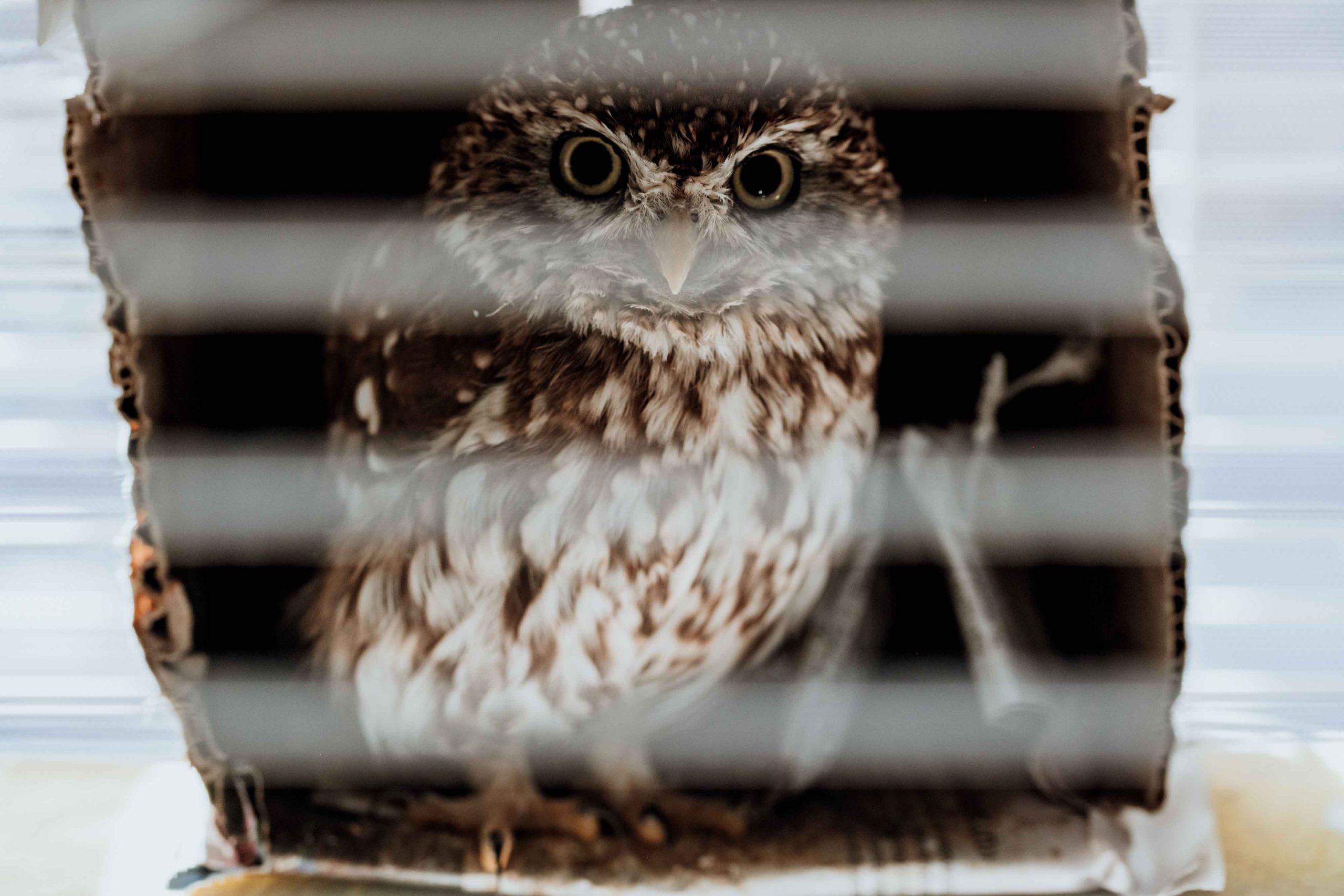
In any case, the first step is not to offer food. As Ganoti explains, if you find, for example, a bird that has hit a window or wall, it doesn’t need food right then. What really helps is placing it in a dark cardboard box (not a birdcage), with air holes and paper, a towel, or newspaper for bedding so it can calm down. Our priority should be quiet and maybe a little water—for example, a few drops on the bird’s beak.
If you find a fox, handling is more complex. As Ganoti explains, if it’s injured, ANIMA staff usually go on-site to help. Often the calls concern sick foxes with mange—quite common incidents in the southern suburbs. But if the animal is lively, running and jumping, it cannot be caught. If it regularly approaches a spot to feed, experts can safely guide you, giving instructions and precise dosages to place medicine in the food.
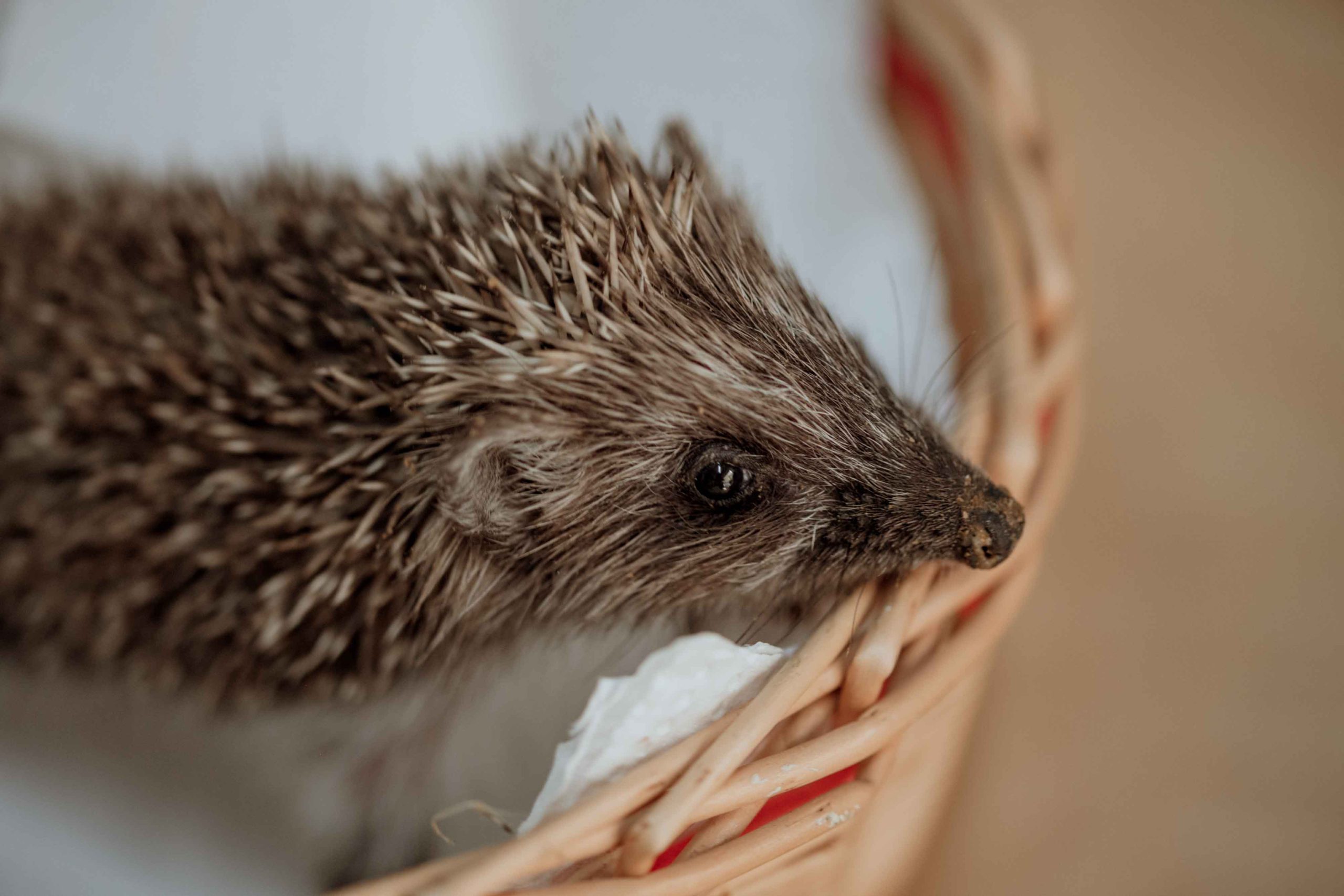
Hedgehogs with mange also frequently arrive at ANIMA. Depending on the case and age, the team advises citizens on what to do: sometimes, if it’s not serious, it’s enough to leave the animal where it was found. Similarly, turtles often end up trapped in yards and gardens, where they sometimes multiply. But that’s not their natural environment. As Ganoti stresses, turtles should be returned to nature. If someone finds turtles in their garden, they can collect and relocate them to a countryside area or the wild—especially now, during the rainy season until November, when the soil is ideal. That way, the animal can continue its life in the right ecosystem.
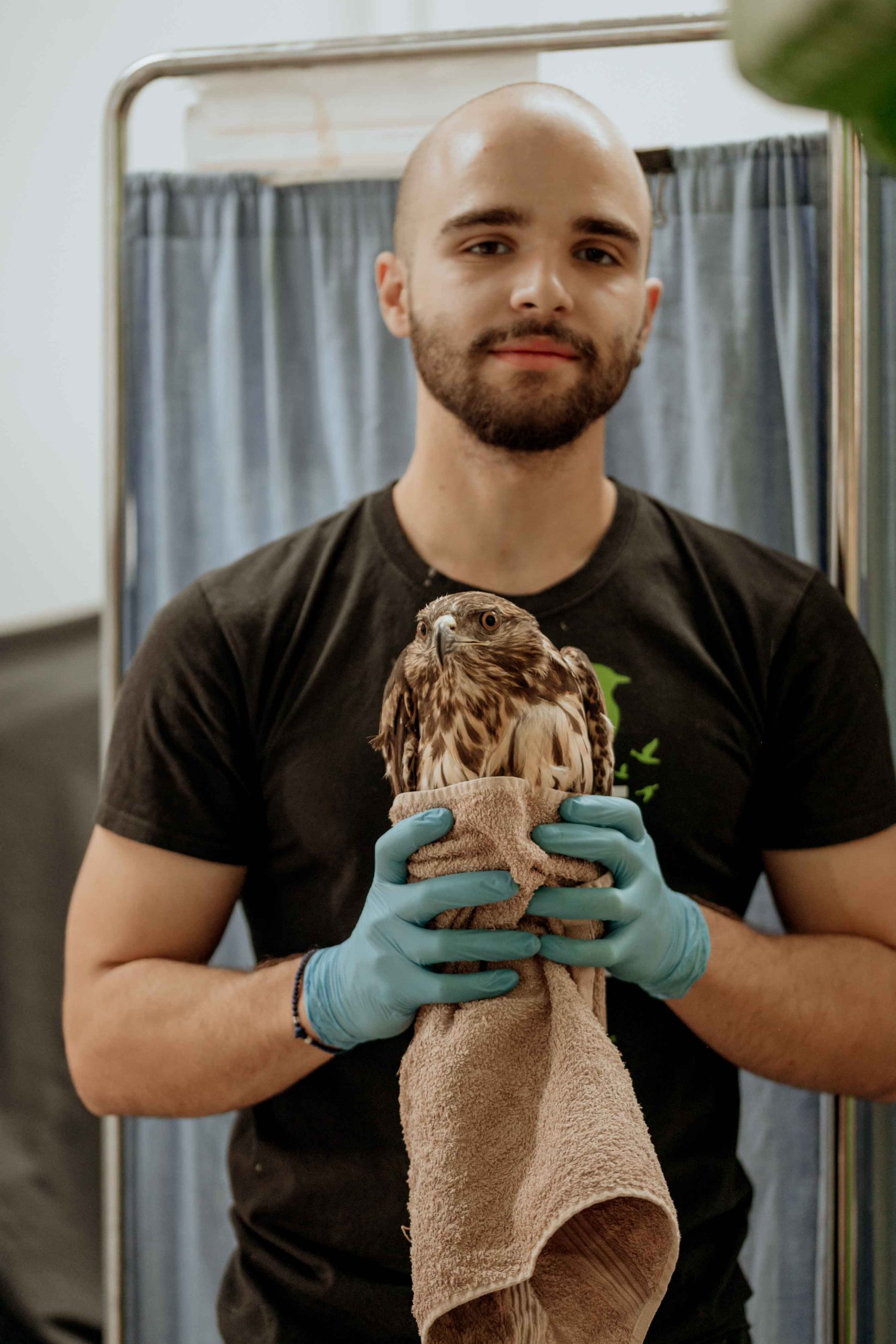
Nature reborn even after fire
The wildfires that strike Greece every summer—and have also marked parts of Southeast Attica, such as this year in the Municipality of Saronikos or three years ago in the Panorama area of Voula—have a direct impact on wildlife. “In such cases, the biggest issue is with turtles. They come to us burned. These are difficult cases.”
But nature has an impressive ability to recover, even if it means that balances shift: “A burned area, with the first rain, sprouts grass. Turtles can live there easily. When large trees are gone, the animals that lived there change. There may be fewer birds, but species that benefit from grass or can hunt better in open space may appear.”
With thirty years of experience in the treatment and rehabilitation of wild animals, Maria Ganoti considers wildfires “tragic more for people than for nature.” Nature, she insists, “if you leave it alone, will be reborn.”
The presence of wildlife in the city is not an exception but the rule. Animals adapt, find ways to live alongside us, and make use of the spaces we create. Whether we ignore them, fear them, or learn to coexist with them is a matter of awareness, attitude, and choice. As ANIMA’s president says, the most important thing is not to destroy what already exists. Because every tree, every nest, every small animal we encounter around us is a sign of a city that is healthier, more humane, and ultimately more alive.