
How much does a newly built property cost in the southern suburbs of Athens
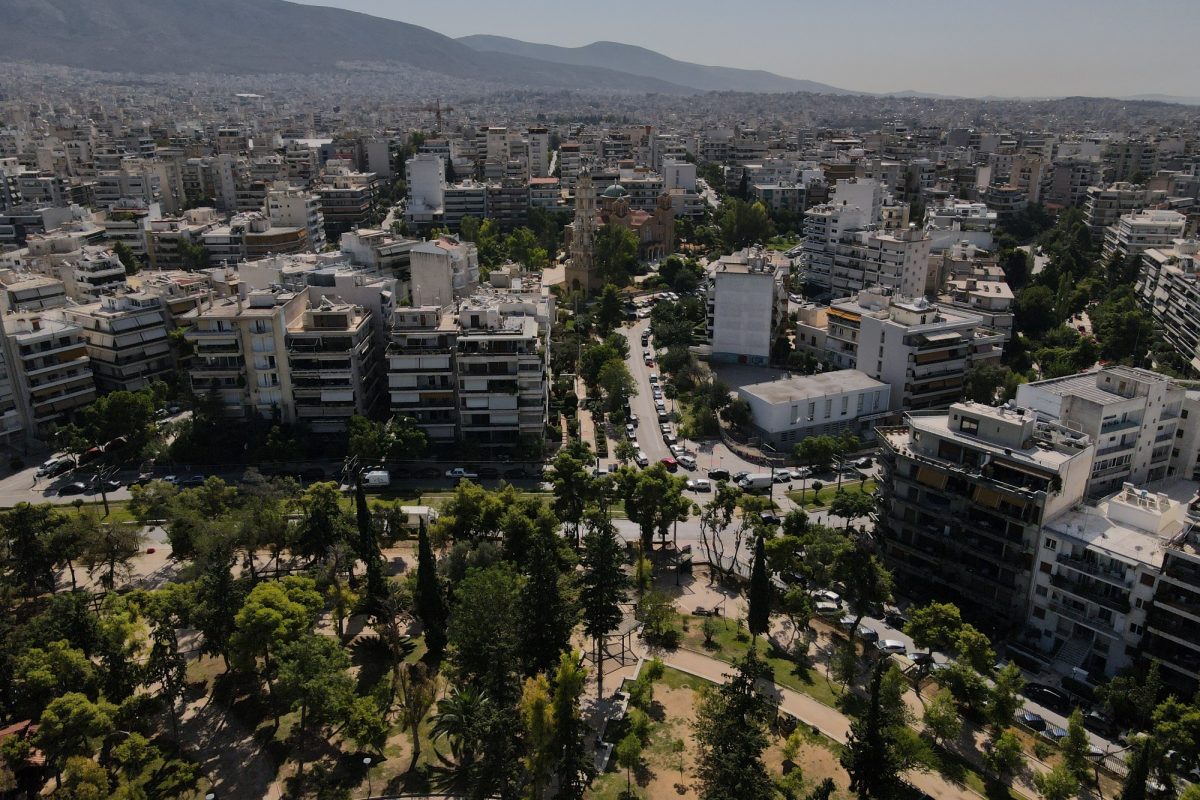
How much has the cost of a newly built property in the southern suburbs of Athens really changed? High demand, limited availability of plots, and the upward trend in prices are shaping a new landscape in the domestic market.

The Southern Suburbs of Athens continue to be one of the most dynamic real estate markets in Attica. The area attracts new residents, investors, and developers, creating an environment where demand remains consistently high and prices continue their upward trajectory, making most areas increasingly unaffordable for middle-income households.
From Glyfada and Voula to Palaio Faliro and Alimos, the market clearly shows that the southern suburbs have become the El Dorado of real estate, with prices now having soared and the availability of new spaces remaining limited, according to what real estate market executives told NouPou.
High demand – including from foreign buyers
According to recent data from the real estate platform Prosperty, Attica currently has more than 131,000 residential listings for sale in total, with the Southern Suburbs of Athens accounting for 18%, corresponding to more than 23,000 properties. Despite the significant supply of newly built housing stock, absorption remains strong. Quality homes, especially in prime areas close to the sea, change hands very quickly, while premium real estate—properties of high construction quality and correspondingly high prices—continues to record steady growth. A large share of interested buyers are also foreign, who view the Athens Riviera either as an investment opportunity or as a location for a second home, as market professionals point out.
The strong growth of newly built properties
It is also telling that over the past five years, from 2020 through 2025, the Southern Suburbs of Athens have consistently ranked among the top areas in terms of new housing development, a fact attributed to the increased interest and demand for new properties in these areas. Locations such as Glyfada and Voula record some of the highest numbers of newly built properties. Despite rising prices, newly built homes do exist and continue to enter the market; however, they mainly involve smaller or more expensive developments and are aimed at buyers with higher available capital. The overall picture shows that the southern suburbs have entered a period of intense upward price pressure, largely due to proximity to the sea, upgraded infrastructure, and investor interest, making access to newly built homes increasingly difficult for the average household.
Limited availability of plots
Another point that emerges, among others, from Prosperty’s data is that there are 7,899 unique plots in the Southern Suburbs of Athens, with an average size of 586 square meters. Of the total number of plots in the southern suburbs, only 832 exceed 1,000 square meters in area. This means that the stock of available open land for the construction of new developments has decreased, making these areas even more sought after and at the same time contributing to further price increases.
Sale prices for newly built properties
According to data from well-known listing platforms such as Spitogatos, Indomio, and Spiti24, the average asking purchase price in the southern suburbs is now close to €4,000 per square meter, while in popular areas of the south such as Palaio Faliro, Glyfada, and Voula, prices frequently exceed €4,500 and can reach or even surpass €6,000 or €7,000 per square meter for newly built, high-specification properties.
Prices of newly built homes in the southern suburbs of Athens
| Area | Average asking price (€/sq m) | Newly built properties |
|---|---|---|
| Voula | 7,274 | 699 |
| Glyfada | 6,398 | 1,392 |
| Alimos | 5,129 | 596 |
| Palaio Faliro | 4,422 | 594 |
| Ilioupoli | 3,915 | 395 |
| Kallithea | 3,415 | 436 |
| Nea Smyrni | 3,604 | 293 |
| Agios Dimitrios | 2,887 | 394 |
The reasons behind the increase in demand in recent years in Greece
It is an indisputable fact that demand for housing in Greece has recorded a strong increase in recent years, the result of deep social and economic changes that are radically reshaping the way citizens approach housing, whether for rent or purchase. One of the key factors is the steady decline in homeownership compared to previous years. At the same time, the younger generation, burdened by high maintenance costs and economic uncertainty, increasingly opts for renting.
In addition, the rise in the student population, combined with the lack of a sufficient number of student residences, has driven up demand for student housing in major cities. A shift in the culture of younger people, who delay starting a family and seek independence, further strengthens the need for autonomous housing. As a result, many people act as individual units, leading to more properties being occupied by single individuals rather than families.
Urbanization remains a strong trend, with more and more people moving to large urban centers, increasing demand for modern housing. At the same time, difficulty in accessing mortgage loans—where in many cases a high level of own capital is required relative to the value of the property—limits purchasing power, pushing more people toward renting as a solution.