
4A: The Armenian restaurant in Nea Smyrni serving authentic, homemade flavors
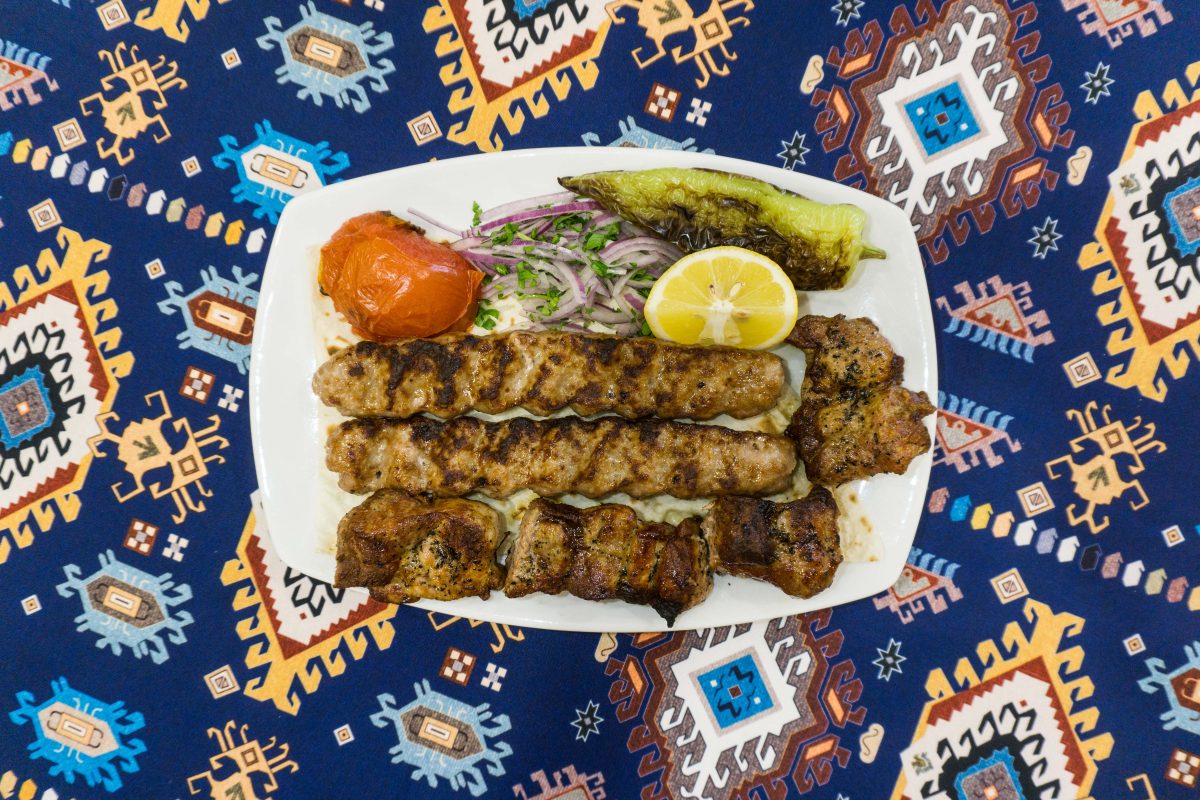
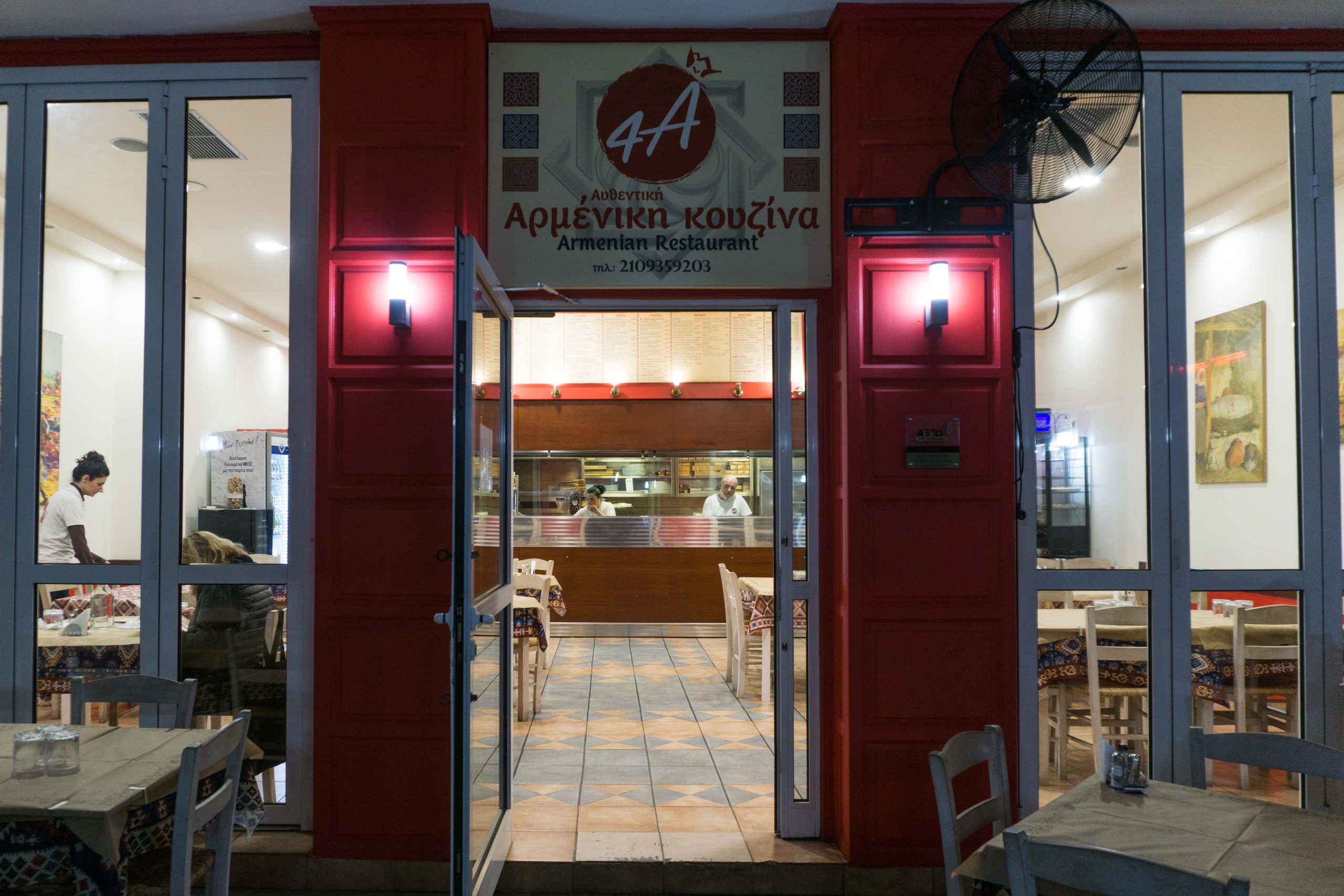
4A in Nea Smyrni is one of the few restaurants in Athens serving authentic Armenian cuisine. Since 2015, the Klnjyan family has been cooking traditional recipes, bringing the flavors of Yerevan to the Southern Suburbs of Athens.
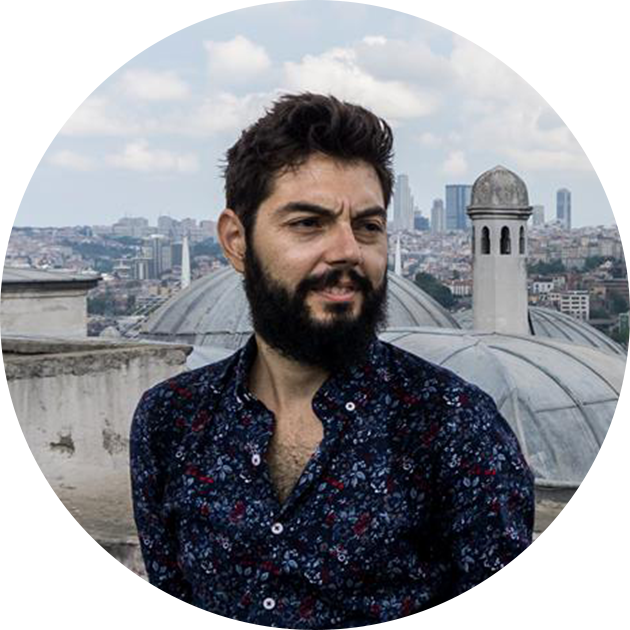
(The article is best read with this music in the background: Silva Hakobyan – Asem Chasem)
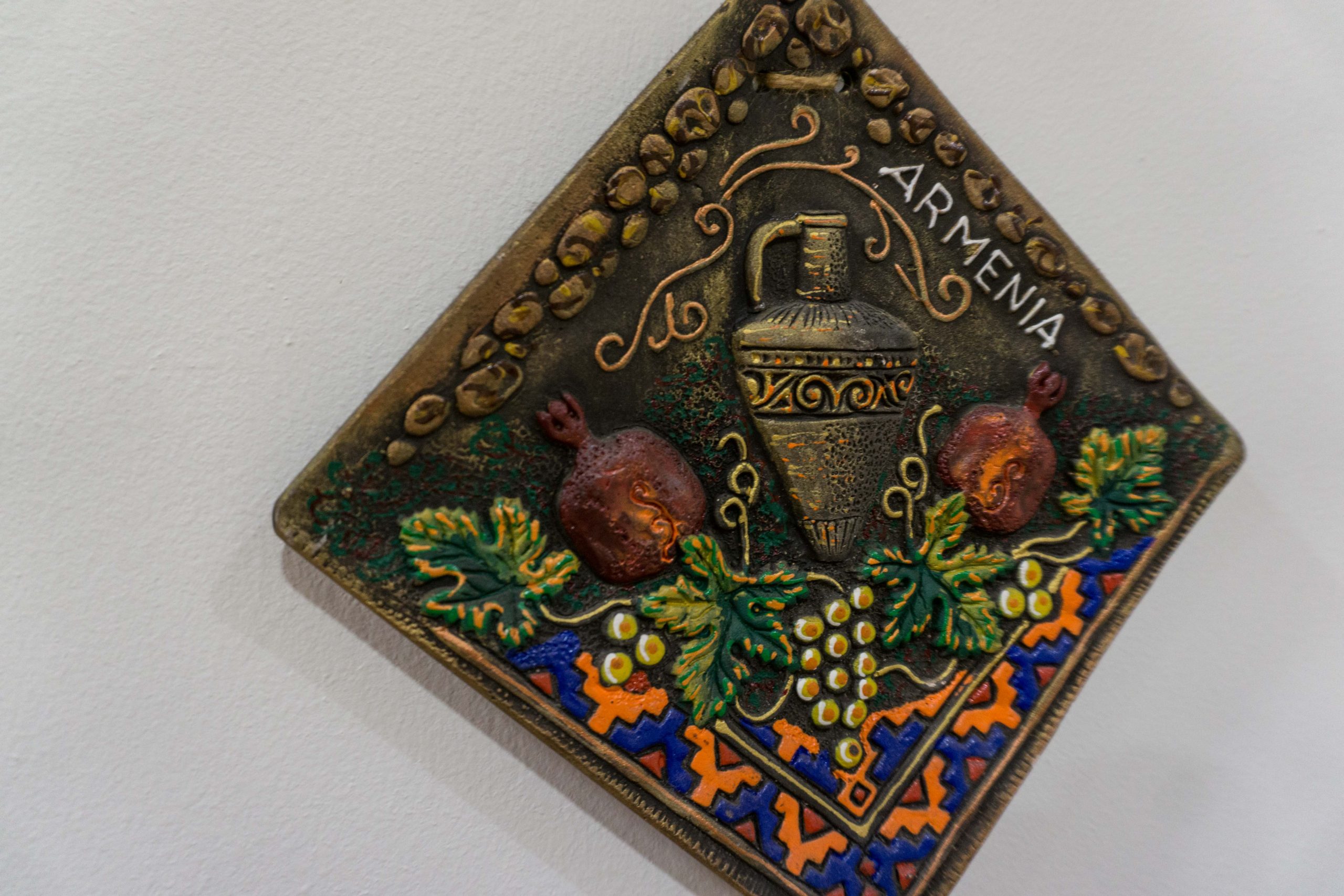
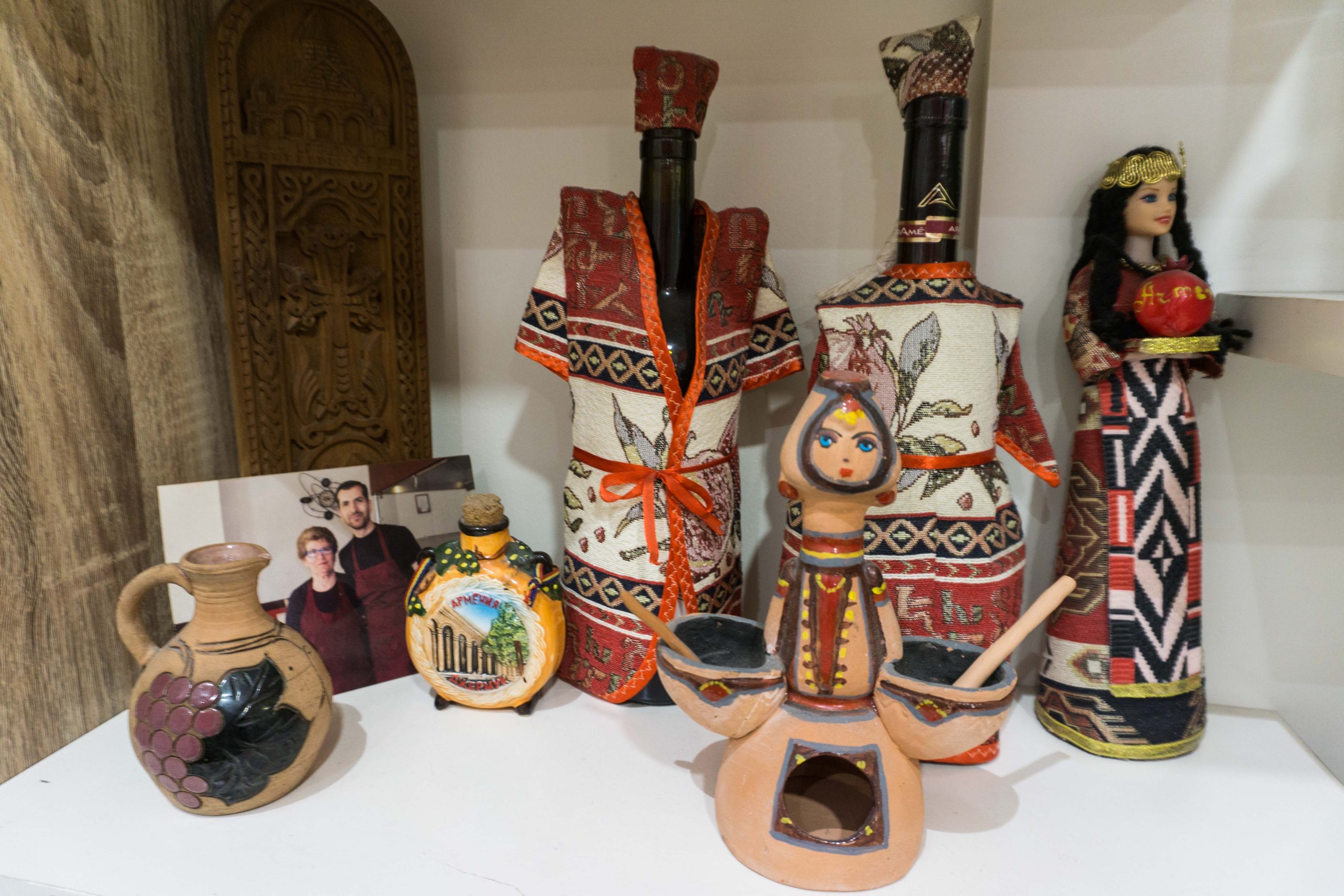
The music playing through the speakers mentally transports you to Yerevan, the beautiful capital of Armenia—a city that has been through hardship, yet shows remarkable resilience, something that seems to have been passed on to its people. On the walls hang paintings depicting scenes from Armenian daily life. Two women are baking traditional lavash bread in an underground oven, while men in traditional dress dance the yarkhushta, a war dance—a ritual performed by men before battle to boost morale, shake off fear, and mentally prepare for confrontation.
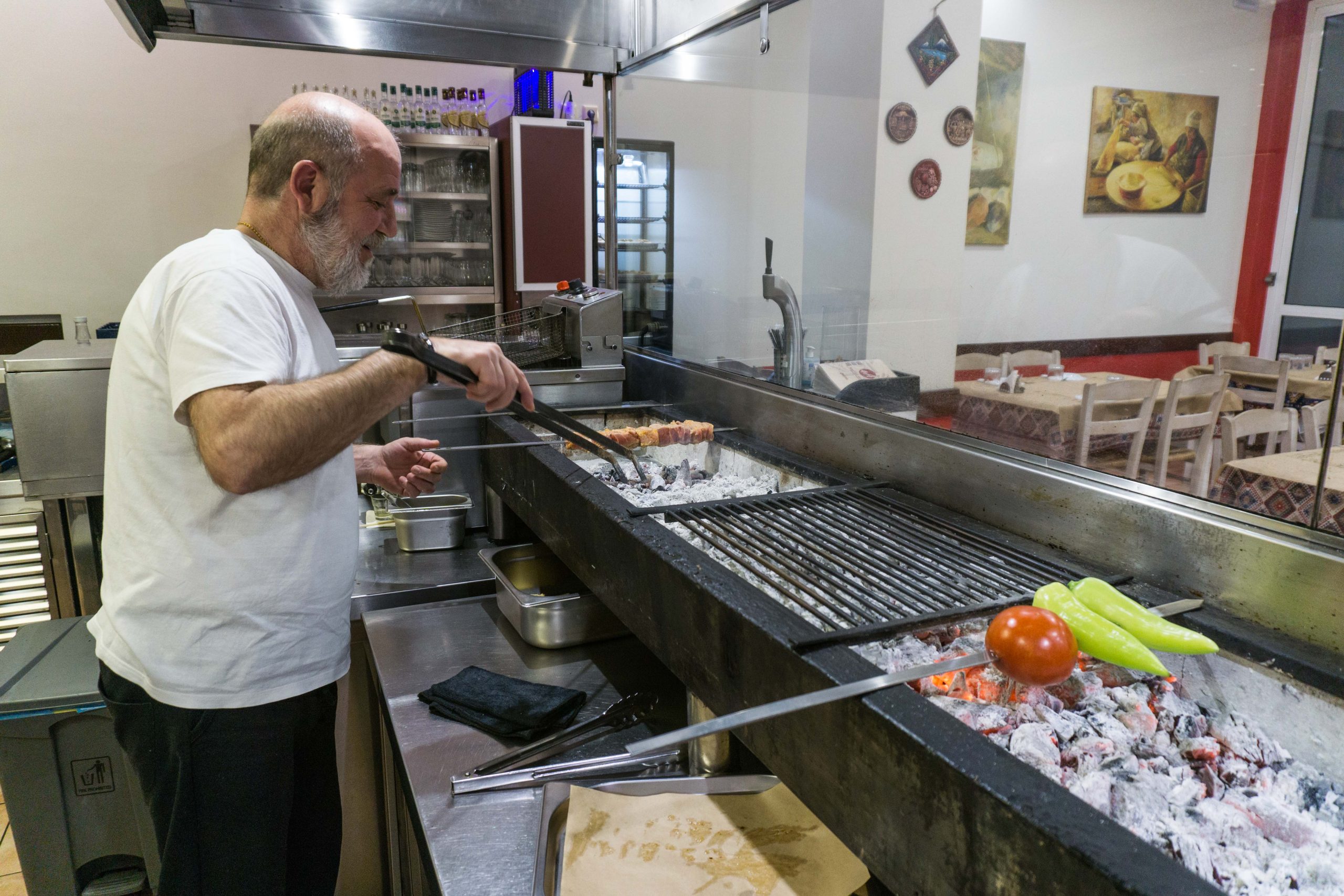
At the same time, the charcoal grill at the center of the restaurant has already been lit since early on, and the meat sizzling over it, releasing its juices, fills the entire space with aroma. 4A in Nea Smyrni is not a typical restaurant. It is a spot with authentic Armenian cuisine that is hard to find elsewhere in Athens.
Behind the counter stands Hakob Klnjyan, who occasionally also takes on the role of grill master. Today, one of his cousins is at the grill, another cousin is at the entrance, while in the kitchen his mother cooks alongside two other women—also relatives. In this place, the concept of a family business takes on its true meaning, as every corner is filled with the care and passion of people who treat it as their own home.
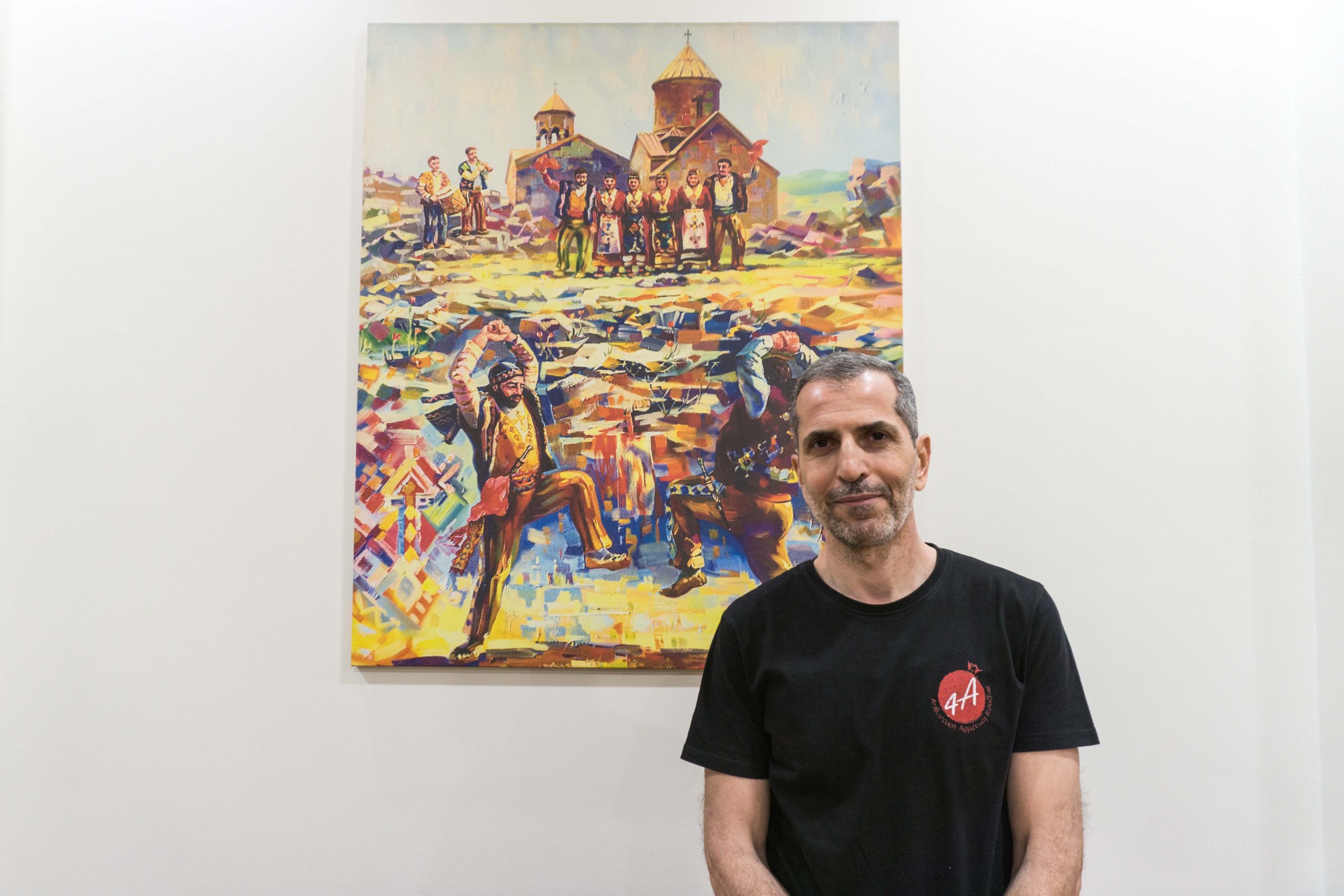
4A is located at 41 Artakis Street in Ano Nea Smyrni—almost on the border with Agios Dimitrios—and has been introducing the flavors of Armenian cuisine to residents of the Southern Suburbs of Athens since 2015. Even though I live just 10 minutes away, this is my first time visiting. As Hakob explains, the name 4A comes from the names Azantoui, Anna, Anoush, and Ani. “The four women in my life: my mother, my wife, and my two daughters. So 4A is very important to me.”
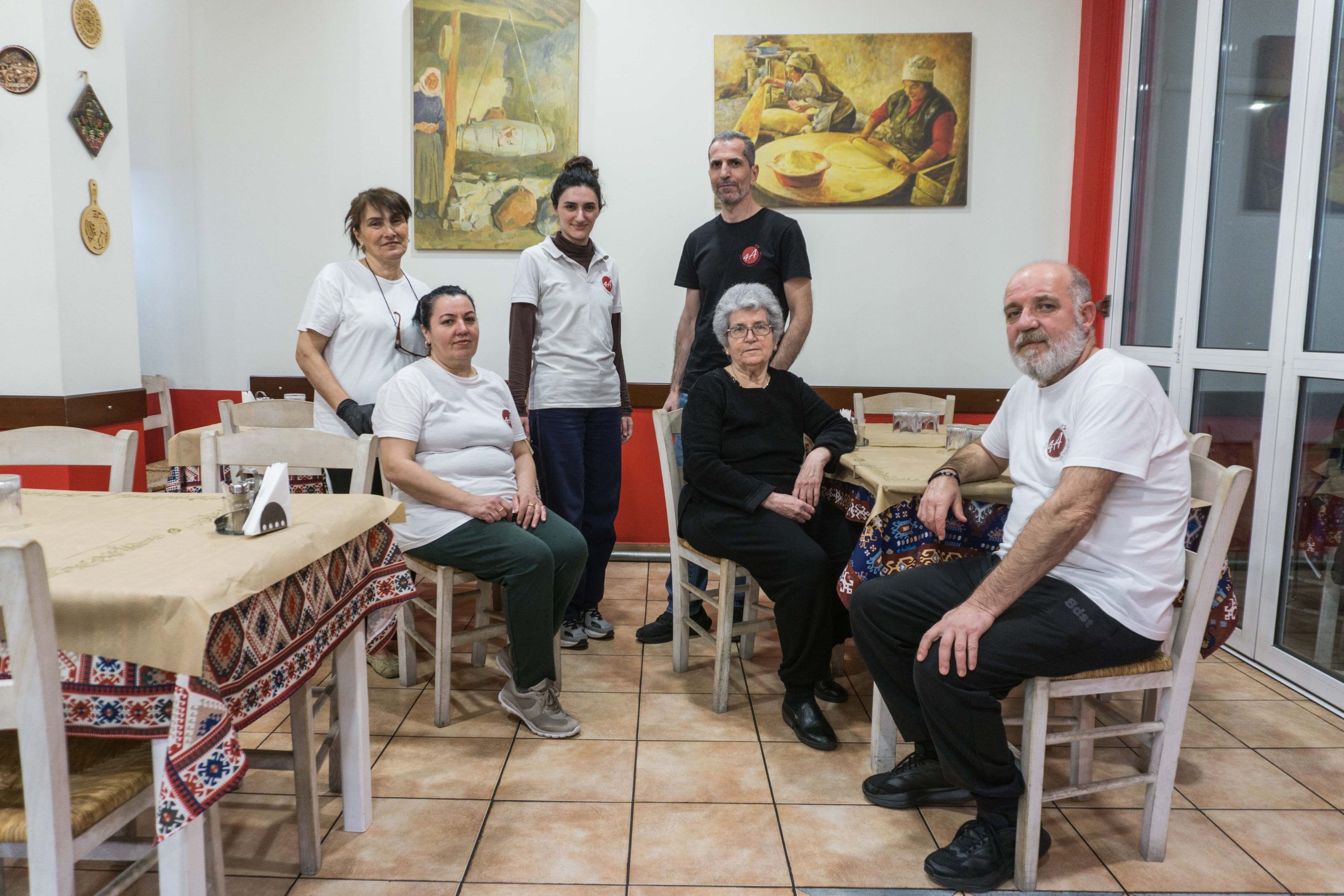
Hakob—whose name translates to Iakovos in Greek—came to Athens at just 17 years old. Today, he is 48. A whole lifetime. “Back then, the war between Armenia and Azerbaijan had just ended and there were economic difficulties. I didn’t come to stay permanently. I came for two or three years, but life turned out differently and I stayed. I got married, had children. It’s been more than thirty years now. I’ve spent more years here than there,” he tells NouPou.
When he first arrived in Greece, he was hosted by his aunts and didn’t speak any Greek at all. The only phrase he knew was “grandma, give me money,” something he had learned as a child to say to his grandmother on his mother’s side—who was Greek—and she would be delighted to hear him speak Greek and give him pocket money. “At home, only my mother spoke Greek with my grandmother and her sisters. It was like a secret language. When they wanted to say something without us children understanding.”
His grandparents left Greece in 1947, during the Civil War, and moved to Armenia. “My grandfather was Armenian and had come to Greece after the Asia Minor Catastrophe. They got married here and lived in a village outside Kalamata. They left with three children in their arms,” Hakob tells me.
Later, his grandmother returned to Greece with her two eldest daughters. Not long after, he followed. That’s when he learned Greek, essentially from scratch, after settling in Athens. “I had already finished school there, because education in Armenia was ten years back then. When I came here, I did all kinds of jobs—from construction and butcher shops to whatever I could find. We came to work—we didn’t come to choose,” he says.
The idea for the restaurant came years later, when his mother also returned. “My mother was a chef in Armenia. So I thought it would be nice to do something together, so she wouldn’t have to work somewhere else. I already had hospitality in mind.”
Despite the fact that the Armenian community in Athens is quite organized—with schools, churches, and associations—he felt something was missing from the culinary map. “There were Armenians who had businesses, but they didn’t present their cuisine as Armenian. They were grill houses, souvlaki places, with kebabs and such. Very good places. But this part was missing for me: purely traditional Armenian.”
And so 4A was born. The restaurant’s cuisine is based on family recipes. “My mother learned to cook from my grandmother (her mother-in-law). All the recipes we have here are homemade. They are my mother’s flavors, my grandmother’s flavors.” As he says with a laugh, he doesn’t get too involved in cooking. “I don’t cook, I grill. Cooking is entirely my mother’s domain. It’s a territory you don’t enter.”
And, as it turns out, these flavors awaken memories in many of those who try the food. “Many people tell me stories. They say, ‘I had an Armenian friend when I was young and I’ve eaten these dishes at their home.’ Because anyone who has been inside Armenian homes has tried these flavors.”
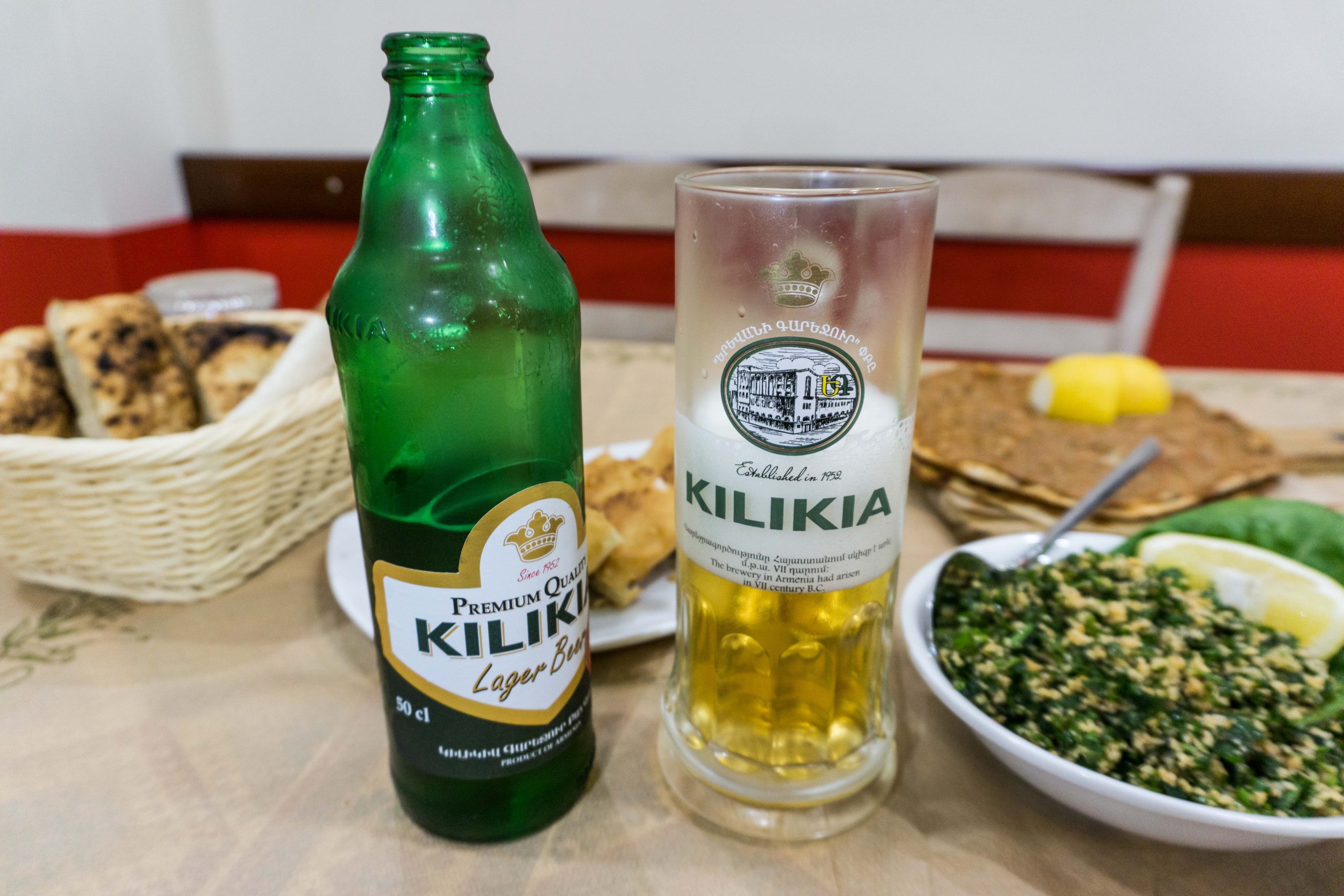
For lahmajoun, kebab and khorovats in Nea Smyrni
Today, most of the restaurant’s customers are Greek. “I have no complaints about Armenians, but most customers are Greek. Our cuisine shares elements with Constantinopolitan cuisine, so many people from Asia Minor already know these dishes,” he says. Of course, the flavors have been slightly adapted to Greek tastes. “Our cuisine is normally spicier. Here, we’ve made it a bit more light.”
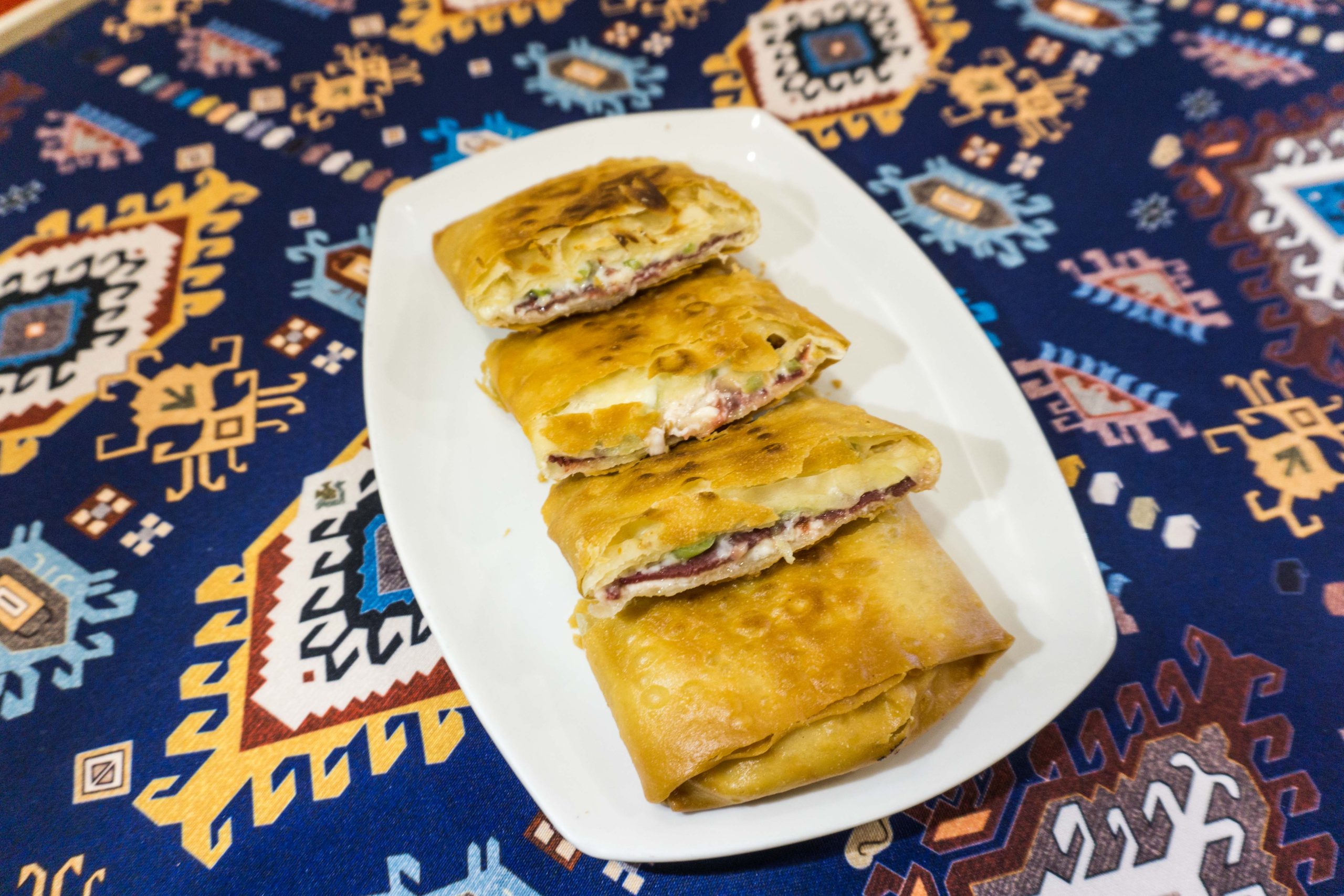
As we talk, the first dishes begin to arrive, each one looking better than the last. The menu offers a wide range, although—as Hakob says—it’s only a small part of Armenian cuisine. It starts with cold appetizers like eggplant salad, chicken salad, hummus, and various dips, while among the hot dishes, the pastourma pie, lahmajoun, and mitsoukov—the well-known ichli meatballs with bulgur and minced meat filling—stand out.
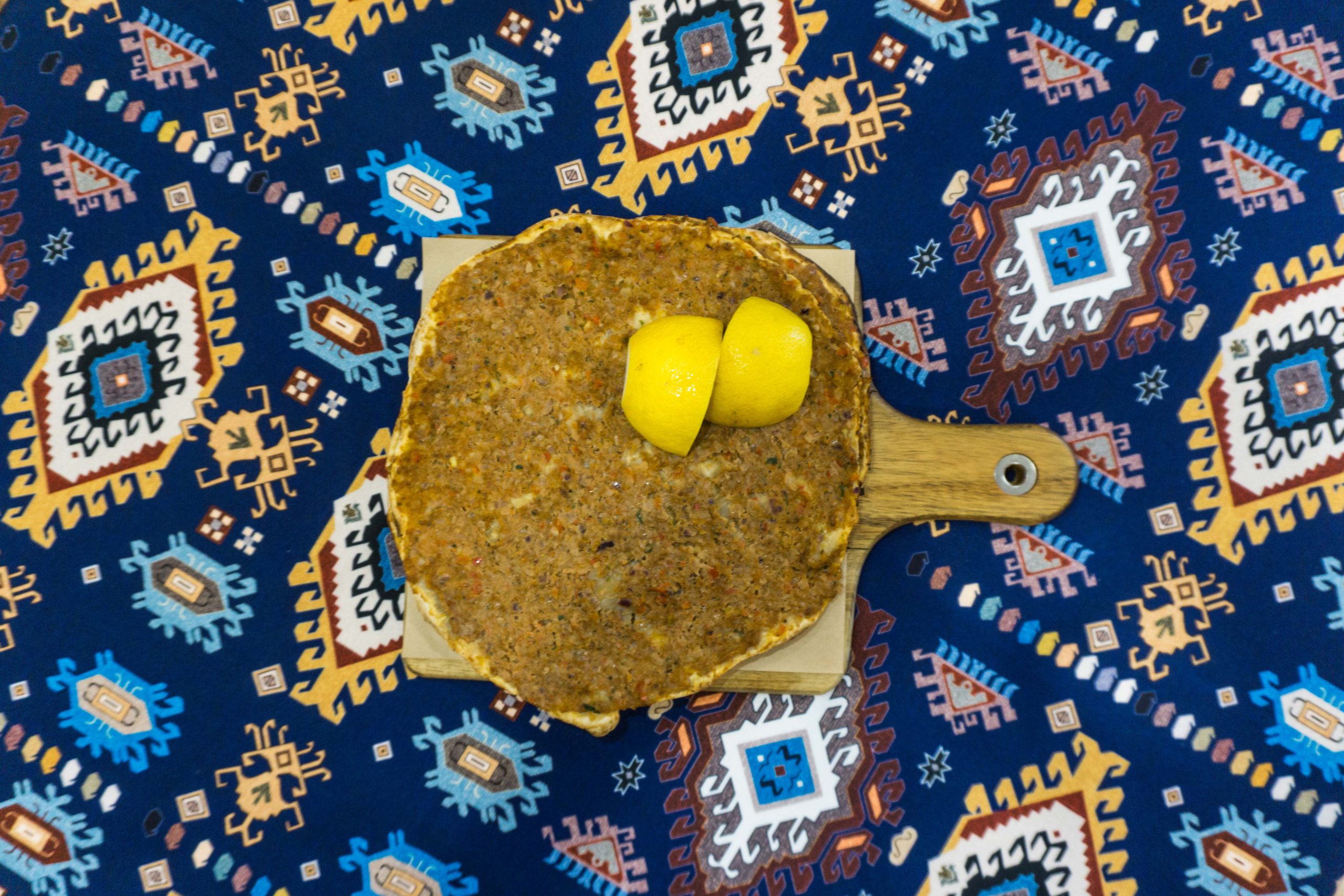
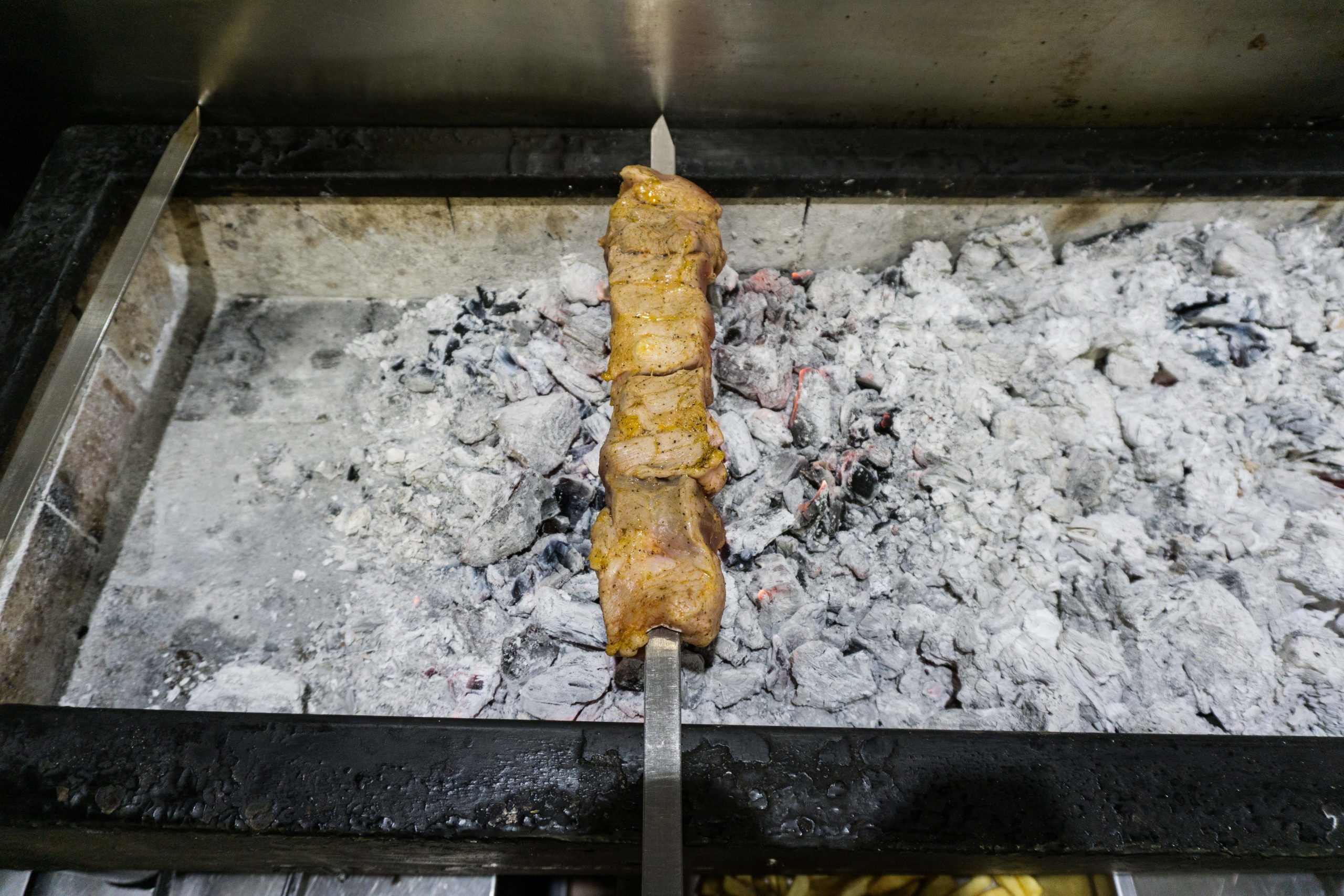
For mains, you’ll find kebab, pork, chicken, manti, as well as khorovats, a dish with large pieces of marinated meat on skewers, grilled over charcoal, reminiscent of our kontosouvli. “We make everything here, on the spot. We don’t have pre-cooked meats. We start as soon as the order comes in. That’s why there’s a slight delay. But anyone who knows how to eat also knows how to wait,” he emphasizes.
4A is closed on Mondays and Tuesdays, while from Wednesday to Friday it opens from 6 in the afternoon until midnight. On Saturday it operates from 1 p.m. to midnight, and on Sunday from 1 p.m. to 8 p.m. “Weekends are difficult days. Since December, we decided to stay closed on Tuesdays as well, and on Sundays we now close at 8, because many times things run out and we have nothing left to serve. On Tuesdays we do preparation, because manti takes hours to make. We prepare the dough, fill them, bake them. Everything is handmade and takes time.”
The restaurant operates almost exclusively with family members. Apart from the rest of the relatives, his wife Anna also helps whenever she can—she works in the morning as a teacher at the Armenian school. “Family businesses have a face,” he says. “Large businesses are impersonal. Here, people come for us too.”
And indeed, there are customers who travel from quite far away to eat at 4A—from Salamina, Aspropyrgos, Kifisia, even from Chalkida. “We’ve put a lot of sweat and effort into this place.” And despite the challenges—the economic crisis when they opened, as well as the pandemic that followed—the restaurant managed to endure. “We endured because we are a family. Otherwise, we wouldn’t have made it.”
Today, Hakob is already thinking about the next steps. As an active member of the Armenian community, he doesn’t hide that he would be interested in creating a larger space someday, perhaps an event venue, again with Armenian influences. For now, he has decided to remove anything from the menu that is not purely Armenian and to renew it, further emphasizing the restaurant’s identity.
“Unfortunately, as things are, I can’t plan the future. I can only imagine where I want us to be. I didn’t want to limit my daughters to this. Since they have studied, it’s better for them to do something else. But if they ever want to get involved with the restaurant, I would be very happy,” he tells me when I ask how he envisions the future of the place.
“I see the future very optimistically. I’ve always been optimistic,” he says. And I take my last sip of the Armenian beer in front of me, while from the kitchen continue to come aromas of charcoal and spices—the same aromas that, for more than ten years now, make 4A feel like a small piece of Yerevan in Nea Smyrni.