
Ali Fouladi: “Painting is my dialogue with the world”
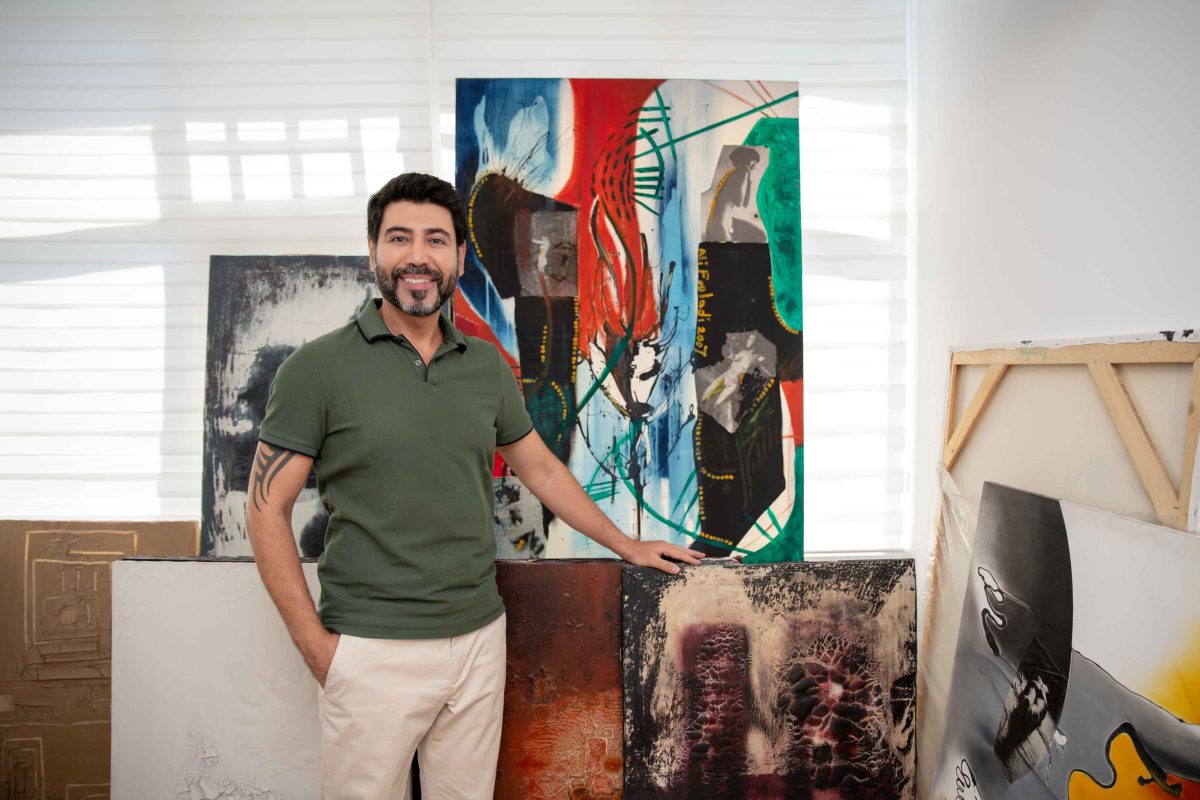
Ali Fouladi, painter, engineer, and co-founder of iLand, sees creation as an existential need—whether on canvas or in buildings inspired by the great masters.
Ali Fouladi, co-founder and owner of the construction company iLand, is not your typical entrepreneur. First and foremost, he defines himself as an artist. A painter with a deep, inner urge to create, he views both life and business through the lens of art. It’s no coincidence that his company’s buildings are named after, and inspired by, great creators—from Picasso and Goya to Lorca and Mondrian.
For Mr. Fouladi, creation is nothing less than a necessity. As he explains to NouPou: “Painting is my way of giving voice to emotions that words cannot contain. It’s a dialogue with myself and, at the same time, a bridge to others.”
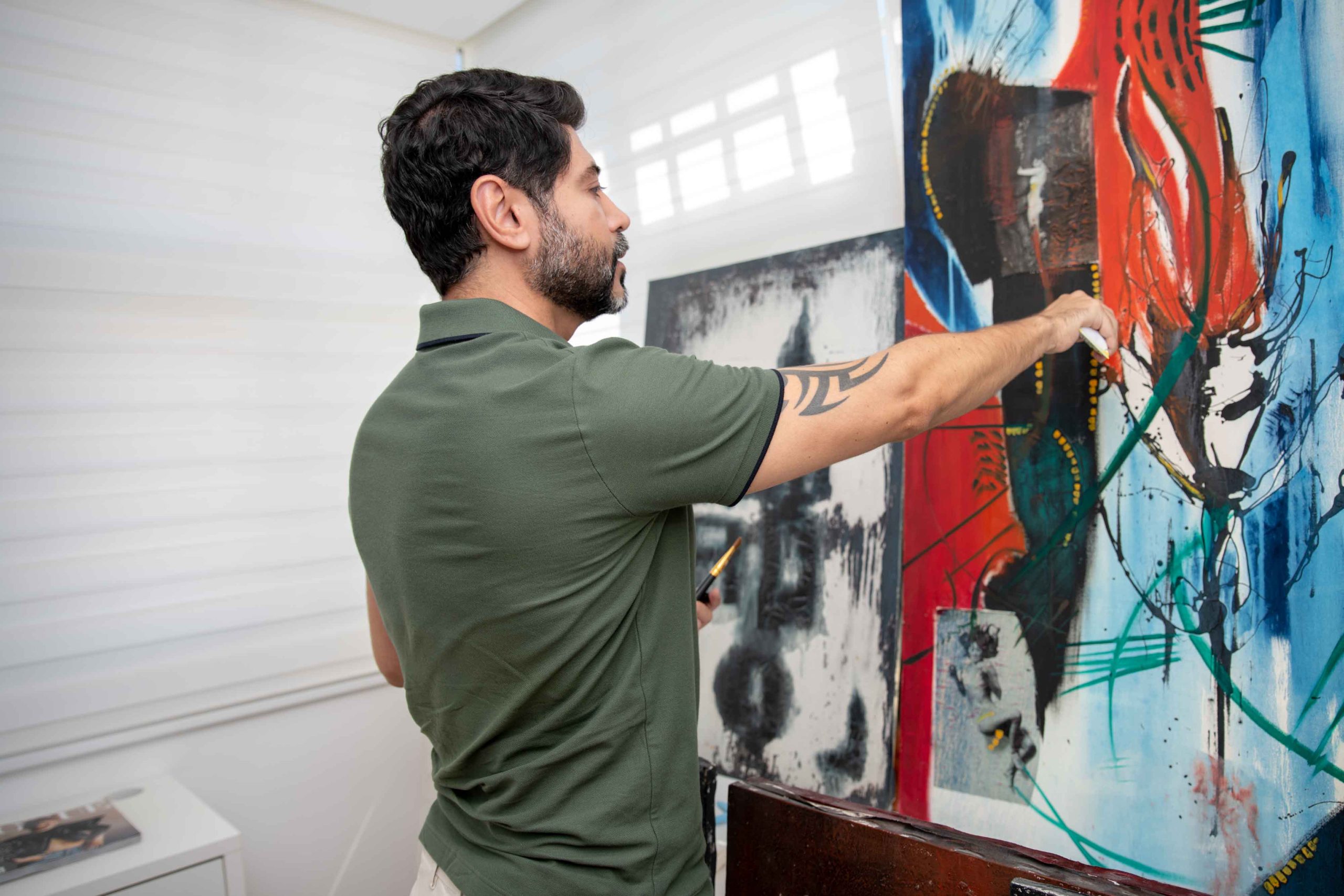
Mr. Fouladi, let’s start from the beginning. How did you first take up painting, and what philosophy guides your work?
I’ve been painting since childhood. I was lucky to train with many teachers, for whom I feel very proud. Art has been the most important element of my life from an early age. Although studied engineering, I wouldn’t call myself an engineer. The essence of who I am is painting, art, and a particular way of seeing life. That’s what sets me apart from other entrepreneurs or engineers—it’s the artistic philosophy that permeates everything I do.
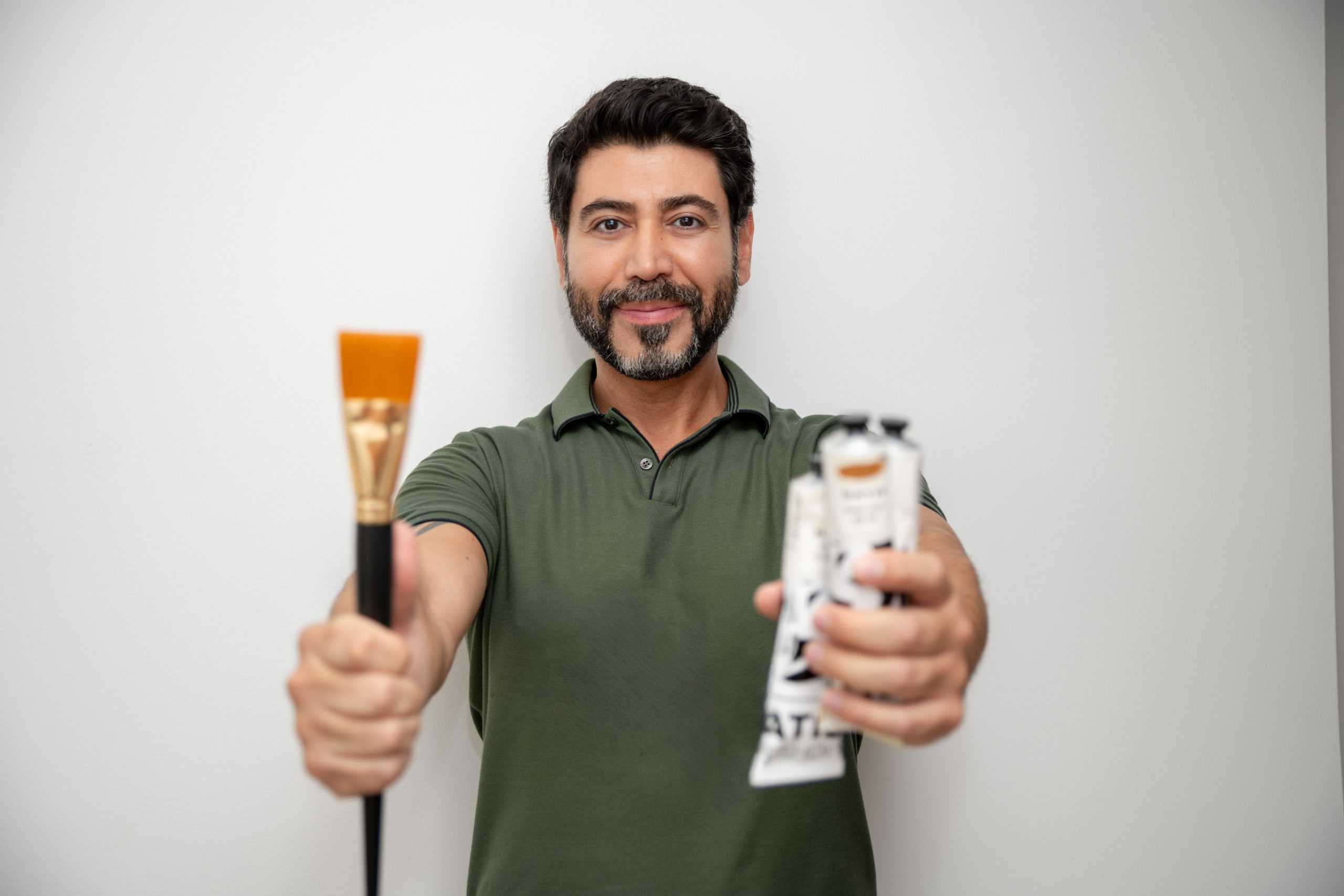
So, art is a way of life for you.
Absolutely. When you’re an artist, you’re driven by an insatiable thirst to create. You can’tsimply repeat yourself. You must constantly explore, experiment, bring something new into being. If you stop, life loses its meaning. For me, the day I stop creating will be the day I die.
Painting is not just about standing in front of a canvas—it’s an inner process. If I had to describe it, I’d say it’s similar to a mother giving birth. When a painting is finished and stands before me, it feels like I’m seeing it for the first time. That’s when I realize what I had been carrying inside me. Painting is a journey of self-discovery, of probing the unknown, and also of connecting with the world. Because the emotions captured on canvas don’t belong only to me—I’m simply their vessel. I carry the weight and energy of society, of history, of all people past and present. My paintings reflect that collective essence within me.
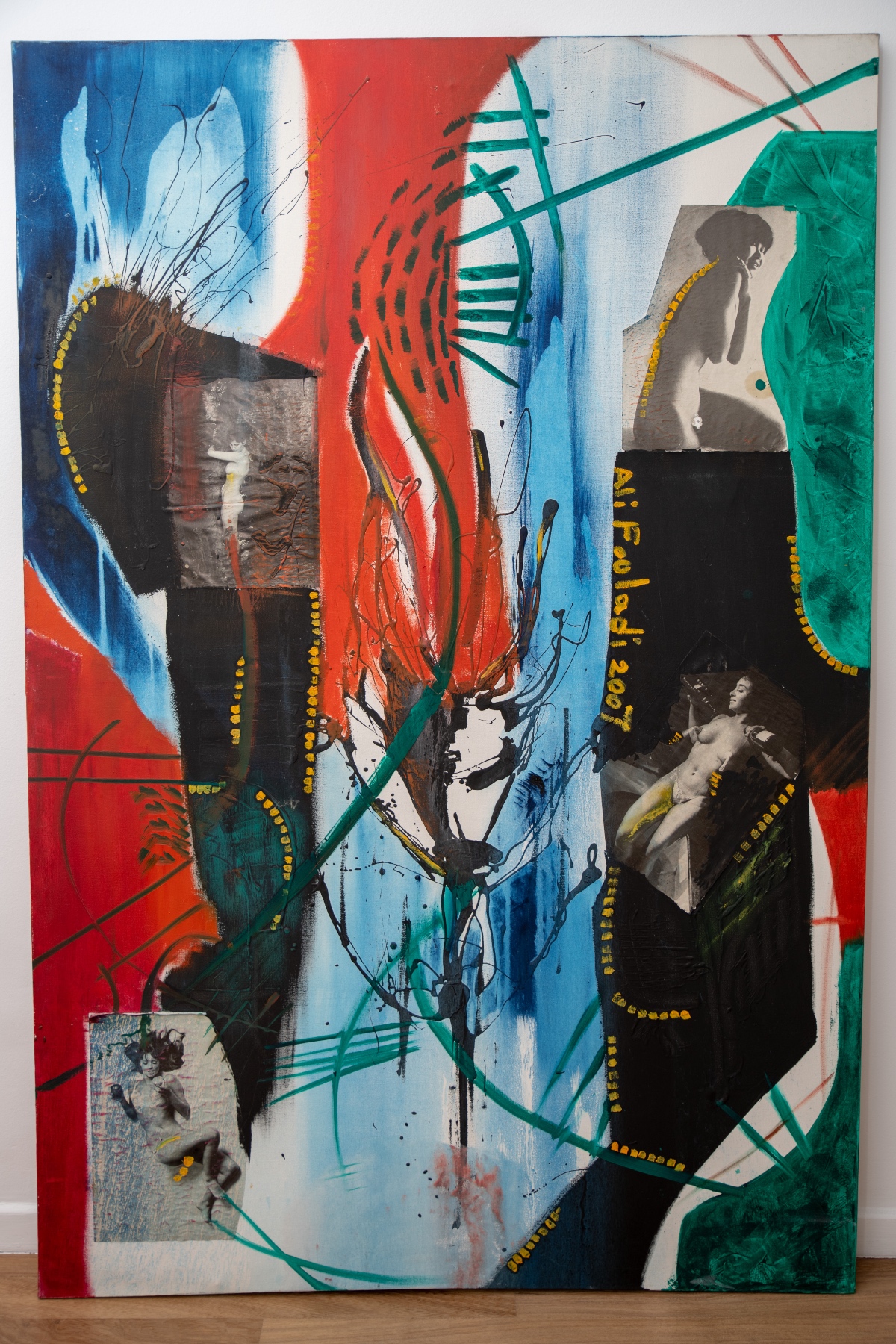
Each work brings me greater clarity. It’s a revelation, like those described by John in the Book of Revelation. Everyone has their own way of expressing themselves—mine is painting.
I’ve never stopped, and I know I never will. Painting is my life’s calling. I often think of Pablo Picasso. Even at 92, on the last day of his life, he painted for eight hours. That shows what it means to be an artist—you can’t stop. The creative flow must remain alive.
How does art connect with your business ventures?
I’m a multifaceted person. I enjoy turning ideas into something tangible and useful for society, which is why I entered real estate development and construction. I never studied architecture, but I was drawn to it because it allowed me to express emotions on a larger scale—through buildings.
Early on, I also realized a hard truth: living solely from art is incredibly difficult. Artists must sell their works to make a living, and that has always been hard for me. I’ve sold very few paintings and gifted even fewer. I’m too attached to them—they’re pieces of myself. Giving them away feels like giving away part of who I am. Even when I gave works as gifts, I often regretted it, realizing the recipient didn’t truly deserve them.
Of course, my work evolves with my life. Everything I experience finds its way onto the canvas. In 2007, for example, I began a series exploring “fears”. That period gave birth to works I still continue today—a journey that remains unfinished.
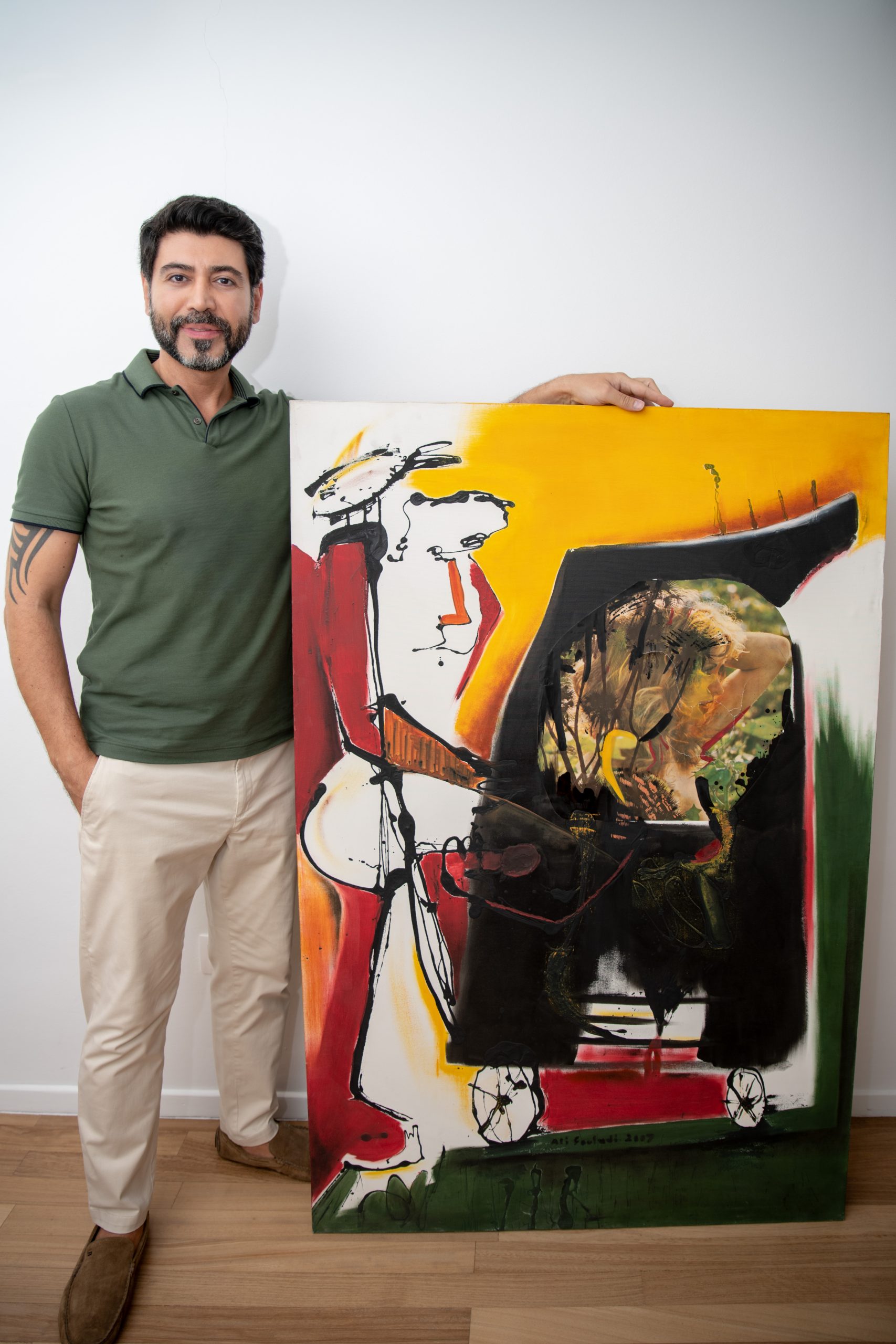
I noticed that in this series you have works titled “Fear of Loneliness” and “Fear of Falling.” Were these drawn from personal experiences?
Yes, there was a time when I felt lonely, like everyone does. I think we all fear loneliness at some point, or fear surrendering to the unknown. But sometimes we must let go, overcome the fear of “falling,” even “fall”—to discover new worlds.
What inspires you now to begin a new painting?
The need to create something new. To outdo myself. I don’t see other people as competitors—my only competition is with myself. Each day, I strive to be more creative, more successful, and also a better person. That pursuit keeps me awake and alive.
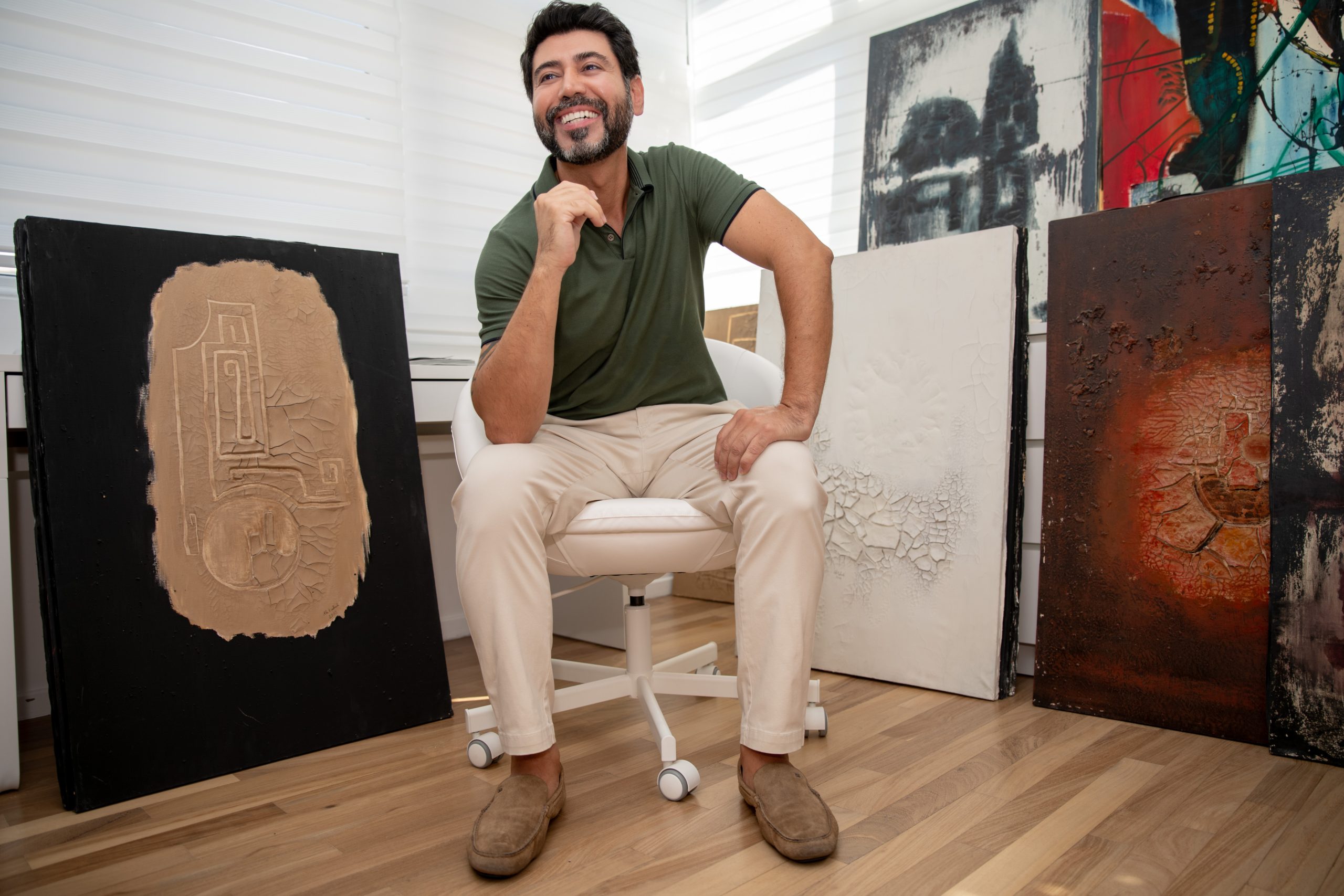
Who are your favorite artists?
That’s always a difficult question for an artist—we carry many influences within us. I’d single out Picasso. Not because he’s my absolute favorite, but because he is undeniably one of history’s greatest. Some admire him, others criticize him, but no one can deny his impact on modern art and its philosophy.
He lived a long life and stayed at the creative forefront for decades. That’s rare—most artists are only recognized after death. Picasso, though, was respected, admired, and celebrated during his lifetime. He was too influential to ignore. He redefined art itself: introducing Cubism, reshaping composition, opening entirely new paths.
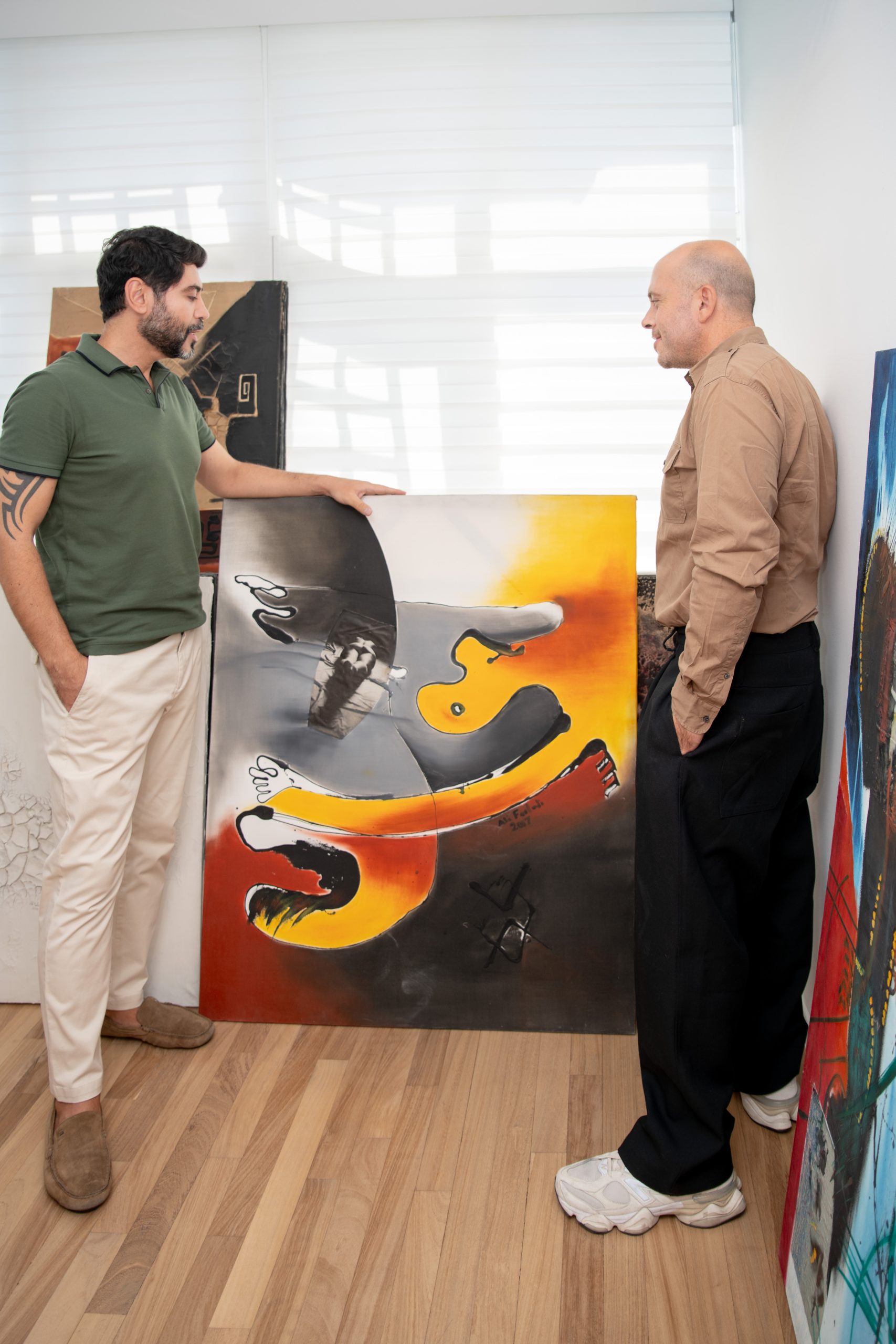
Another artist I deeply admire is Jackson Pollock. Picasso once said that after him there would be no new art movements, only combinations of existing ones. But Pollock went beyond that—he destroyed every notion of composition. His canvases are pure revolt, a complete revolution against all definitions that came before. That’s what I admire: his absolute freedom.
Where do you work on your art?
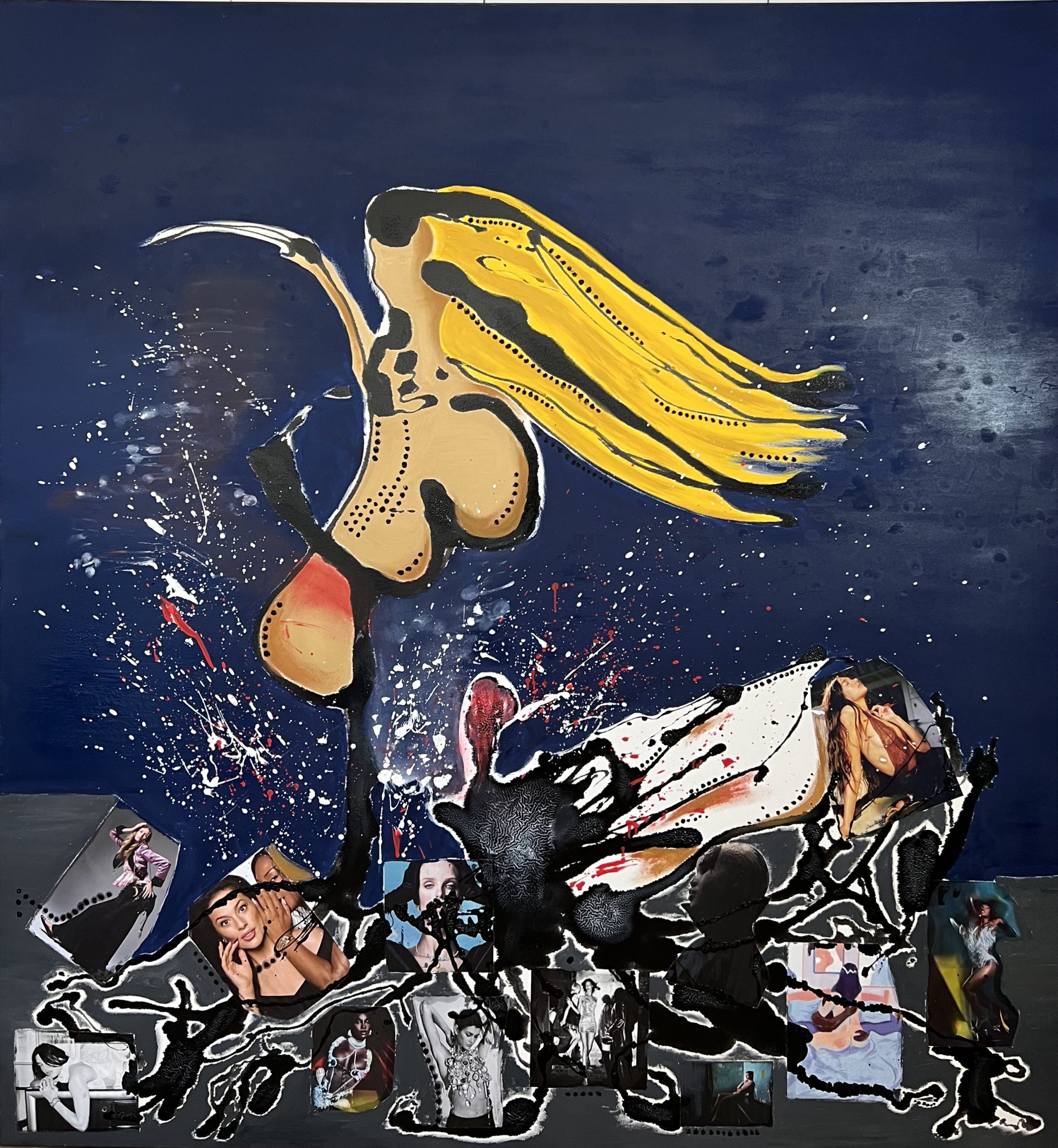
At home, in a dedicated studio. Right now, I’m working on a large piece titled “The Fear of Happiness.” It’s a challenging subject because many people struggle to accept happiness. Sometimes, when someone feels intensely happy, they’re gripped by the fear they don’t deserve it—or that they’ll lose it.
How do you connect art with the buildings you construct?
For me, that connection is essential. I always need to create something new and different. That’s how buildings named after artists like Goya, Picasso, Mondrian, and Lorca came about. We don’t copy their works—we translate elements of their art into architecture.
Goya, for example, expressed sarcasm and used curving forms, which we incorporated into our “Goya” building. Lorca, on the other hand, was more difficult—he wasn’t a painter but a poet, full of emotion and romanticism. Even so, we worked to capture his spirit and bring it into our buildings.