
Mario Barcelo: The man who brought padel to Greece and made it thrive in the Athens Riviera
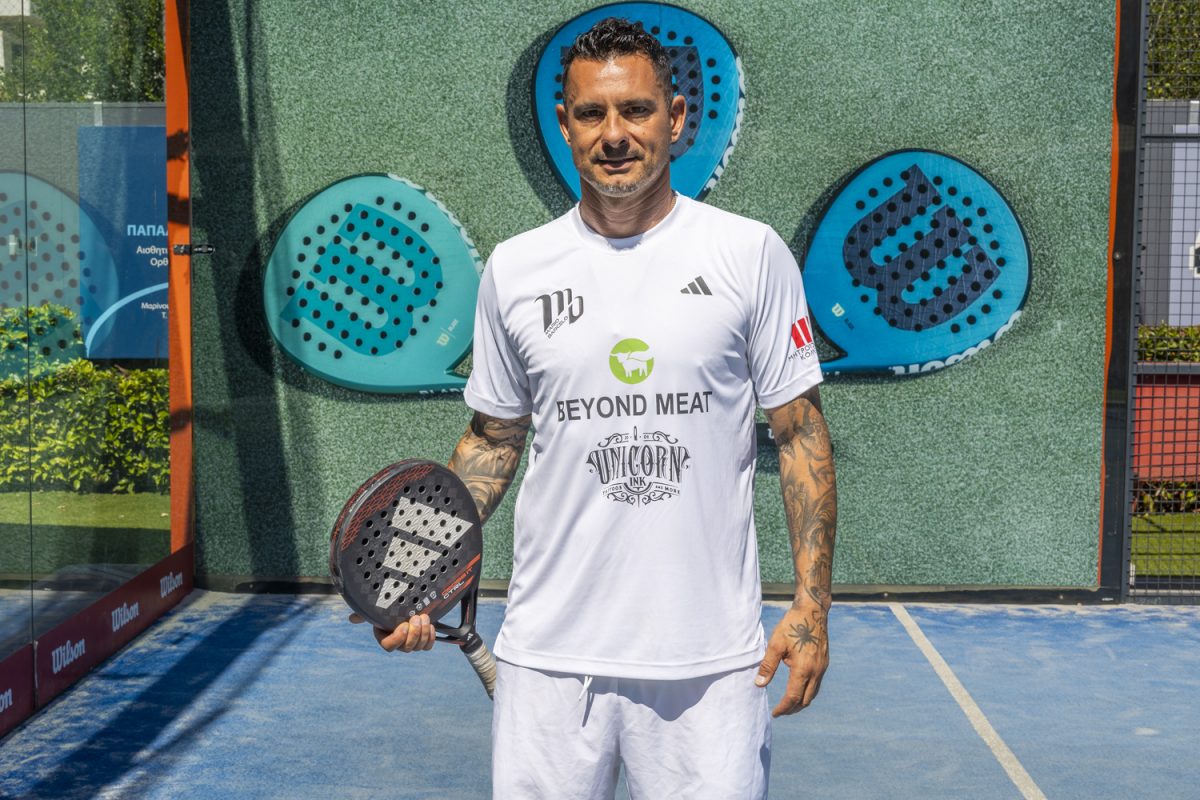
The heart of padel beats in Glyfada—and it beats strongly! Mario Barcelo, the man who brought padel to Greece, welcomes us at Olympico and shares his own love story with the sport that quite literally became national.
Tuesday morning, and our appointment with Mario Barcelo, head coach of Olympico Padel Club, is set at Olympico Glyfada, the first of the three clubs in which he is also a shareholder.
Olympico Club Glyfada was born during the pandemic, but even before that, as early as 2014, padel was already a Glyfada affair, with the first courts in Greece being built here.
Before you rush to call this sport “elitist,” let me tell you that padel was the idea of a Mexican, and later developed as a sport in Latin America, continuing to evolve constantly, as Mario Barcelo explains. “It’s not the most expensive, but it’s not cheap either,” he comments. Either way, conquering one country after another, with Spain reigning as queen of the sport—where padel is the second most popular sport after football—padel is here to stay.
Mario, however, has known padel since the 1990s, as he was an active athlete in the youth division of Uruguay’s national team.
But what do we Southerners have in common with Latins? According to Mario, quite a lot. As a professional footballer, he came to Greece in 2001 for PAS Giannina and stayed on, playing in many teams across all divisions. “I left home at 17 for football, and it’s the sport I will never leave behind. In football terms, I didn’t achieve as much as I could have, although I had potential. When offers came, I chose to stay in Greece. The climate, the food, the entertainment, the people—they’re close to the Latin philosophy. For me, Greece is paradise.”
After 20 years in the country, he says he now feels Greek. Still, he returns to Uruguay every January to visit his relatives. “In Uruguay, January means summer. That’s my vacation. But for me, the whole year feels like a vacation, really. Not just because the weather is good, but because I love what I do.”
Padel: A fun and social sport
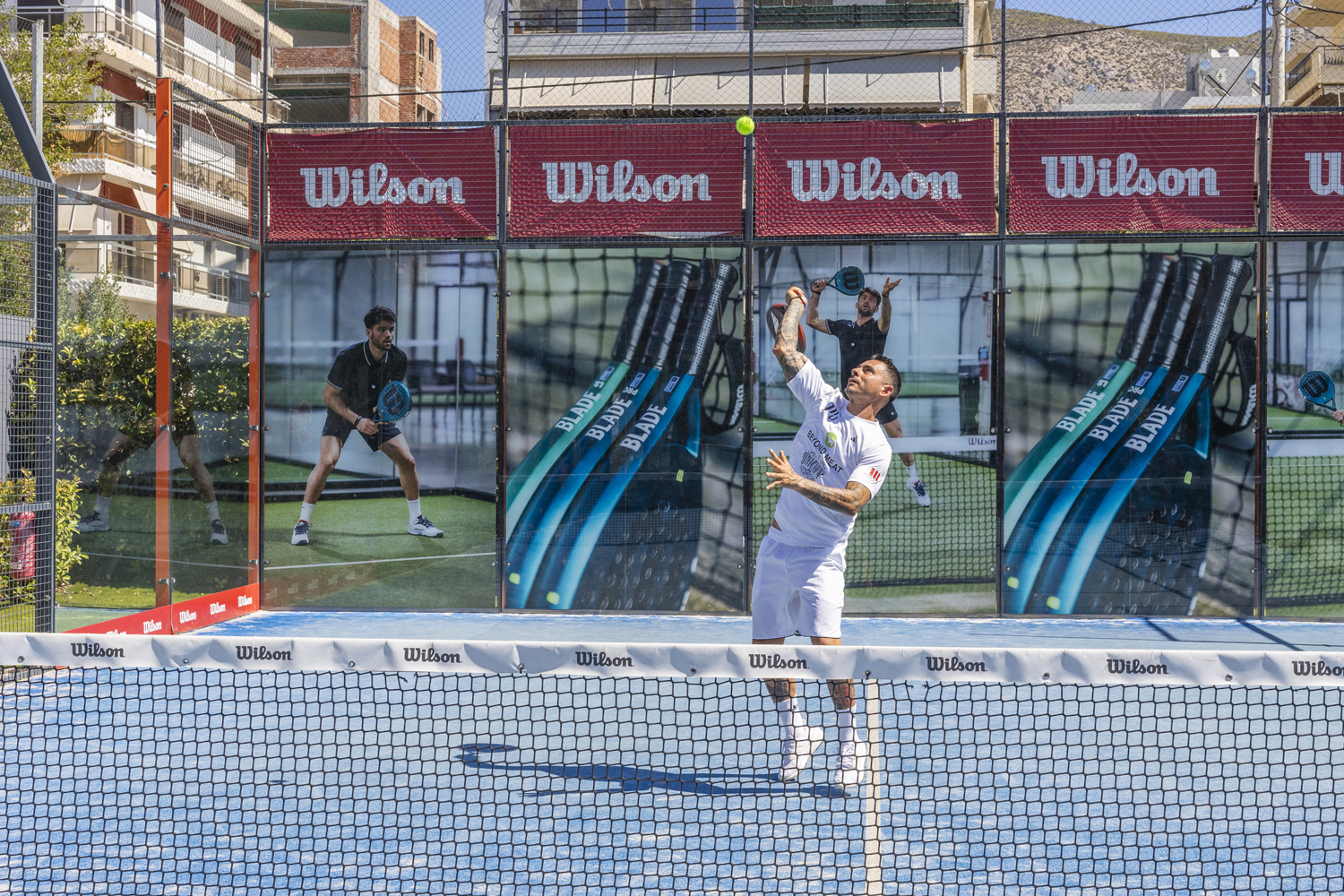
The mother of the racket may be tennis, but this is a sport with several differences—not only in the size and layout of the court, but also in player strategies, the ball, the racket, and of course, the glass walls that are also “in play.” It is often described as a mix of tennis, squash, and ping pong, but in reality, it’s something remarkable on its own.
Padel requires four players—unlike tennis, which can be played either by two players or doubles with four. “Padel is a sport that will do well wherever it goes. It’s great, it’s easy, kids, men, and women from 5 to 90 years old can play. The fact is, wherever it’s introduced properly, it succeeds. Even if you’ve never done sports before, padel can be your sport. If you’ve played rackets on the beach, in just 2–3 lessons you’ll have spatial awareness, racket feel, and then you can get on the court and play—and you’ll definitely have fun!” he says enthusiastically.
He also explains that due to its popularity, it’s very easy to find partners in a club. But it’s not just about the joy of the game—it’s much more. Many got “hooked” on padel mainly for what happens after the game! “It’s a nice process. First, you let off steam. Many people come in angry and play to shake it off. While playing, the tension goes away. It makes you competitive, it makes you want to win at all costs. So you run! You exercise! But it’s also the social aspect that people love. You finish the game, sit down for a beer with your teammates, joke around, talk, and meet new people.”
Mario claims that out of 10 people trying padel for the first time, nine want to continue. But there is also the competitive side for those who want to play seriously and learn more.
“Padel, unlike tennis, has over 70 strokes and countless tactics. Professional players are constantly inventing new moves and developing the game. It’s also a sport that requires psychology and concentration,” he adds.
Competitive teams start with children as young as 8. There are also groups for ages 5–8, where kids get their first taste of padel in specially designed classes, familiarizing themselves with the court and racket through play.
At Olympico Glyfada there are six padel courts, three of which are covered and one a single court for training. Even on the very rare rainy days in the Southern Suburbs of Athens, you can still play. “The sun doesn’t bother any tennis player, so it doesn’t bother padel players either. If you look at tennis players, you’ll notice they’re all tanned by April!” he laughs. Olympico offers lessons for all ages, individual and group, while tournaments are also frequently organized.
National padel team: Fighting for a place in Europe
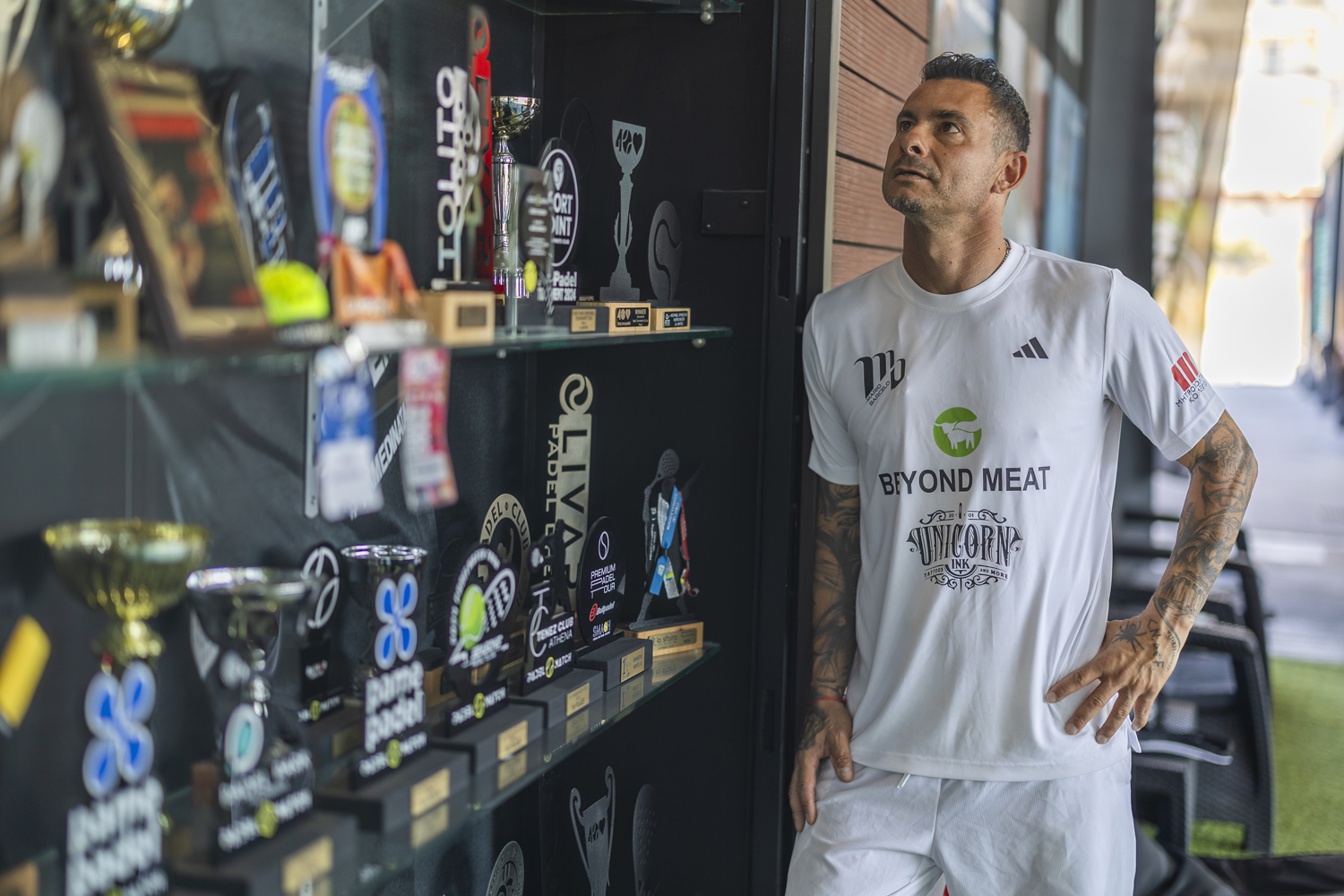
“When we brought the sport to Greece in 2014, our struggle began to establish a federation. We fought hard, brought international tournaments, took steps for padel to emerge as a national sport. But without a federation, we couldn’t achieve it.” That’s how the Hellenic Tennis Federation (EFOA) incorporated padel, and it is now a member of the International Padel Federation (FIP). In May 2025, EFOA organized a camp with training sessions, fitness testing, and competitive assessments to select the final 8 men and 8 women who would form the Greek national padel team representing us at the FIP Euro Padel Cup. “We managed to travel to Spain, compete, and qualify, even though no one expected us to do so well. They thought we’d be back in Greece by day three or four. We went ranked 50th and finished in 13th place! We stayed until the end. It was unique.”
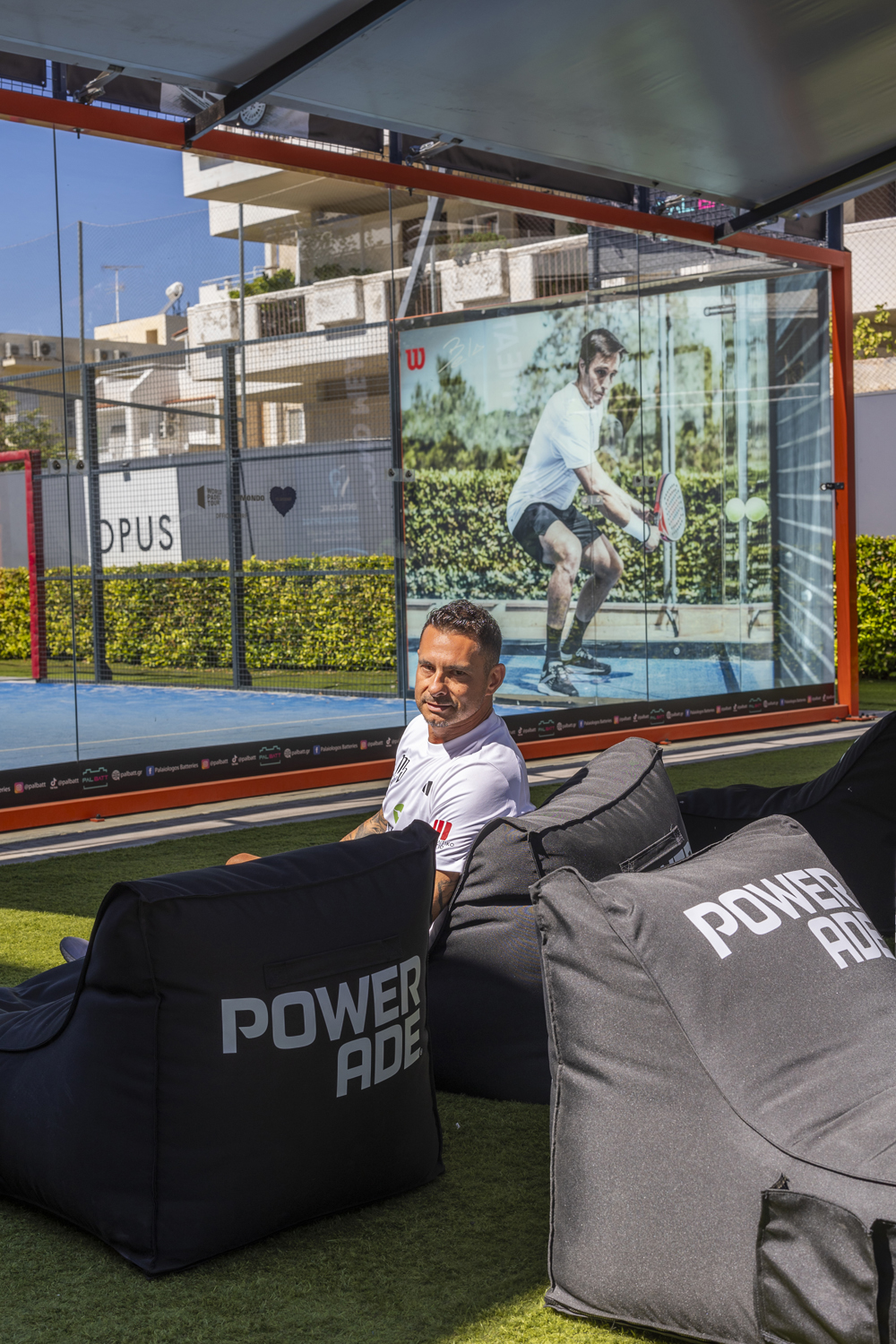
Mario Barcelo is still an active padel player, but at the FIP Euro Padel Cup in Madrid in July 2025, he traveled as a coach due to a serious injury. “The plan was to be both coach and player. In football, I never had a serious injury. But at the tournament we hosted in December 2024, I got badly injured. During the match, I heard a ‘pop’ in my leg and fell—I couldn’t get up. The feeling was like being shot or struck with an iron rod. I had torn my Achilles tendon, as confirmed by the tournament doctor. The very next day I had surgery, and while everyone thought I would never return competitively, nine months later I was playing in tournaments again. I did physiotherapy twice a day, and I was determined to make it back. I believed I could, and I did.”
As we chat, one of the Olympico coaches shouts out laughing: “He’s never lost in here!”
On the road to the Olympic Games
As Mario Barcelo notes, the sport’s ever-growing audience is also reflected in the demand for padel-related products—from fancy rackets and equipment to clothing. And the more it attracts the attention of brands, the higher its popularity rises, with the possibility that by the 2032 Olympics, padel (officially called “yallosfairisi” in Greek) will be included as an Olympic sport.
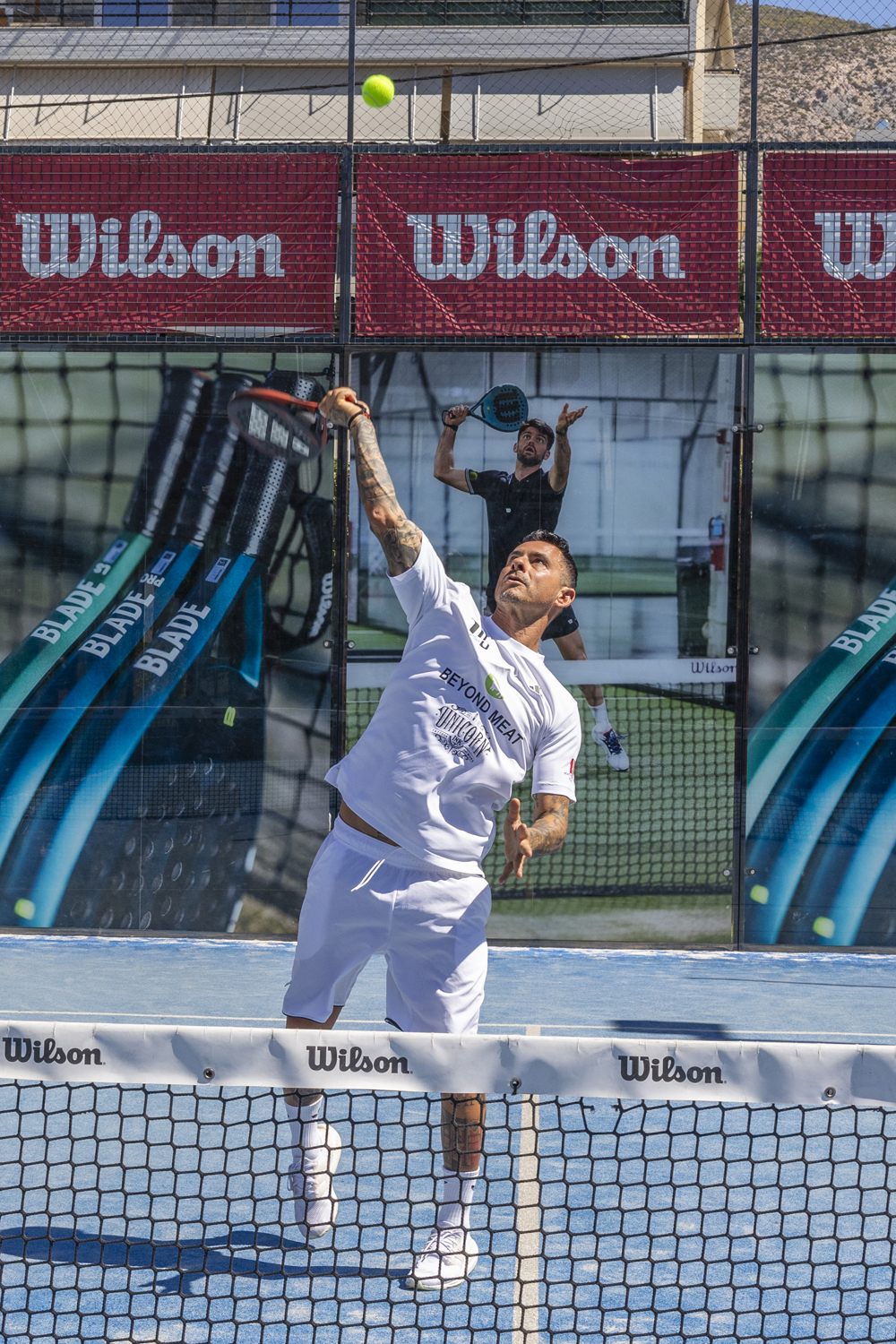
“Personally, I do whatever I can to help padel grow in Greece. Apart from Olympico, I’ve created an academy, with a trainer, psychologist, and nutritionist, hosted by various clubs… If I trained everyone who wants to participate, there wouldn’t be enough hours in the day. Many times, I stay longer to train more people, because I love it and I care that they learn properly.”
In addition, Mario—the man who brought padel to Greece—has created his own brand “Mario Barcelo” and launched the first padel show, Ora gia Padel, alongside sports journalist Giannis Ranios.
If I had to describe him somehow, I’d say he is a man of tremendous determination, tireless, generous, with faith and vision in what he does. A Southern-Latin who rightfully gets credit for making padel our national sport!