

The total transformation of the coastal front of the Athenian Riviera
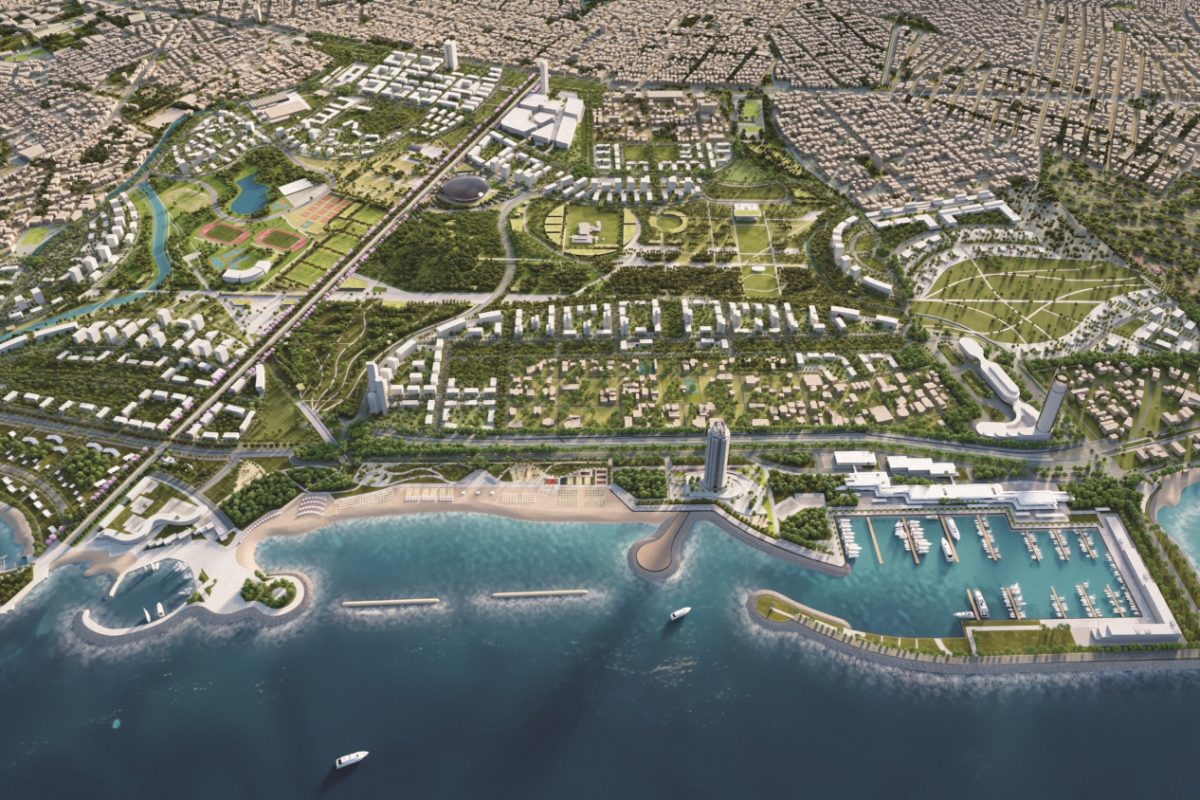
The total transformation of the coastal front of the Athenian Riviera and the major infrastructure projects that will support investments at all levels.

Some of those in ther 40s may remember more vividly the time when the southern suburbs were a leading entertainment destination, with large nightclubs attracting thousands of visitors, especially during the summer. Gradually, the face of the Athenian Riviera began to change, as, especially during the economic crisis, a significant reshaping was recorded that was going to mark the future of the entire southern sector of the basin. Many be lieved that this future, even if it would be slightly delayed given that the country experienced one of the most difficult periods in its modern history, would come at some point. During the years of the crisis, many properties changed hands, mainly due to the lower value of land, and the motto that some people use regularly, “crisis creates opportunities”, became a reality, giving rise not only to private investments but also to large institutional investments. A reference point continues to be the ambitious investment in the Metropolitan Pole of Ellinikon, where the creation of the largest urban regeneration project of recent years is underway. The “city of the future” being created in Hellinikon is one of the largest urban regeneration projects in Europe. It extends over more than 6,000 decares and aspires to create a modern, sustainable destination, where residents and visitors will have all the necessary services available within walking distance. At the same time, it will include the largest coastal park in Europe, which will extend over 1/3 of the total development.
Extensive urban regeneration in Faliron Bay as well
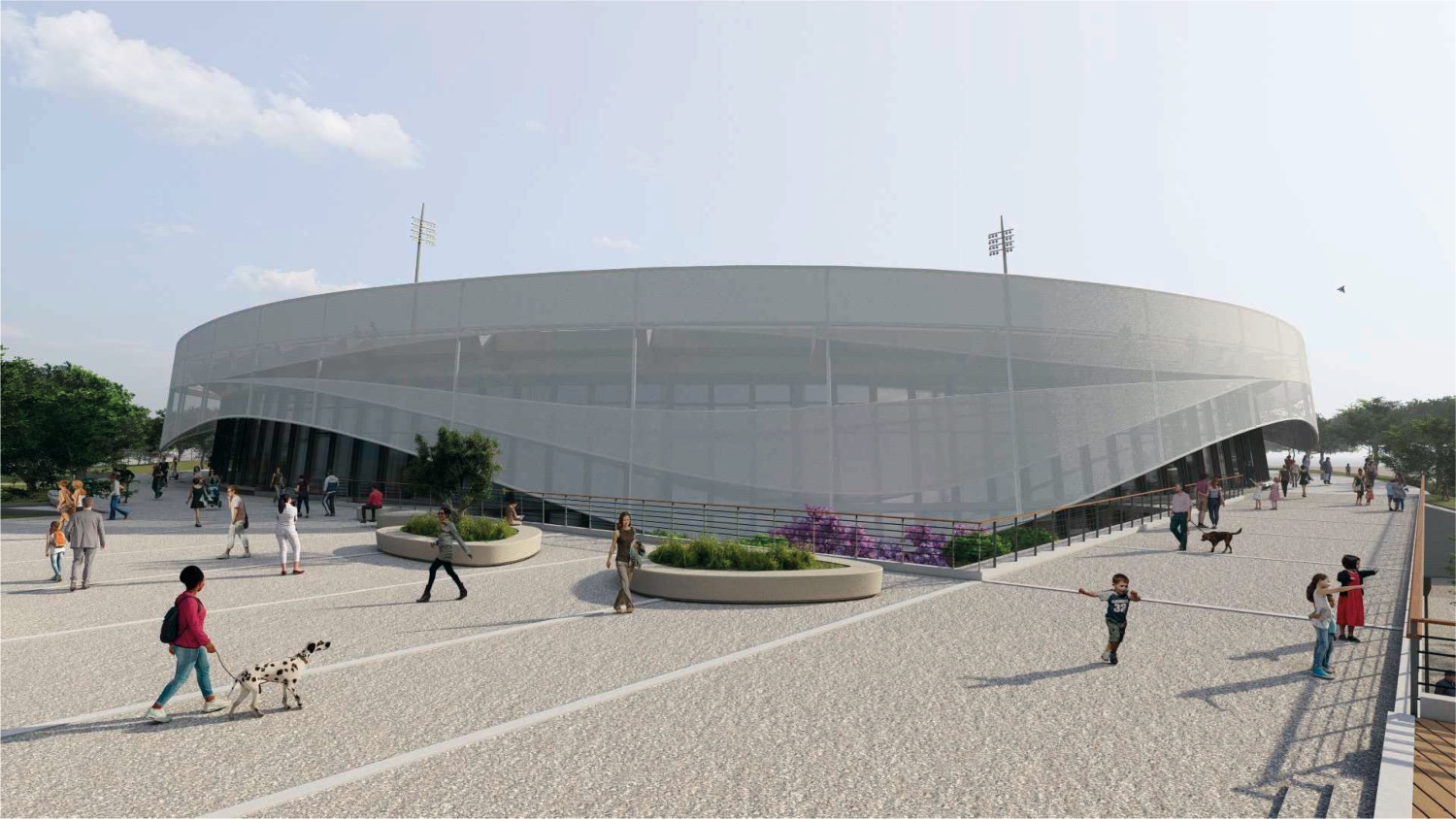
However, the regeneration of the coastal front of southern Athens starts from the Faliron Delta, where the largest urban park in Greece is to be created by the Region of Attica, under the name “Aenaon”, utilizing a significant part of the abandoned pole and the former Olympic Properties in the Faliron Delta. The first phase of the regeneration of Faliron Bay, with a budget of 109 million euros, included the transverse repositioning of Poseidonos Avenue with resources from the NSRF 2014-2022. The second phase, with a budget of 370 million euros, includes the construction of the “Aenaon” Park and is financed by the NSRF program “Environment and Climate Change”. According to the plan, the Park will offer free access to visitors around the clock. The urban landscape will be redeveloped with 4,000 trees and 185,000 shrubs. Walking routes, bike lanes and pedestrian bridges will be created, while existing buildings will be renovated. The goal is to create a large green and recreational nucleus, which will attract visitors from all over Athens.
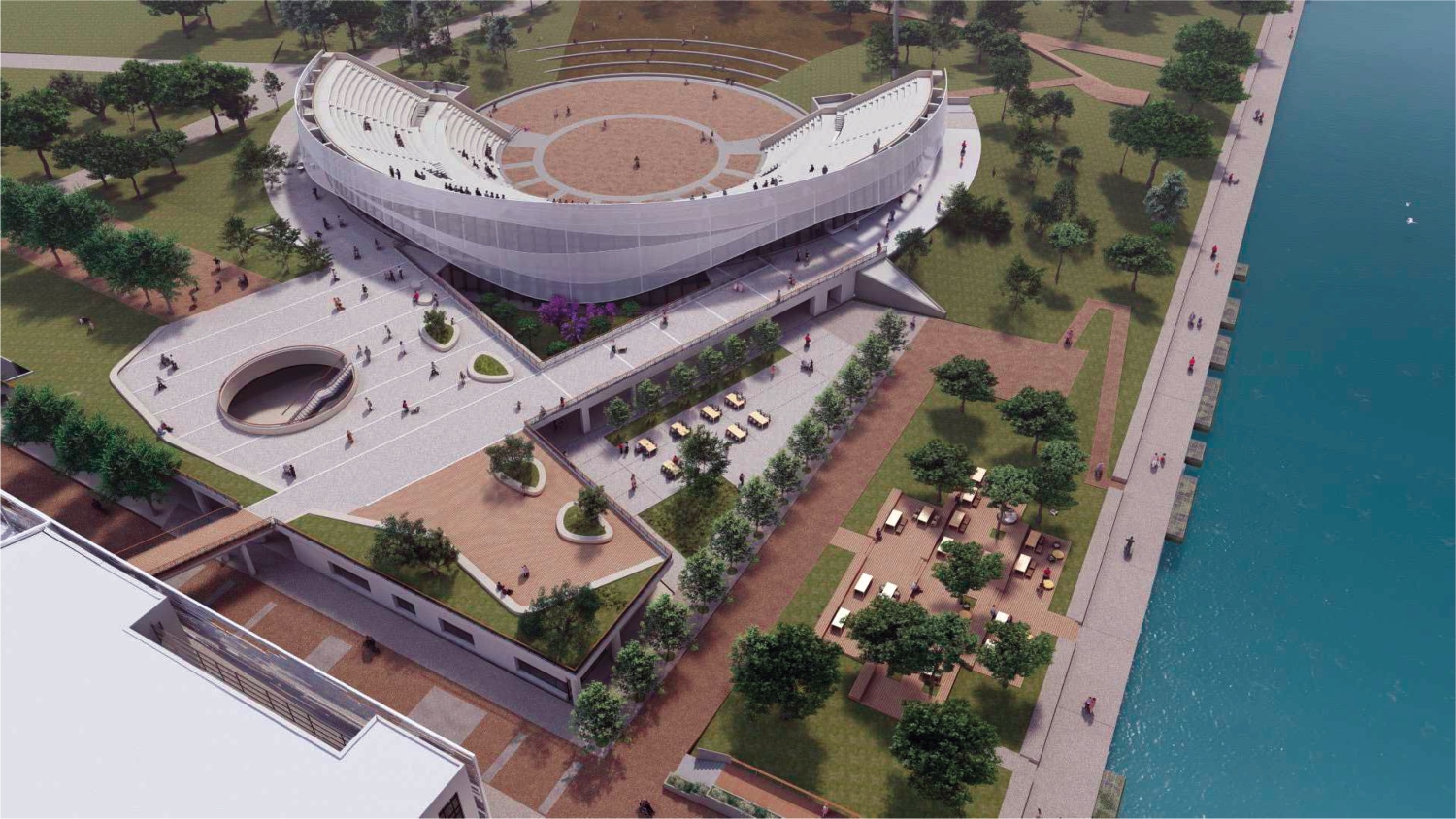
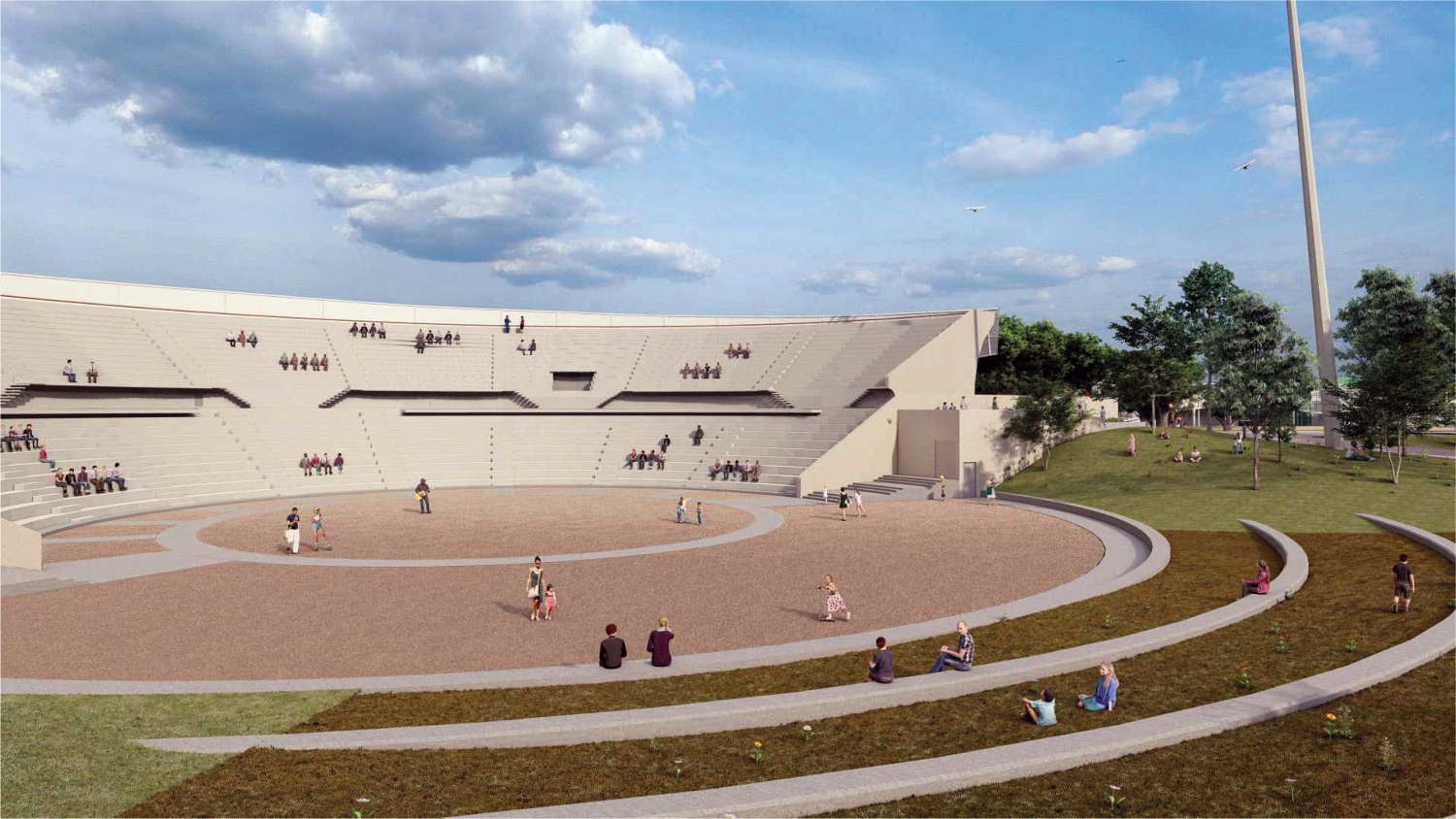
The role of the urban pedestrian path and bike lane will also be crucial. The project under construction will extend from the Poseidonos – Kifissos interchange in the Municipality of Moschato to the City Hall in the Municipality of Vari – Voula – Vouliagmeni. A single network of bike lane and pedestrian path is to be constructed, crossing six Municipalities (Kallithea, Palaio Faliro, Alimos, Hellinikon-Argyroupolis, Glyfada, Vari-Voula-Vouliagmeni). There is also the section from the port of Piraeus to the Peace and Friendship Stadium, approximately 4 km long, which will be implemented as a separate bike lane – pedestrian path construction project by the Municipality of Piraeus. The 3.5 km long section of the urban bike lane, which passes through the Municipality of Glyfada, has already been completed.
The “new” beaches
The beaches that are under reconstruction will also play a key role in the new environment that is being formed in the Southern Suburbs. The completion of the reconfiguration and total reconstruction of Voula’s 2nd Beach is now a matter of time, by the Athens Beach Club company, in which the TEMES group, businessman Dinos Kokkalis and shipowner George Prokopiou participate. The investment will reach 15 million euros and includes the complete reconstruction and maintenance of the existing buildings, as well as the architectural design of the landscape. As part of the project, an environmental upgrade will be carried out with the cleaning and revitalization of the seabed, addition of sand and implementation of drainage works. A part of the area will be utilized by the members of the private club of “The Ilisian”, the new hotel and residential project of TEMES that succeeds the Hilton, and the tenants of its private residences. Another part of the beach will be accessible to bathers upon payment of an entrance fee.
There is also strong investor interest in Vouliagmeni Beach, where 7 investment schemes, represented by some of the largest business groups in the country, have submitted proposals. The tender, implemented by the Hellenic Public Properties Co. (HPPC), will enable the highest bidder to lease the area for a period of 20 years, with the prospect of an extension of ten years. In the first phase of the tender process that the Public Real Estate Company is “running”, an intention to invest was expressed by businesses belonging to the Melissanidis, Kokkalis, Prokopiou, Konstantakopoulos, Georgatos (Grigoris Group) families, the CVC fund through Evergood, which manages the Goody’s, Everest and La Pasteria restaurants, in joint venture with Gefsinus SA, the Fais group, Victor Restis, Reds of the Ellaktor group and Henry Holterman (shareholder of Alpha Bank, among others). Brothers Thodoros and Yiagos Agiostratitis, of “The Margi” hotel in Vouliagmeni, also participated.
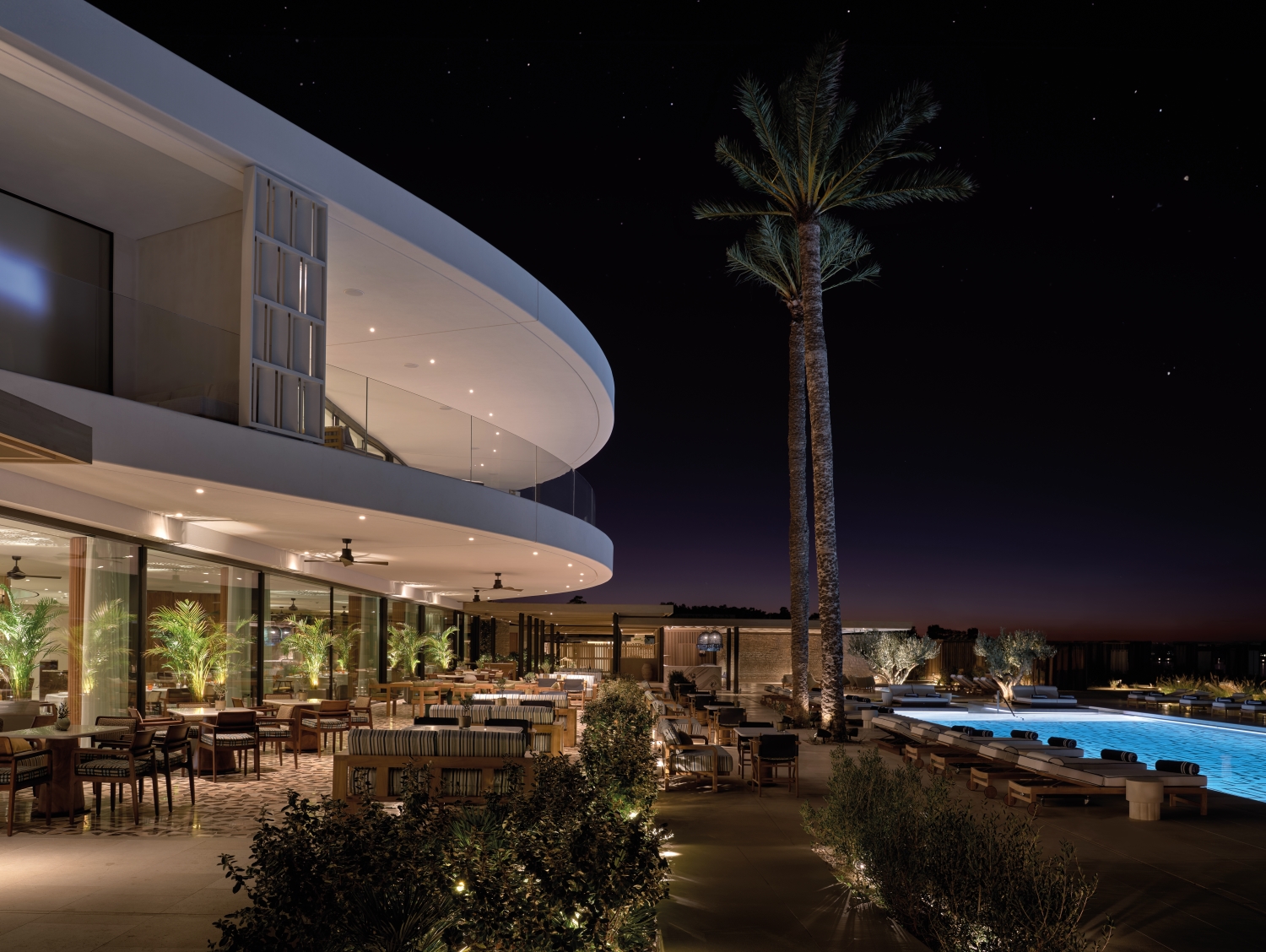
Indicative of the dynamics that exist in the market is the significant investment of Grivalia Hospitality, a company of the major investor and head of the Canadian Fairfax group, Prem Watsa. The company proceeded with the full utilization of the Asteria of Glyfada, creating the ultra-luxury One&Only Aesthesis hotel complex, with a total cost of nearly 300 million euros. At the same time, Grivalia also utilized an area on Voula’s 1st Beach, with the creation of a luxury glamping-style accommodation complex with high-quality services, called “91 Athens Riviera”.
Fotis Gioftsios: Infrastructure that will support the important projects being carried out is necessary
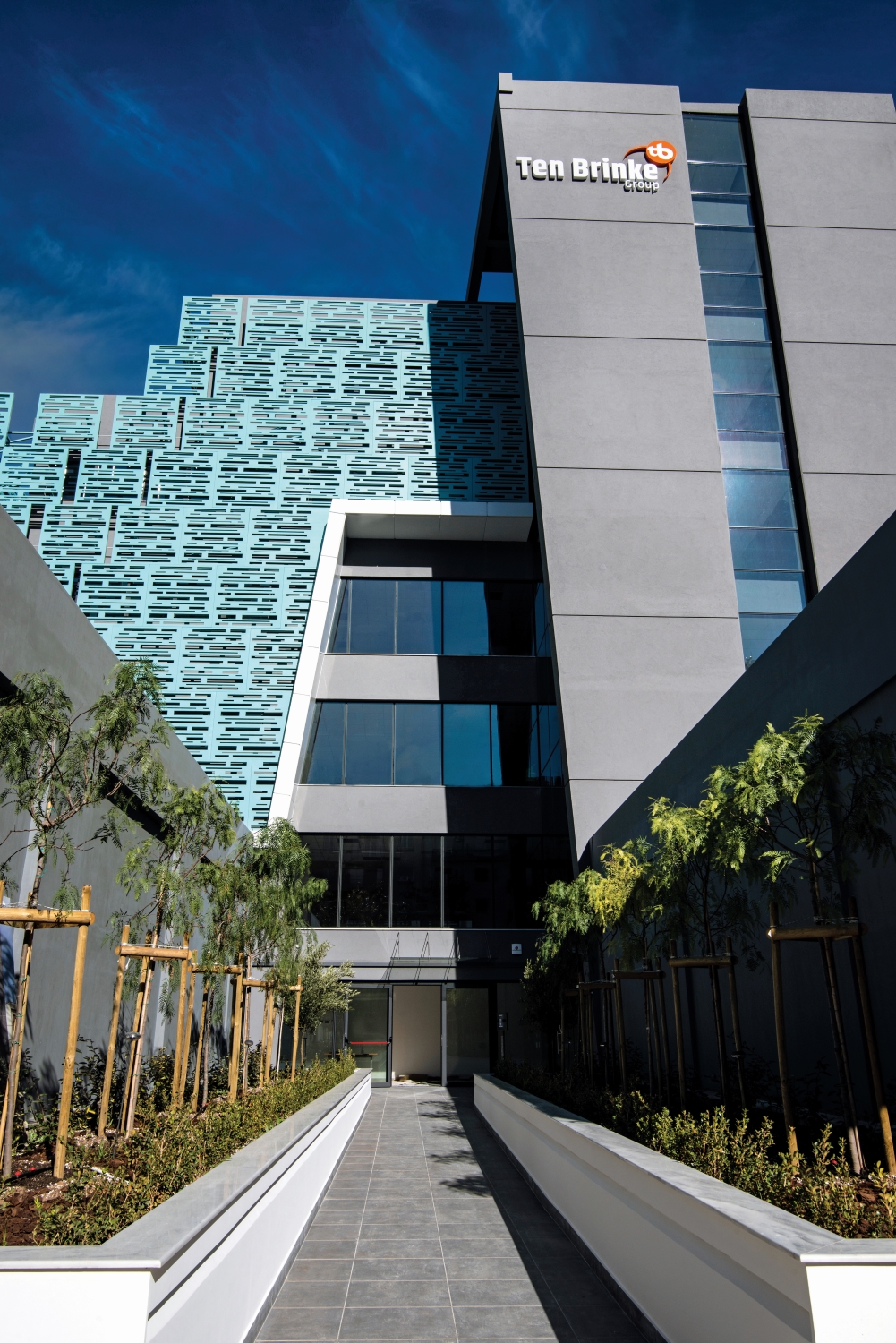
Among the important private companies investing in the Southern Suburbs is the Dutch construction company Ten Brinke. We asked the company’s
vice president and CEO, Fotis Gioftsios, to share his perspective on the future and evolution of the Athenian Riviera. “The Athenian Riviera presents significant prospects, as many developments are taking place along the entire coastline up to Sounio. In any case, however, emphasis should be placed on infrastructure, as there are areas that lack it; thus, this is a field that should be given priority in order for investments to be implemented smoothly. At the same time, it is essential for both the state and LAMDA Development, which is implementing the largest development in the Hellinikon area, to move within the timetable, given that this significant investment is a regulating factor for the area, as well as for many more investments being implemented in the wider area of the Athenian Riviera.”
According to him, TenBrinke currently has approximately 20 projects underway in the residential and office sectors in the Southern Suburbs and continues to purchase properties when appropriate opportunities arise. “The demand from domestic and foreign investors is there. The Athenian Riviera brand is also there. We are an attractive investment destination, given that even compared to other rivieras, prices are lower. However, the issue of infrastructure is decisive. I emphasize this, as it is in this sector that the credibility of our country is judged”.
The decisive role of marinas
In the landscape of total regeneration, investments that have already been implemented in marinas on the southern front of Athens are being added, with Astir Marina Vouliagmenis already in operation, constituting a model not only for Greek, but also for European standards, in direct connection with the Astir complex, which recently came under the ownership of shipowner, George Prokopiou. The regeneration of the Agios Kosmas Marina, the reconstruction of the Alimos Marina and the upgrading of the Flisvos Marina are imminent. At the same time, there are discussions over the possibility of creating a marina in Glyfada, where there is currently no corresponding infrastructure for mooring boats. Marinas are the connecting link between sea and land tourism, meeting the demand for accommodating large vessels (approx. 30 meters long), connecting the region with the islands of the Argosaronic Gulf and the Peloponnese.
Published in “White Paper: The Big Business of the South”, NouPou Media’s special edition spotlighting the current landscape and future prospects of the Athens Riviera.