
Activities for kids in the Southern Suburbs of Athens: A complete guide for ages 0–6
What new thing will your child try this school year? Discover their talents without rushing and enjoy each age to the fullest! From baby classes to preschool sports and arts activities, this guide brings together dozens of suggestions for ages 0 to 6.

You may be eager to uncover your child’s talents and interests and need a guide to show you the way. Each age has its own dos and don’ts—there’s no need for haste or exaggeration. All you really need is a good mood and some organization. To begin with, the best extracurricular activity at this age is simply the playground, and secondly, no—your child will be just fine even if they don’t learn chess, horseback riding, and Japanese before starting first grade.
As a child, I tried many different hobbies, and now, as a mother, I can say that free time was and still is what I appreciate most. A child doesn’t need to lose it in order to appreciate it later, because as we all know, the older you get, the less freedom you have and the more obligations. So, let’s relax. Besides, every child is different in temperament, development, and, of course, interests.
Often, we feel the urge to sign our child up for activities either because we ourselves have some personal experience with them or because we wanted to try them as kids but never got the chance. There’s nothing wrong with consulting the child within us, but we must also take into account the wishes of our own child. And then, everything in its own time. Fortunately, there are now plenty of options for all ages—but that doesn’t mean we need to do them all at once.
Infants 0–2 years: music and movement, messy play, or baby swimming?
If your little one doesn’t attend daycare, you can introduce them to music and movement and messy play, the basic activities for this age group. Movement, play, socialization, the development of creativity and empathy, and self-awareness are all they need right now. For babies 2 to 15 months old, I’d recommend the Babymove program, while slightly older ones can enjoy creative play through Kids Learn & Play—both of which involve active participation from the parent throughout. You can find these programs at HobNob in Glyfada.
If you notice that music especially interests your baby, it’s certainly not time yet for piano lessons, but there are early childhood music programs that introduce them to the magical world of the “language of the soul.” The Philippos Nakas Conservatories (with locations in Nea Smyrni and Glyfada) have extensive experience in this field, offering the Robbie program (for ages 10–22 months). Throughout September, you can book a trial class and decide whether it resonates with your child.
Finally, baby swimming can also be part of the program—and this is one where you (swimsuit and big smile required) must actively participate. At swimming centers in the southern suburbs that offer baby swimming—such as Chelonakia in Kallithea—classes start as early as three months old. Baby swimming has multiple benefits and, beyond its educational value, the bond with water is magical.
Toddlers in action: Activities for ages 2–5
Your child has grown and is probably now in preschool. You’re likely looking for afternoon activities, but as mentioned, don’t overload the schedule. One or two afternoons a week are enough for extracurriculars; the rest of the time, enjoy their free play! Still, this is a great age to begin exploring talents—at least for a first taste.
From 3.5 years old, the Fakanas Art Conservatory (in Moschato) recommends starting children in music and movement. Following the Carl Orff method, these classes develop children’s musical skills, focusing on rhythm, song, and listening. “Children participate in a group music game using small instruments and gradually discover their musical choices, instrument, and future with confidence,” said George Fakanas, one of Greece’s most important jazz creators and soloists, in an interview with NouPou.
Even if you didn’t start baby swimming before age two, you can still start swimming lessons now, whether your child is potty-trained yet or not. Between 2 and 3 years, children continue in baby swimming classes (where an adult must accompany them in the pool), while after about age 3 they can join a children’s swimming group, where through play they become familiar with water and start developing basic swimming skills. The Palaio Faliro Athletic Club runs classes for various age groups at the Resteio Swimming Center.
If you prefer “dry” exercise, it might be time for baby ballet, kids’ yoga, or other activities offered in your area for this age group. In Nea Smyrni, Milonas Athletic Club offers engaging movement education classes for ages 4–5, where children discover their physical abilities and explore different sports through movement and play.
One sport that children can start at age 4 is mini tennis. Equipment is adapted for young ages—the balls are larger, the net is lower, etc. Whether or not they ever play at Roland-Garros, it’s a sport they can enjoy for life. The Stavros Niarchos Foundation Cultural Center offers mini tennis classes, and the Kavouri Tennis Club also has a group for ages 4–6.
At this age, you may also start thinking about a second language—usually English. English for this age is taught through play, focusing first on oral communication and comprehension before expression. You can find such programs at creative learning centers like Kangiroo in Nea Smyrni or learning centers such as Kumon.
Ages 5–6: Preschoolers and first graders (almost) ready for everything!
As you and your child continue navigating the ocean of emotions, the arts are a wonderful activity—especially art workshops and theater play. If your child shows interest in drawing, it doesn’t mean they’ll become a painter, but it does provide a beautiful way to express their rich and sensitive emotional world. Theater, on the other hand, will unlock their creativity and build confidence. Though slightly beyond the Southern Suburbs of Athens, a good option is Trilliza Art Workshop in Koropi.
From age 5, more options open up, as more sports become available, and by age 6 it’s almost impossible to choose. Remember that the first trial class is important for feedback from your child, but even then, no one can guarantee they won’t change their mind after the fourth or fifth session. Beyond mini soccer academies, you might consider martial arts like Tae Kwon Do or gymnastics. According to Gymnastic Stars in Glyfada, “gymnastics is the perfect activity for children, as they learn to control their bodies, work together, gain confidence, and develop skills through creative, playful, and innovative methods.” In addition, most municipalities in the Southern Suburbs of Athens offer sports academies (e.g., track and field at the Glyfada Gymnastics Club Children’s Academy) or sports and culture programs (see Municipality of Voula–Vari–Vouliagmeni) at a low monthly fee.
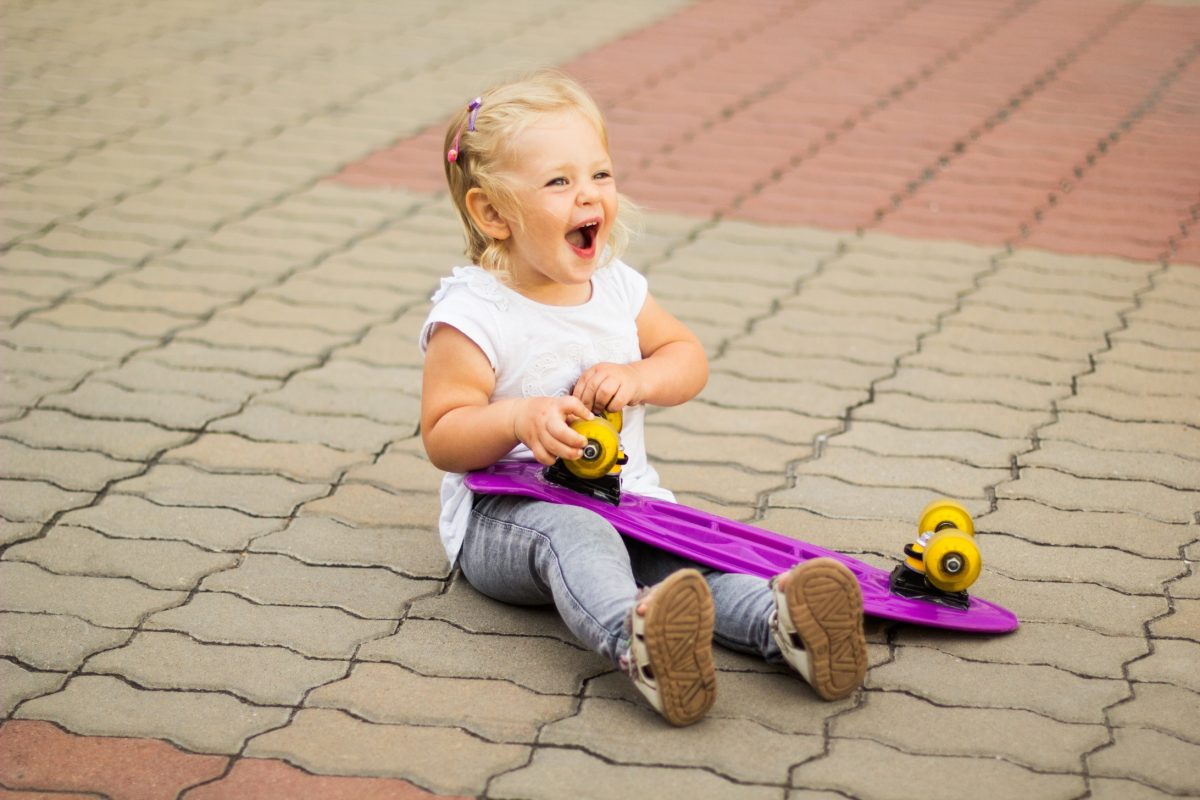
If you’re looking for something more fun and out of the box, the Esperos Athletic Club in Kallithea, besides volleyball, basketball, handball, and ping pong, also offers rollers and skateboard classes for kids as young as 5. And at the SNFCC climbing wall, first graders (from age 6) can try a sport that will literally take them to the top!
As for music, from age 5 onwards, children can begin learning an instrument (piano, keyboard, guitar, etc.). It’s also a good time to start English lessons more systematically, as suggested by People Language Center in Alimos. At Manetaki Language School in Vari, which is built around experiential and fun learning, there are special preschool classes for ages 5 and 6 that avoid reading and writing—here, English is quite literally a game!
Another highly valuable activity is STEM and robotics, which also starts at age 5. No, your preschooler won’t be building robots for NASA, but they will develop critical thinking, discover the laws of physics and math in the most inventive way, and satisfy their endless curiosity about how the world works, as explained by Ampersand MakerSpace in Nea Smyrni.
From all of this, remember that our role as parents is not to fulfill our own locked-away childhood dreams, but to help our children discover themselves. Never underestimate any extracurricular activity. The skills developed in robotics, theater, or sports are the ones that will set them apart later. Creativity brings solutions, consistency builds trust, and teamwork shapes a strong leader of tomorrow.