
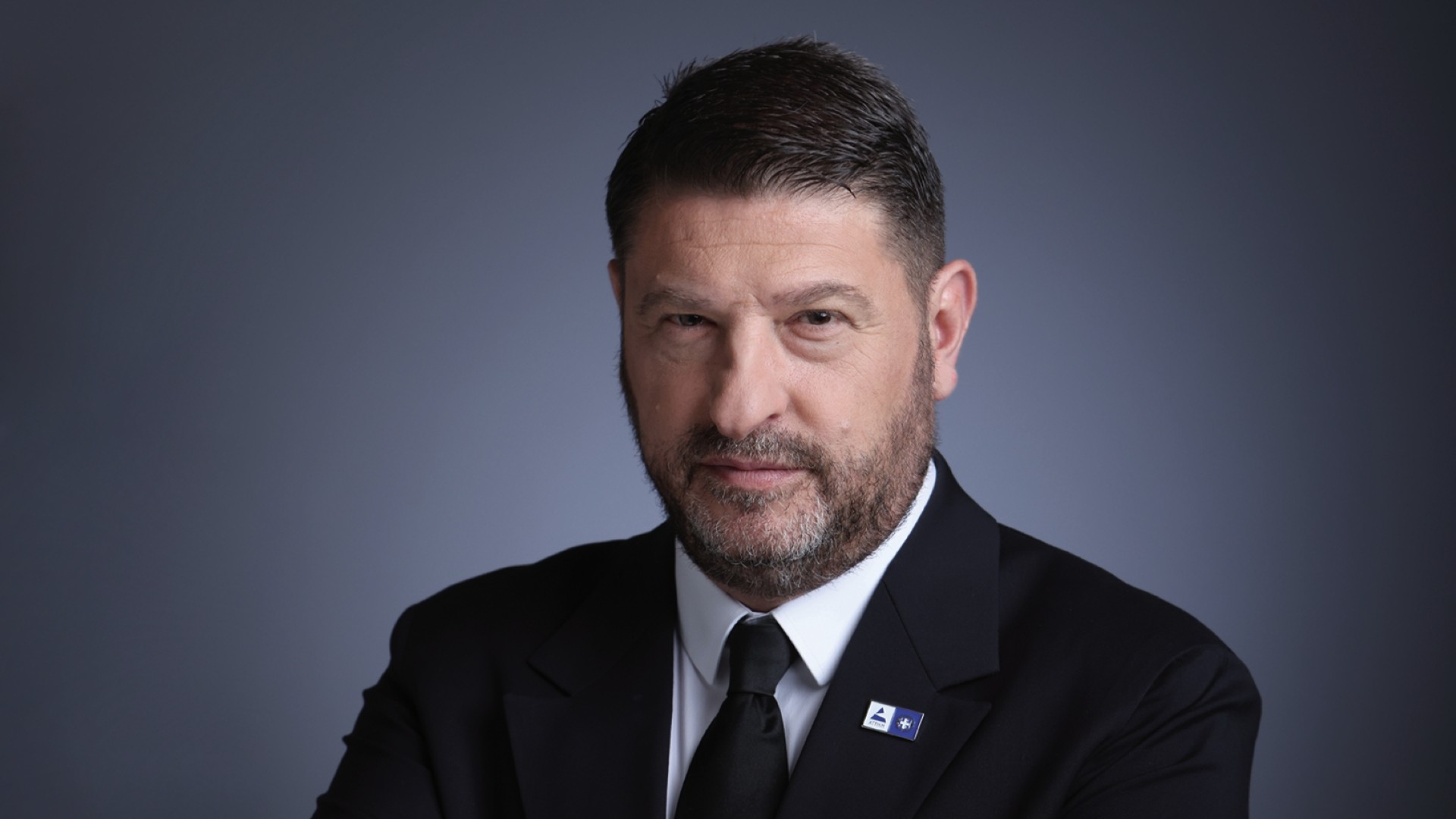

Nikos Hardalias: “We are creating the largest green front in the Mediterranean”
From AENAON and the new coastal front to Tae Kwon Do Stadium and the integrated bicycle path of the Riviera, Nikos Hardalias, Governor of Attica, describes to the White Paper the plan for a more resilient, more functional and more humane Attica by 2030.
- 15/07/2026 13:22
The Development of the coastal zone of Attica, with the aim of swiftly turning it into one of the most powerful metropolitan poles in the Mediterranean, is one of the biggest growth-related bets of the coming years. And the role of the Attica Region in winning this bet is crucial, with Nikos Hardalias, Governor of Attica, telling the White Paper that his vision is a coastal Attica that is open, accessible to all, functional and humane.
Mr. Hardalias highlights the importance of unified metropolitan planning, through a network of 300+1 projects that are being implemented in Attica. He makes particular reference to the emblematic AENAON project, with a budget of €370 million, which is now entering the final stretch, while also pointing out that Attica requires investments, but at the same time needs rules and proper planning.
The Governor of the Attica Region asks citizens to judge the outcome of his strategy “strictly”, emphasizing that the major projects currently underway are not designed to make an impression or attract votes, but to achieve substantial improvement of people’s everyday lives. “Besides, I have made it clear that if the citizens of Attica entrust me with a second term, this will be my last in local government, but also in public affairs”, he concludes.
Below is his interview:
In recent years, Attica seems to be redefining its relationship with its coastal front. What is the Region’s vision for the future of the coastal zone?
Attica has been turning its back on the sea for decades. Today, this is changing. And it is changing in an organized way, with a plan and specific projects. Our vision is a coastal Attica that is open, accessible, functional and human. A coastline that will not serve the cliché of the city’s “image”, but will be 100% adapted to the everyday life of citizens. Development in words and in announcements that refer to sums of money is a project that citizens have seen many times. Development acquires real meaning on a microscale, in the everyday life of the citizen who walks out the door of their house and sees something changing towards something more humane and more functional. The projects that we are implementing in coastal Attica have clear goals: to create better living conditions in a few years from now, to create more public space and greenery, and to generate multiple opportunities for decent work, contact with culture and entrepreneurship. The coastal zone will soon be one of the most powerful metropolitan poles of the Mediterranean. First and foremost, however, it will offer a breath of fresh air to all the inhabitants of the basin and free access to the sea.
From Eleusis and Piraeus to the Athens Riviera and Lavrio, we see different areas with distinct identities and dynamics. How can this extensive coastline func and dynamics. How can this extensive coastline function as a single and interconnected growth ecosystem?
This is exactly the meaning of metropolitanism. Let us stop seeing Attica as a mosaic with fragmented zones and start planning it as a unified ecosystem. Eleusis has a strong industrial and cultural footprint. Piraeus is a port of international scope. The Riviera is evolving into a modern hub of tourism, sustainable everyday life and investments. Lavrio is acquiring a new geostrategic role. All of this must be functionally connected with infrastructure, transport, joint planning and synergies. We cannot have everyone operating alone. That is why we constantly talk about unified metropolitan planning. Because development today is not limited to administrative boundaries. It goes through networks, partnerships and a common strategy to address major challenges, such as, first and foremost, climate change. And this is exactly what we serve through the comprehensive program of 300+1 projects that we are implementing throughout Attica.
What do you consider to be the most important interventions or projects that are fundamentally changing the image of coastal Attica today?
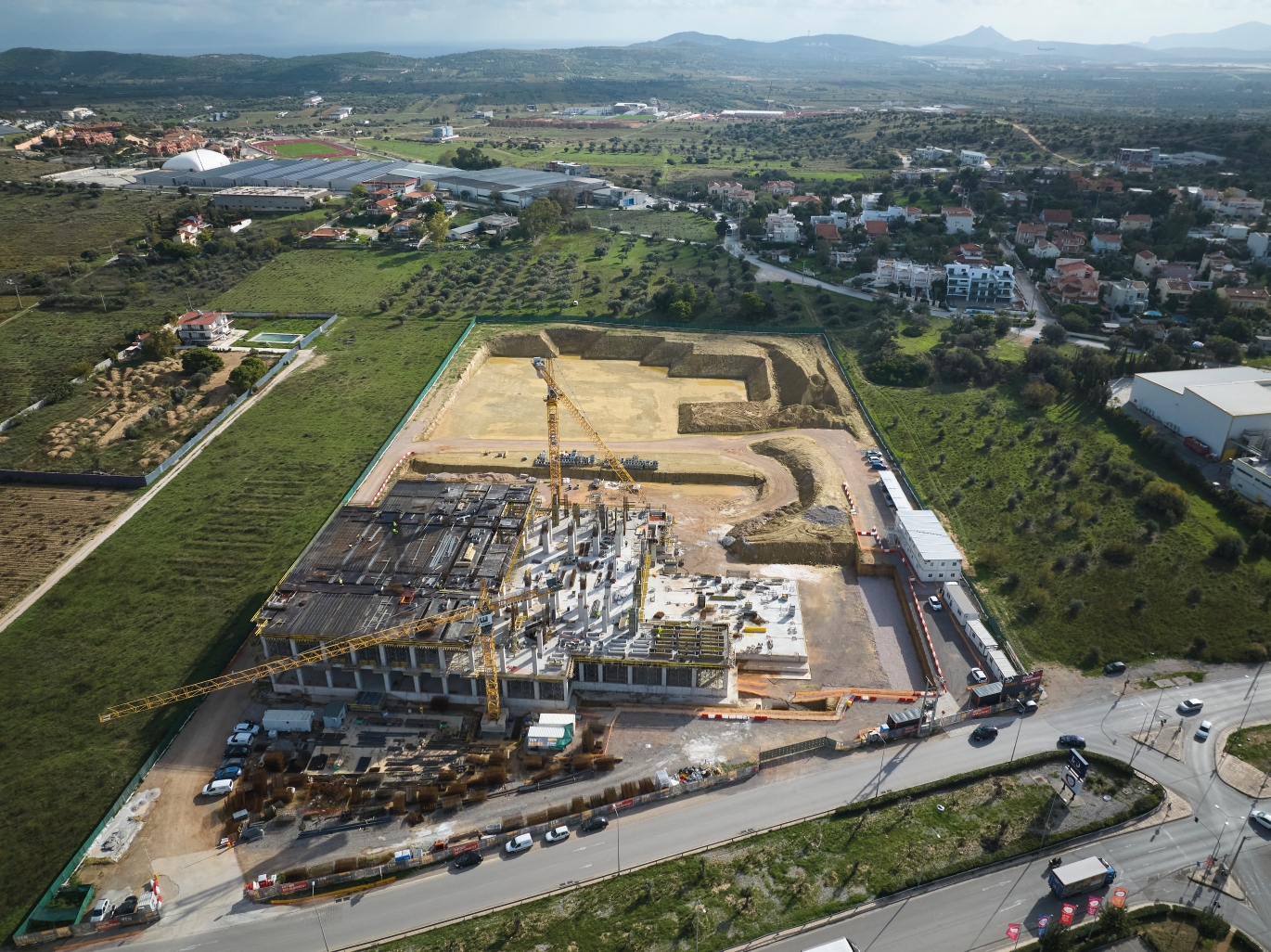
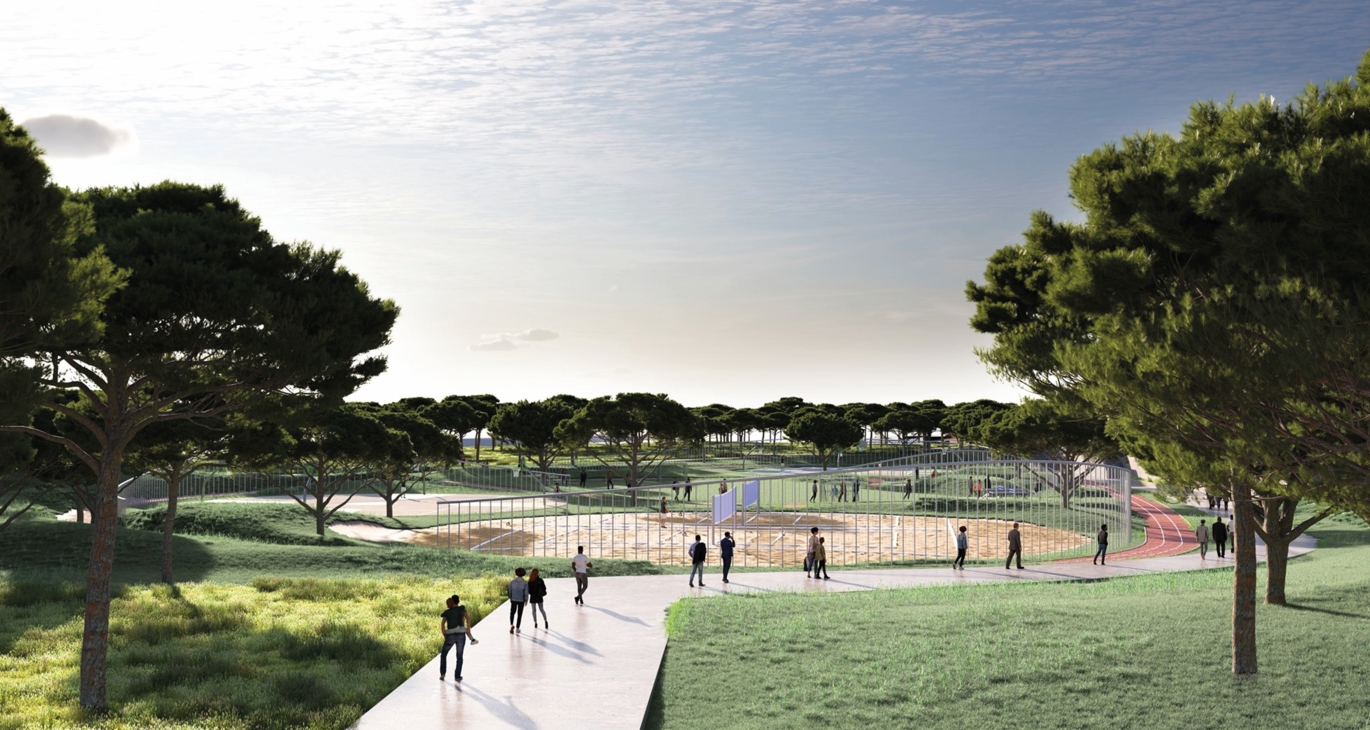
The largest and most emblematic project is obviously the new “AENAON” Metropolitan Park in Faliro Bay. We are talking about one of the largest urban regeneration projects in the Mediterranean. A 741-decare project, with more than 4,000 trees, hundreds of thousands of new plantings, cultural and sports infrastructure, cycling and hiking trails. It is a project that
has been carefully designed to reconnect Attica with the sea after more than 60 years of arbitrary interventions and mistakes. At the same time, the utilization of Tae Kwon Do Stadium and the Water Square creates a new supra-local core of culture, exhibition activity and conference tourism. And of course, the thread that will unify the coastal front will be the integrated coastal bicycle and pedestrian paths, which will connect Kallithea with Hellinikon and Voula, completely changing the experience of the coastal route.
The development of the Athenian Riviera is attracting growing investment interest and international attention. How can the Region ensure that this growth remains sustainable and balanced for residents, visitors, and the business community?
We fully agree that development is not just about real estate and numbers. It is about balance, resilience, and a sustainable quality of everyday life. Those are the three pillars of our approach. Because if you fail to protect residents’ quality of life, you ultimately undermine the investment itself.
That is why we place such strong emphasis on green spaces, public areas, accessible infrastructure, and sustainable mobility. AENAON is a prime example of this philosophy. We are not creating an exclusive zone for a privileged few. We are creating an open public space for everyone.
Attica needs investment, but it also needs clear rules. It needs a well-defined plan. And for that plan to become reality, responsible cooperation and coordination are required among the central government, local authorities, and even the private sector. This is a difficult but essential part of the work that often goes unseen, because ultimately citizens will judge the outcome. And I would like them to judge it rigorously.
Turning to the more tangible aspect of coastal development, what stage has the AENAON project reached today, and what is the timeline for the start of construction?
The project is now fully on track for implementation. And I want to make this absolutely clear: when we took office, we inherited it on the verge of losing its funding. Within just a few months, through hard work and continuous intervention, we managed to restore the Region’s credibility with the European institutions and return the project to the top of the priority list.
Following the positive ruling by the Council of State, we are moving ahead as planned. Our goal is to have a contractor in place by September and a construction site established in the area by the end of the year.
This is a €370 million project financed by European funds. Most importantly, in approximately two and a half years, citizens will be able to enjoy a new metropolitan green space by the sea.
Another important development is the official concession of Tae Kwon Do Stadium and Water Square to the Region of Attica. How do you plan to functionally integrate these spaces into the broader vision of the Metropolitan Park “AENAON” and what will their role be in the future of the coastal front?
Tae Kwon Do and Water Square are not separate projects. They are an integral part of the overall design for the new coastal front. We are talking about a space with enormous potential, which for years remained essentially untapped. Our goal is to transform it into a modern conference, exhibition and cultural center of international standards. A space of extroversion that will be able to host major cultural events and business activities. At the same time, it will operate complementary to “AENAON”, creating almost 1,000 decares of unified coastal green and recreational space by 2030. This is what changes the overall dynamics of the Athens Riviera.
Beyond the park itself, there is also particular interest in the integrated bicycle and pedestrian paths of the Athens Riviera that will connect “AENAON” with The Ellinikon. Given that the project has been postponed for 2027, while there have been changes in the layout in certain places, how do you respond to citizens’ con in certain places, how do you respond to citizens’ concerns regarding the implementation process and the overall experience of the coastal route?
I completely understand the citizens’ concerns, because we are talking about a project that affects the everyday lives of thousands of people. But I want to be honest: in my 32 years in public life, I have learned – through and from the mistakes that were inevitably made – to prefer proper planning, rather than a haphazard project that will create
problems in the future. The bicycle and pedestrian paths of the Riviera are an extremely complex intervention of approximately 17.5 kilometers in length, which connect different Municipalities, infrastructure and land uses. The changes in the layout were made precisely to ensure better functionality, safety and accessibility. Our goal is not
just a beautiful route. It is to create a new experience of living and moving by the sea. The project will be completed immediately, even if I have to make difficult decisions.
In a period when cities are being re-evaluated based on their quality of life, infrastructure and resilience, what do you consider to be the greatest competitive advantages of Attica?
Attica has unique comparative advantages. It combines history, culture, the sea, entrepreneurship, tourism and much more: universities, innovation and our geostrategic position. It is the heart of the country’s real economy, producing almost 48% of the national GDP. The bet is that these advantages will translate into a better quality of life for the citizen. That is why we are investing in infrastructure, flood protection projects, greenery, culture and modern transport. Let me repeat it once again in the conversation that we are having. Attica in 2030 must be more resilient, more functional and more humane. With an emphasis on the humane.
Coastal development is now directly linked to issues of sustainability, climate resilience and public space. How are these priorities integrated into the planning of the Region?
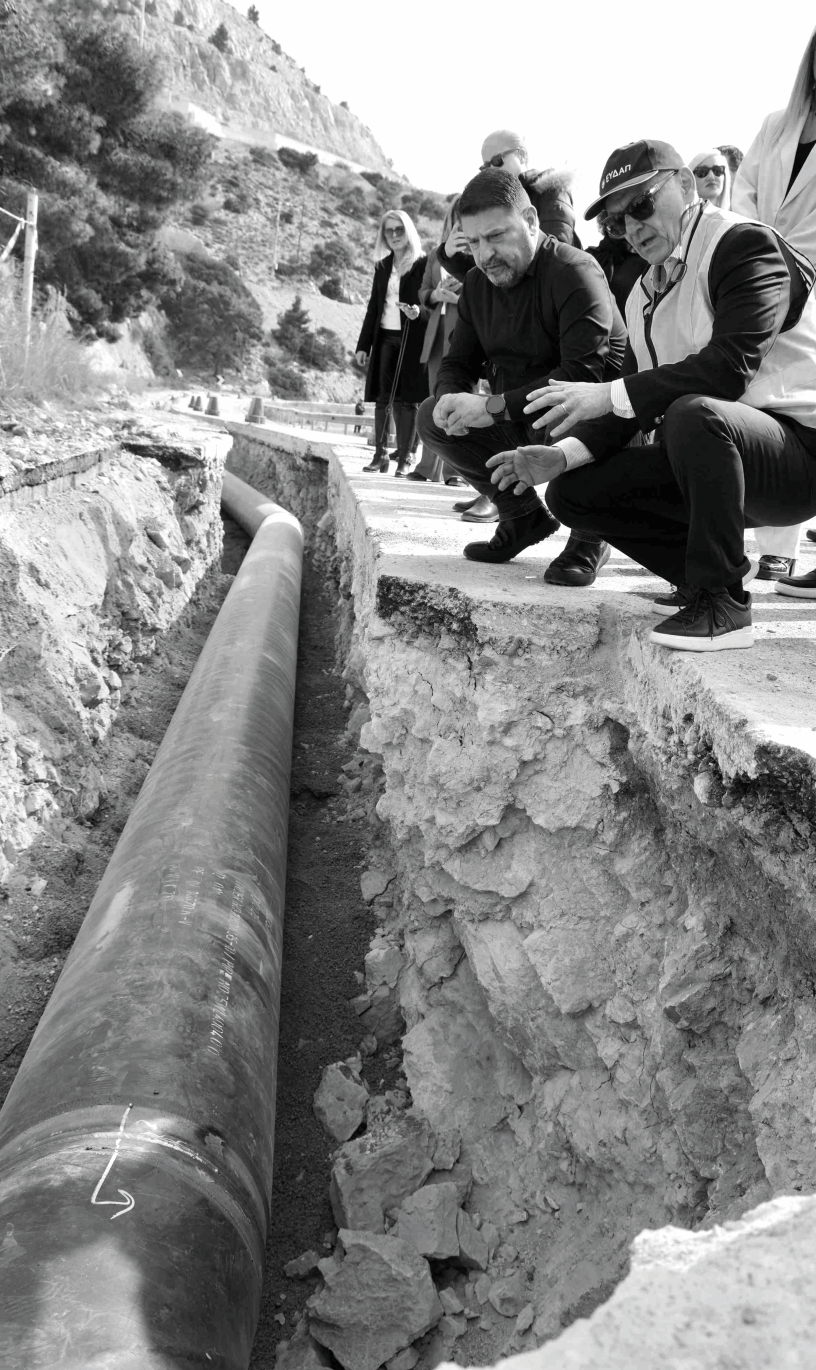
For us, these are not separate matters. They are the core of our planning. Today, you cannot talk about development without a plan for the climate crisis and without protecting public space. Climate change forces us to plan differently. With more greenery, modern water management infrastructure, sustainable transportation and an emphasis on prevention. The major projects currently underway are not being built in order to make an impression or attract votes. They will be judged by whether they truly improve people’s lives. After all, I have made it clear that if the citizens of Attica entrust me with a second term, this will be my last one in local government, but also in public affairs.
Published in “White Paper: The Greater Riviera”, NouPou Media’s special edition spotlighting the future of coastal Attica.