


Faliro: Shaping Athens’ new waterfront
The coastal front of Athens is entering a new phase, with Palaio Faliro emerging as one of the key links in the wider chain of interventions that are changing the physiognomy of the Athens Riviera. From Flisvos Marina to Vouliagmeni and from Alimos to Elliniko, a unified coastal system of public spaces, marinas, cultural infrastructure and urban regeneration is gradually taking shape, which concerns not only the tourist image of the capital, but also the daily life of the residents. “The new outlook for the Athens Riviera can represent a major opportunity for the southern suburbs and for Palaio Faliro, provided that development remains people-centered and delivers positive outcomes for everyone. Our cities must evolve without losing their character, without drifting away from the needs of their residents, and without abandoning the elements that make them unique,” states the Mayor of Palaio Faliro, Yiannis Fostiropoulos, in his contribution to the White Paper.
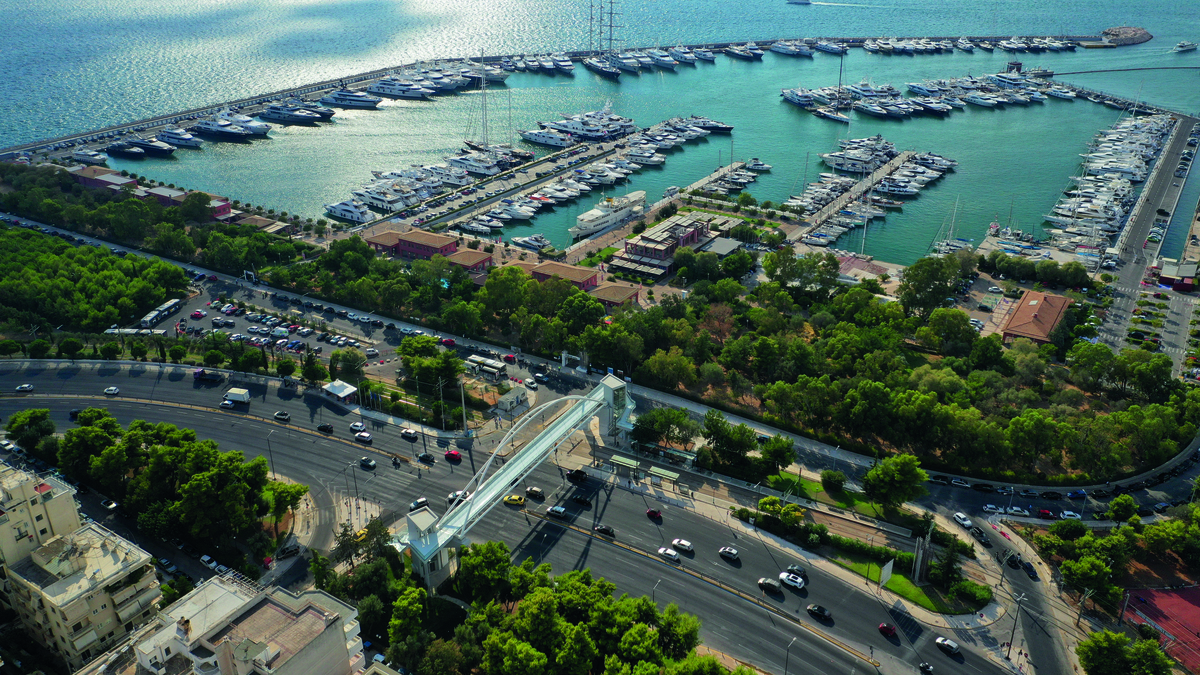
Faliro is at the heart of this transition. It has not only a coastal zone, but one of the most directly accessible fronts of Athens towards the sea. As the Deputy Mayor of Culture and Administration of Palaio Faliro, Giorgos Prapas, points out, the special feature of the area is that the city almost directly touches the sea, as it is essentially separated from it by only one road. “In contrast to other areas of the coastal zone, where residential buildings or larger building zones are interposed between the urban fabric and the beach, in Palaio Faliro the relation ship between residents and the coastal front remains direct and daily,” he notes indicatively.
The concept of Metropolitan Waterfront no longer concerns only large emblematic projects. It also concerns the connection of smaller and larger interventions, which together can transform the coastal zone into the new public facade of Athens. However, the largest urban intervention in Palaio Faliro concerns the creation of the ΑΕΝΑΟΝ Metropolitan Park, under the responsibility of the Attica Region. The project, with a total area of 541,000 sq m and a budget of €370 million, is the largest urban regeneration project in the Attica Region and is expected to completely upgrade the coastal front of the Athens Riviera, offering citizens a modern green space, culture, sports and recreation.
The coastal bike path project is in progress
In Palaio Faliro, the project agenda includes interventions that move along three axes: leisure time and sports, culture, and the upgrading of public space.
At the same time, the bike path that will connect the southern front is in progress, with part of the project also involving Palaio Faliro. Its completion is set to be postponed for after the summer, as the works on the coastal front significantly burden daily traffic. However, the significance of the project is strategic as the bike path can function as infrastructure that shall unify the individual points of the coastal axis, offering continuity to an area that remained fragmented for decades.
Of particular importance is the restoration of the historic “Round” building of Flisvos, an emblematic building for the area, which is currently undergoing renovation and is expected -provided that the deadlines are met- to be ready in November 2026. “The project envisages its conversion into a space for exhibitions, cultural events and activities, with the use of the surrounding area for concerts and open air events. At a cost of approximately 3 million euros, the intervention aims to bring a building associated with the identity of Faliro back into active use,” Giorgos Prapas points out.
The new skatepark in the area of Agia Skepi, next to the Flisvos Marina, has already been completed. According to Giorgos Prapas, it is a large and modern space aimed mainly at youth and combined with outdoor fitness and calisthenics infrastructure. The importance of such interventions is not negligible. In a city where free public space has always been desired, the creation of sports areas near the sea enhances the everyday character of the coastal front and prevents its transformation into an exclusively tourist or commercial zone.
The focus is on upgrading the marinas on the coastal front
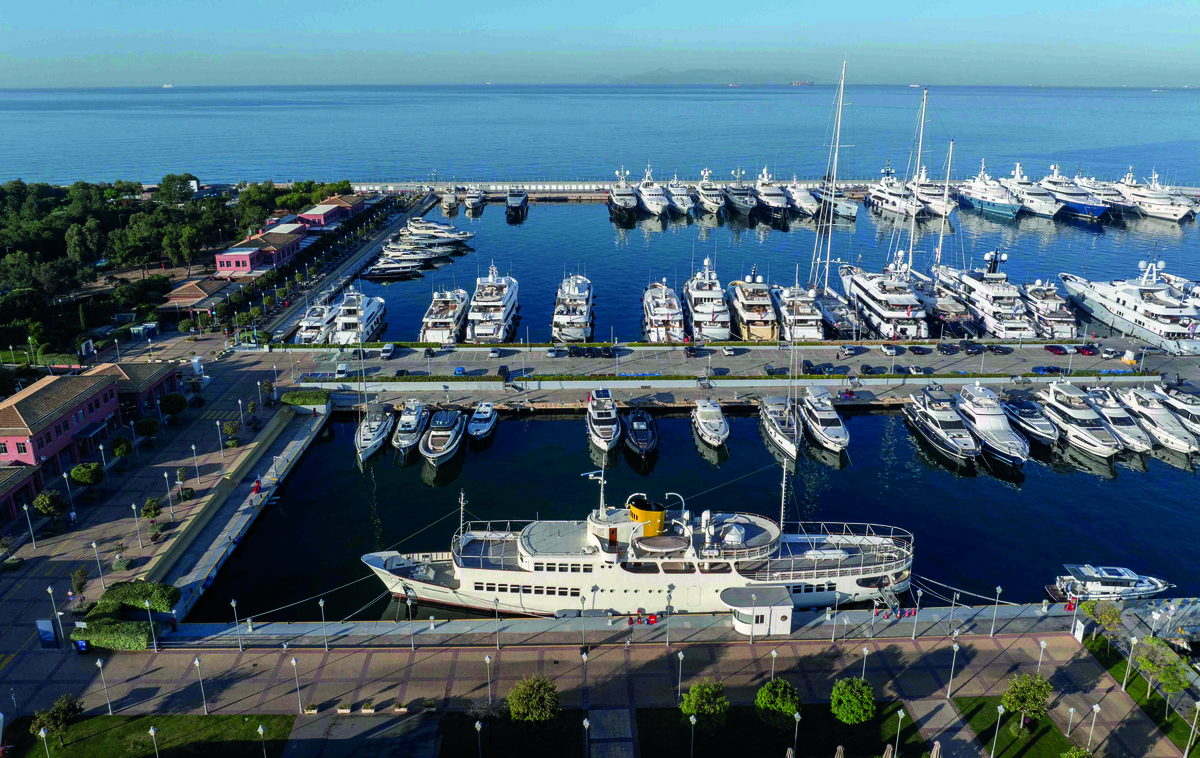
At the same time, the key challenge for the wider Athens Riviera remains the upgrading of the marinas. Nikos Florios, co-founder and Managing Partner of Marnet S.A., a company behind the design of many marinas in Greece, describes this development as crucial for the image and operation of Athens as a seaside metropolis. The Vouliagmeni Marina has already been completed and is fully operational, while the next major project is considered to be the Alimos Marina, for which Marnet has prepared a master plan. He estimates that, if the licensing issues are resolved, the interventions in the Alimos Marina could be completed in about two years.


The completion and operational upgrading of the Flisvos, Alimos, Elliniko and Vouliagmeni marinas creates, according to Mr. Florios, a new network of high-value infrastructure for Athens. It is not just about moorings. “Modern marinas function as hubs for recreation, commercial activity, tourism promotion and urban added value. They enhance the prestige of the city, attract higher-income visitors and even influence the housing market in the surrounding areas.”
Maintaining the balance between the neighborhood and urban development is a key issue
In Palaio Faliro, however, the upgrading of the waterfront coexists with a different concern – intense housing pressures. Giorgos Prapas describes an area that still maintains the character of the neighborhood, with small shops, squares, schools and human interaction, but is at the same time pressured by the replacement of single-family homes with multi-story buildings. The increase in residents, vehicles, waste and cleaning needs creates, as he says, an environment that is approaching saturation point.

This is perhaps the main dilemma for the future of the Metropolitan Waterfront. How will Athens acquire a modern, extroverted and functional waterfront without sacrificing the social, neighborhood-like character of the areas that host it? Palaio Faliro shows that the answer lies not only in large projects, but also in maintaining the daily relationship of residents with the sea, culture and public space.
Published in “White Paper: The Greater Riviera”, NouPou Media’s special edition spotlighting the future of coastal Attica.