

Piraeus: The new “gateway economy” of the Mediterranean
Piraeus is turning the page and is claiming a leading role on the investment and urban map of Southeastern Europe, as it is being transformed from a traditional port into a multidimensional development hub that combines infrastructure, real estate and modern urban experiences.
- 20/07/2026 15:51
Despite the long history and popularity that characterizes Piraeus, the region has been slow to find the place that it deserves on the global investment map. The time has come and the area is now in a phase of radical transformation: from a traditional port, it is being transformed into a destination port and a metropolitan urban hub, combining logistics, cruises, real estate, tourism, shipbuilding and repair zone and modern infrastructure.
The completion of major transportation projects, such as the extension of metro line 3 with three new stations (Maniatika, Piraeus, Municipal Theater), the upgrading of port facilities and the entry of large scale private investments are creating a new development narrative: Piraeus as a “gateway economy” of Greece and SE Europe.
Piraeus Port Authority (PPA) investments are expected to exceed €1.4 billion, with the added value of the port of Piraeus for the Greek economy estimated at 1.56% of GDP. The most recent moves include the start of work on the creation of a new park with a model playground and bike path, marking the creation of a modern recreational area in the heart of the Piraeus port area.
The investment, with a budget of €3.25 million and a 24-month implementation horizon, is part of the strategy to strengthen the social footprint of the port and its connection with the city. The launch of the project also coincides with the tenth anniversary of the start of collaboration between COSCO SHIPPING and the PPA, which has contributed significantly to the upgrading of the international position of the port. The new park, which is being developed in the cruise area, will be fully accessible and designed for all ages, with the main core being the 2,200 sq.m. standard playground and a two-way bike path. In addition, it includes a 50-space parking lot, a health-regulated establishment, an outdoor gym and multi-purpose areas.
Urban Regeneration and an “Attractive City”
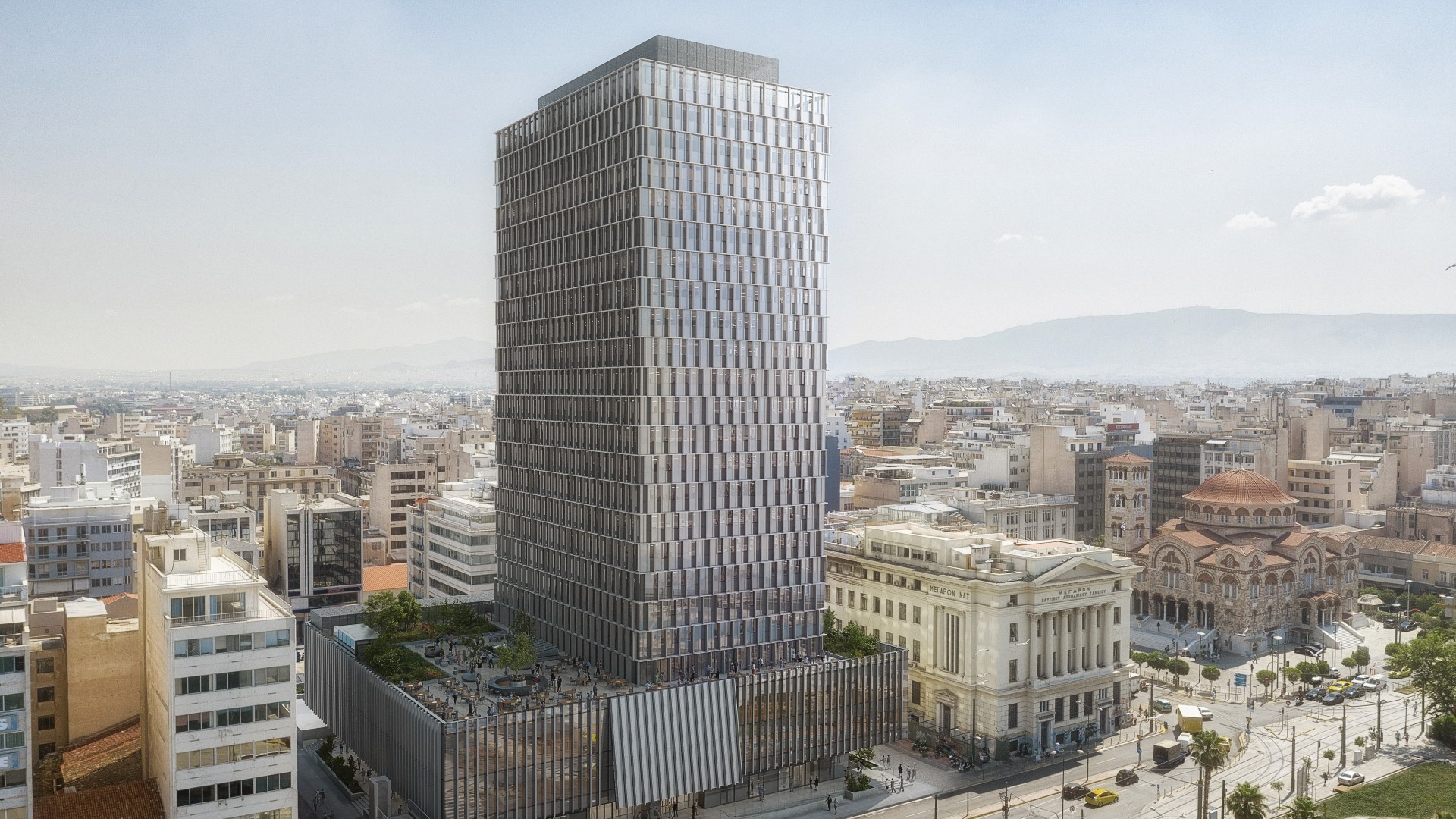
With regard to urban regeneration and the real estate market, the Piraeus Tower has been leased at a rate exceeding 80%, while the Piraeus Gate, with a total area of 105,000 sq. m. and a budget of €250 million, is under construction. At the same time, the new Piraeus Courthouse, a PPP project worth €80 million, is expected to be delivered in 2026-2027, the Salamis-Perama underwater road tunnel, worth €500 million, is in the tender process, while the Skaramangas triple junction, worth €55 million, is also in the works.
Fotis Gioftsios, CEO & Vice President of Ten Brinke Hellas, the company that is currently behind some of the country’s most prominent developments, confirms the intense construction activity recorded in the area. “The city has stoically waited for an opportunity to reintroduce itself, both to Greeks and to its foreign visitors. It has the capacity, in terms of location, to evolve into a modern cosmopolitan “gateway” of the country, as the largest port in Greece and the seaport of the capital. And it should not lose its identity by imitating successful examples of other cities abroad or Municipalities of the Athenian Riviera. However, the long-standing structural challenges facing Piraeus make the movements of developers even more difficult. Inadequate management of urban mobility, chaotic street planning, an outdated road network that is unable to serve citizens and visitors, lack of green spaces. To make the city more attractive, elegant buildings are not enough,” he points out.
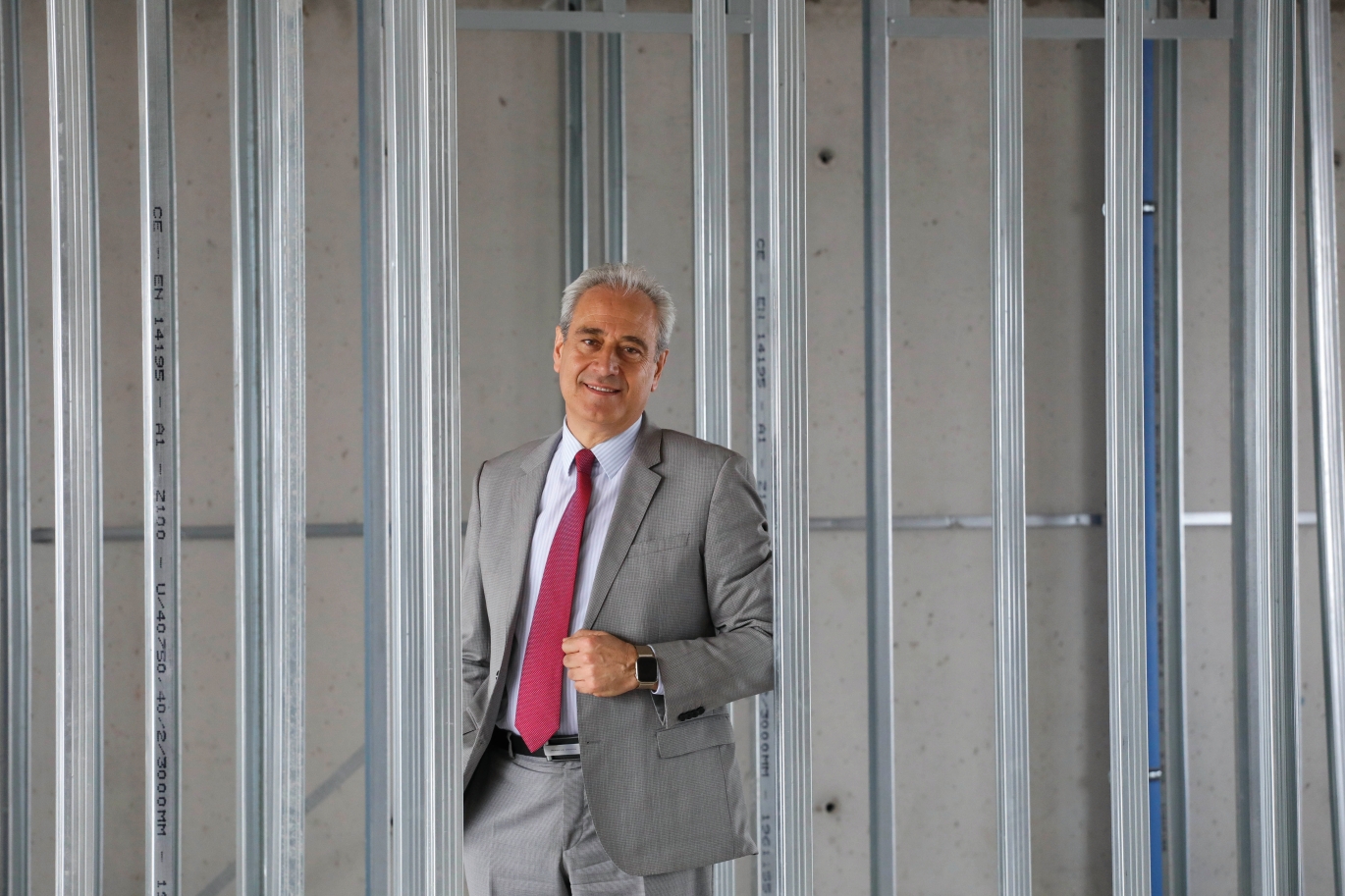
He believes that the greatest “untapped value” for Piraeus today is not in a single use, but in strategically planned mixed-use development, with logistics and housing operating complementarily, with tourism as a catalyst. He adds that it is the largest port of entry in the Eastern Mediterranean, with a huge flow of transit passengers, but also with an insufficient stay experience, involving the risk of mono-theme tourism based on cruises and short-term stays. Quality, energy-efficient housing, which is linked to value-added services and is integrated with parallel uses, seems to have the greatest “untapped value”, especially when integrated into a broader concept.
“Now is the opportunity for Piraeus, with the help of serious developers, to create a strong narrative, highlighting its special identity and to transform itself from an operational port” into a comprehensive city-destination. Our portfolio includes tourism development and student housing projects, with some of these projects potentially starting in 2026”.
Fotis Gioftsios concludes by saying that the map of the region will change through a thorough, solid collaboration between the public sector and developers who have a long-term strategic perspective. “No private project is sufficient if the numerous problems identified are not first addressed. In an integrated manner. Strategically. With vision. Because, you know, Piraeus today does not suffer from a lack of interest or capital. It suffers from institutional fragmentation among authorities, with each investment being dealt with on a case-by-case basis, costing time, resources and often, quality terms of inter-agency coordination”.
Sustainability, Quality of Life and Investment Value
But what are the critical urban projects that can upgrade the quality of life and create a sustainable, modern urban ecosystem? And how is this transition connected with the needs of residents and businesses? As Konstantinos Petridis, President & CEO of DKG Development, points out, a new generation of urban developments that operate as integrated ecosystems is required for Piraeus to turn the page. The projects that really make a difference are those that combine housing, work, hospitality and commercial uses, while incorporating greenery, modern infrastructure and upgraded public and communal spaces.
“Quality of life and investment value are not contradictory concepts – on the contrary, they are mutually reinforcing. Residents are looking for functional, sustainable neighborhoods with high aesthetics, while businesses choose environments that offer resilience and efficiency with stable growth prospects.”
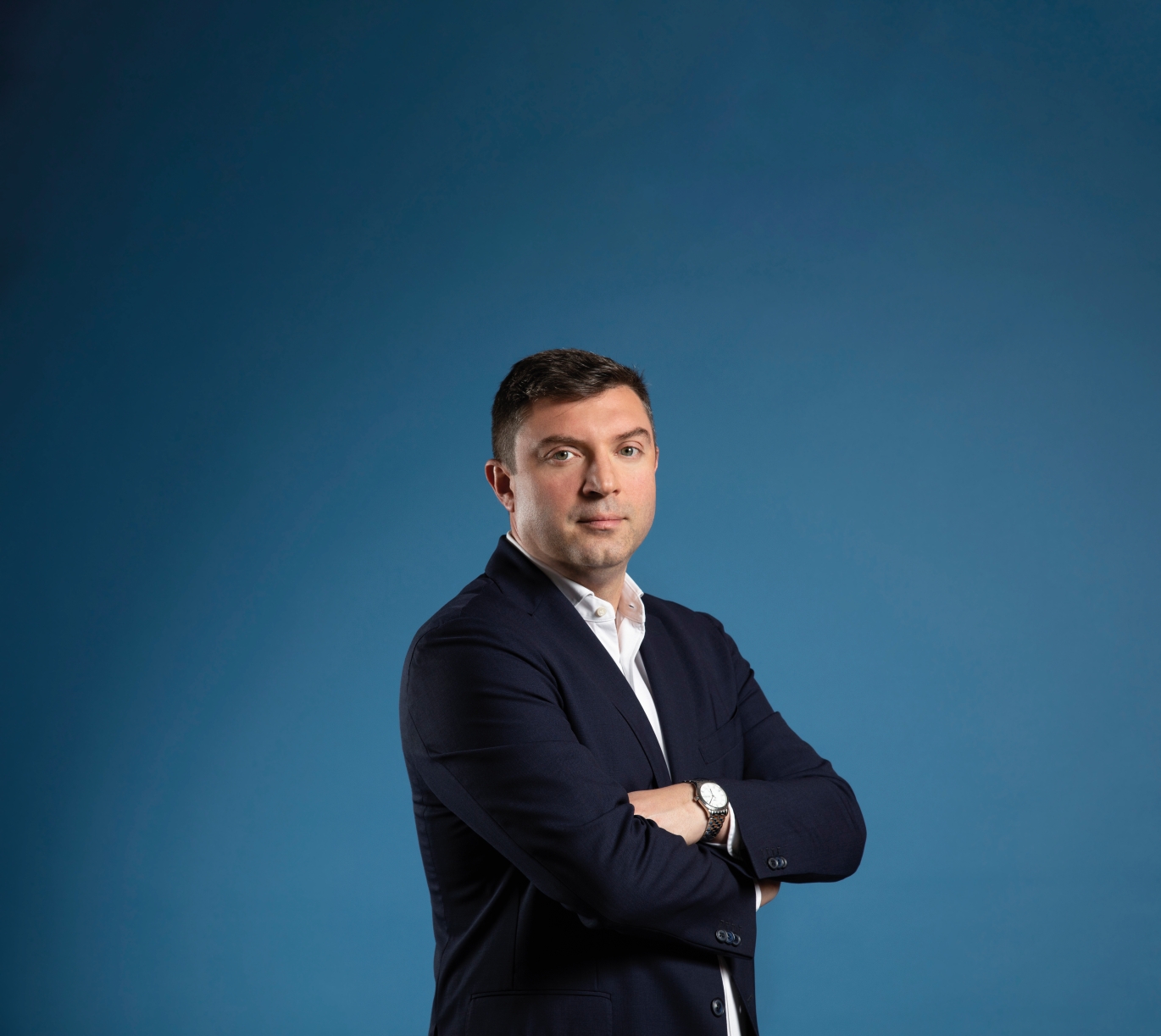
DKG Development’s management focuses on creating integrated urban experiences rather than individual properties. It approaches Piraeus with an emphasis on clear gaps in the market: modern, high-standard housing for the middle-income class, flexible hospitality formats that address international visitors and professionals and that meet the needs of international mobility, as well as modern professional spaces that are functionally connected to the dynamics of the port.
A typical example of this approach is Piraeus Gate, a development of over 105,000 sq. m., which transforms a former industrial area, at the entrance to the city, into a modern, mixed-use, urban environment with residences, offices, hospitality, commercial uses and many green spaces, designed with the aim of securing LEED Neighborhood certification.
“These developments are not designed as isolated buildings, but as coherent totalities, where the architectural quality, the design of the facades and the choice of materials contribute to the overall upgrade of the urban landscape. Particular emphasis is placed on the shared spaces, which are designed as an integral part of everyday life rather than as leftover areas between buildings. Open green spaces, movement routes and meeting points are created that enhance social interaction and the sense of neighborhood. At the same time, the integration of extensive plantings contributes substantially to the improvement of the microclimate, reducing thermal load and enhancing natural shading, while at the same time promoting biodiversity within the urban fabric”.
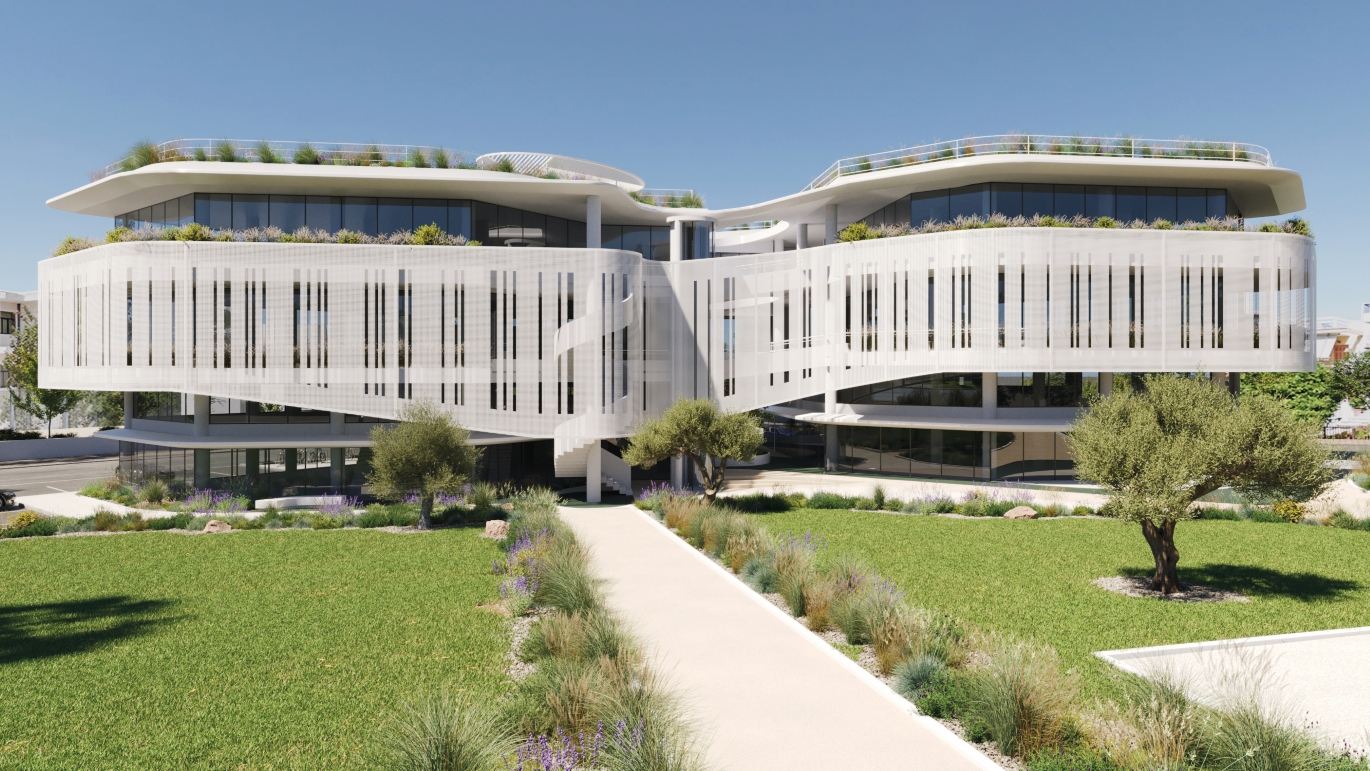
Today, a significant number of projects are under construction, including residential buildings, hospitality units and mixed-use developments with active commercial exploitation. At the same time, new developments are entering the preparation or design stage, while individual commercial buildings have already secured the necessary permits. The first deliveries are expected within the period 2027-2028, with the overall development evolving over time, gradually shaping an integrated and functional urban environment.
Published in “White Paper: The Greater Riviera”, NouPou Media’s special edition spotlighting the future of coastal Attica.