


The Unified Coastline: The new comprehensive narrative of coastal Attica

The coastal zone of Attica is entering a phase of profound reorganization, as public regeneration, large private investments, infrastructure projects, tourist developments, marinas and new architectural approaches gradually constitute a unified narrative for the capital’s coastal front. From Piraeus and Faliro to Hellinikon, Glyfada, Vouliagmeni, Saronida, Elefsina and Lavrio, Attica is attempting to reestablish its relationship with the sea, leaving behind decades of fragmented interventions, urban discontinuity and limited access for citizens to the coastline.
The sea is no longer seen as the city’s boundary, but as a key element of its metropolitan identity. The “Athens Riviera” is not a mere promotional term anymore and is transformed into a field of investment, infrastructure and urban redesign. The new narrative is not only about high-income tourism or luxury housing. It includes public spaces, parks, bicycle paths, flood control projects, port infrastructure, new commercial developments and interventions that shift the city’s centre of gravity towards the sea.
The new reading of the coastal front begins in Piraeus
The starting point of this transition is in Piraeus, the largest port in the country and one of the strongest urban and economic poles in the Mediterranean. The upgrading of the port, the interventions in the cruise industry, the creation of new recreational areas and the repositioning of Piraeus on the map of modern investments operate as the first part of the unified coastal chain.
The regeneration of the Piraeus Tower is moving in the same direction; from a building-symbol of abandonment, it was transformed into a “green” and digital landmark of offices, commerce and services. The investment by the DIMAND, EBRD and Prodea consortium offered a new image to the entrance of the port, while the area around Agios Dionysios, Drapetsona, Mikrolimano, Kastella and Piraiki is gradually attracting new investor interest. At the same time, the regeneration of Mikrolimano, the strengthening of catering and leisure uses, as well as the new residential developments in the wider Piraeus, led by DKG Development’s investment with the Piraeus Port Plaza at the entrance to the city, confirm that the seafront is no longer limited to commercial port activity.
At the same time, Piraeus Port Authority S.A. is proceeding with interventions within the port zone, with an emphasis on cruising, improving accessibility and creating spaces that better connect the port with the city. Piraeus is not only the gateway to the islands; it is becoming the starting point of a single coastal axis that ends in Lavrio.
The radical reform of the Faliro Front and “AENAON”
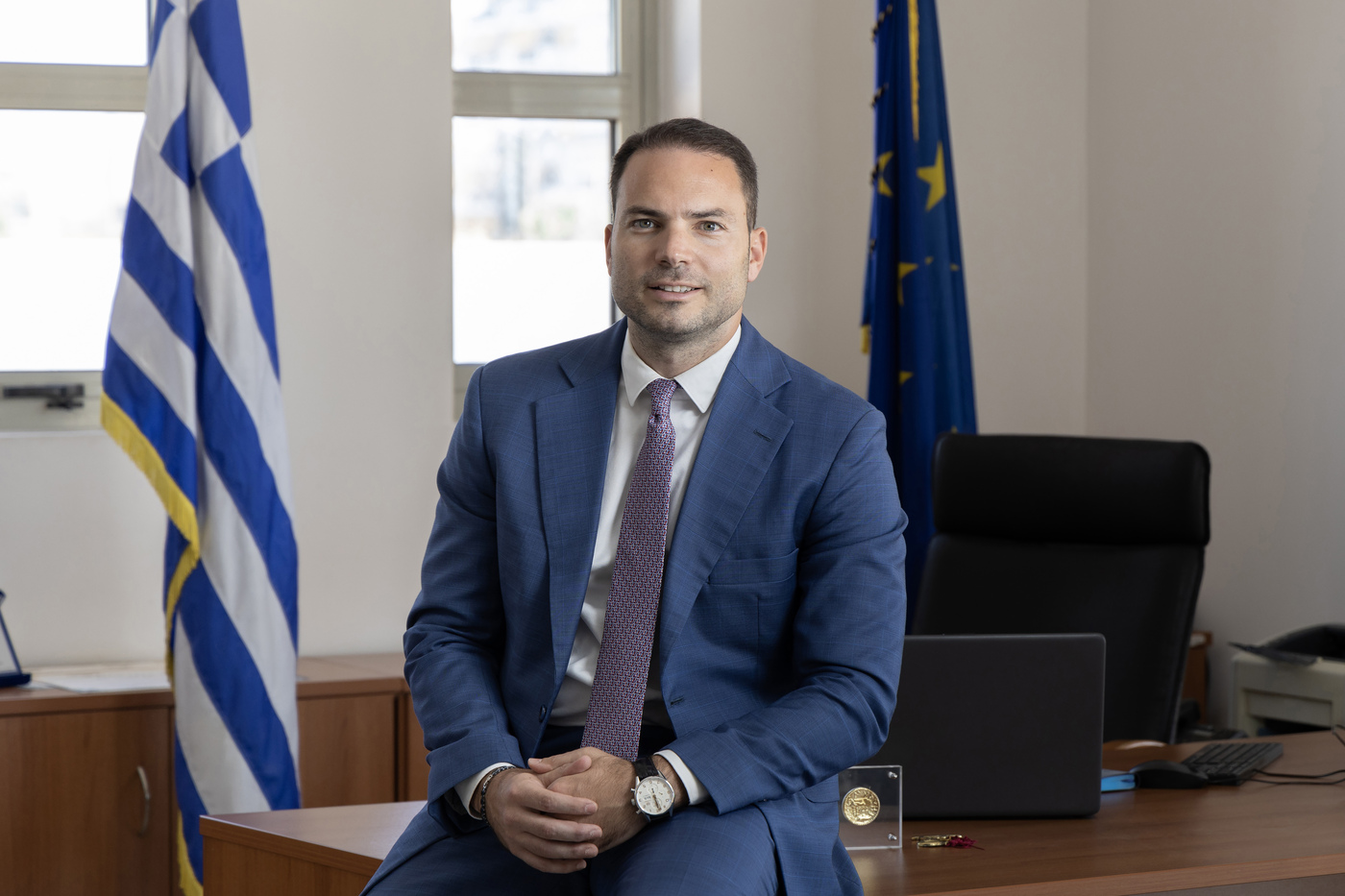
At the heart of public planning is the Faliro Front, where the creation of the “AENAON” Metropolitan Park is underway, the budget of which is approaching €370 million. As Christos I. Theodoropoulos, member of the Coordinating Body for Strategic Planning of the Attica Region, regional councilor and former deputy governor of the Southern Sector of Athens, points out, Faliro is at the absolute epicenter not only of Attica, but also of the country, as emblematic urban regeneration interventions are concentrated there. “AENAON” is planned to extend from the outskirts of the Peace and Friendship Stadium to the Tae Kwon Do stadium, transforming a crucial section of the coastline into a space of greenery, recreation and public life. The significance of the project is extensive, as it pushes the Faliro front to function as a point of reorientation of the city towards the sea.
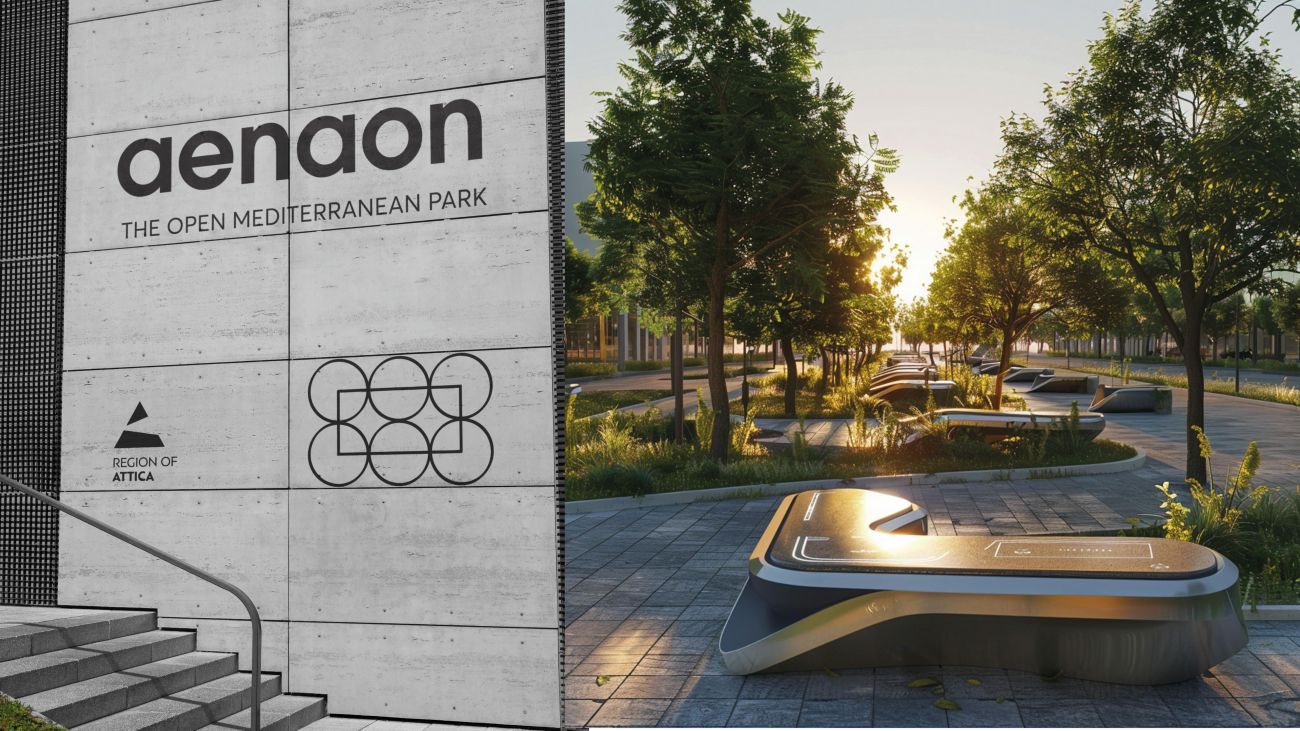
In this context, the concession of the wider area of Water Square by Hellenic Public Properties Co. to the Region of Attica for 40 years, with the aim of radically regenerating and transforming it into a green, sports, cultural and light commercial area, is also included. This is an intervention that aspires to provide an upgraded public space to citizens and to functionally connect Faliro with the broader changes that have already taken place in the area, from the Stavros Niarchos Foundation Cultural Center to the Hellinikon.
Faliro, however, is not changing only through “AENAON”. Other interventions are also taking place in the wider area, strengthening its character as a new metropolitan front. These include the dredging, cleaning and arrangement of the Ilissos River, with a budget of €12.8 million, which is linked to the flood protection of the area. At the same time, the complete renovation and regeneration of the surrounding area of the “Flisvos” Cultural Center is progressing, while the coastal bicycle path, which will run through a significant part of the Athenian Riviera, is also part of the same network of interventions, reinforcing the logic of gentle movement and the continuity of public space.
The Alimos Marina as a new yachting hub
Further south, the Alimos Marina is another crucial piece of the puzzle. The investment undertaken by REDS, a company of the Ellaktor group, through the concession of the marina, aspires to upgrade one of the largest marinas in the country and transform it into a modern destination for marine tourism, recreation and commercial uses. The intervention is not limited to the berthing positions. It includes the upgrade of the land area, green spaces, shops, catering, service infrastructure and functions that can highlight Alimos as an intermediate hub between Faliro and Hellinikon.
The Alimos marina is particularly significant for another reason: it is a link between the urban fabric and the marine tourism network. At a time when yachting and high-quality experiences are acquiring more importance in the Greek tourism product, the marina’s upgrade complements investments in Glyfada, Vouliagmeni and Lavrio.
The Ellinikon: The catalyst for transition
At the same time, The Ellinikon functions as a key catalyst for transition. For Michalis Mavroleon, CEO and founder of A&M Architects, this is one of the most important urban projects that the country has seen in recent years. The firm is actively involved in individual projects in The Ellinikon, including the commercial hub of approximately 200,000 sq. m., as well as residences in Little Athens, on two plots of 12 and 14 decares. As Michalis Mavroleon notes, participation in these projects concerns the shaping of the face of a new Athenian neighborhood, with an emphasis on sustainability, human scale and urban cohesion.
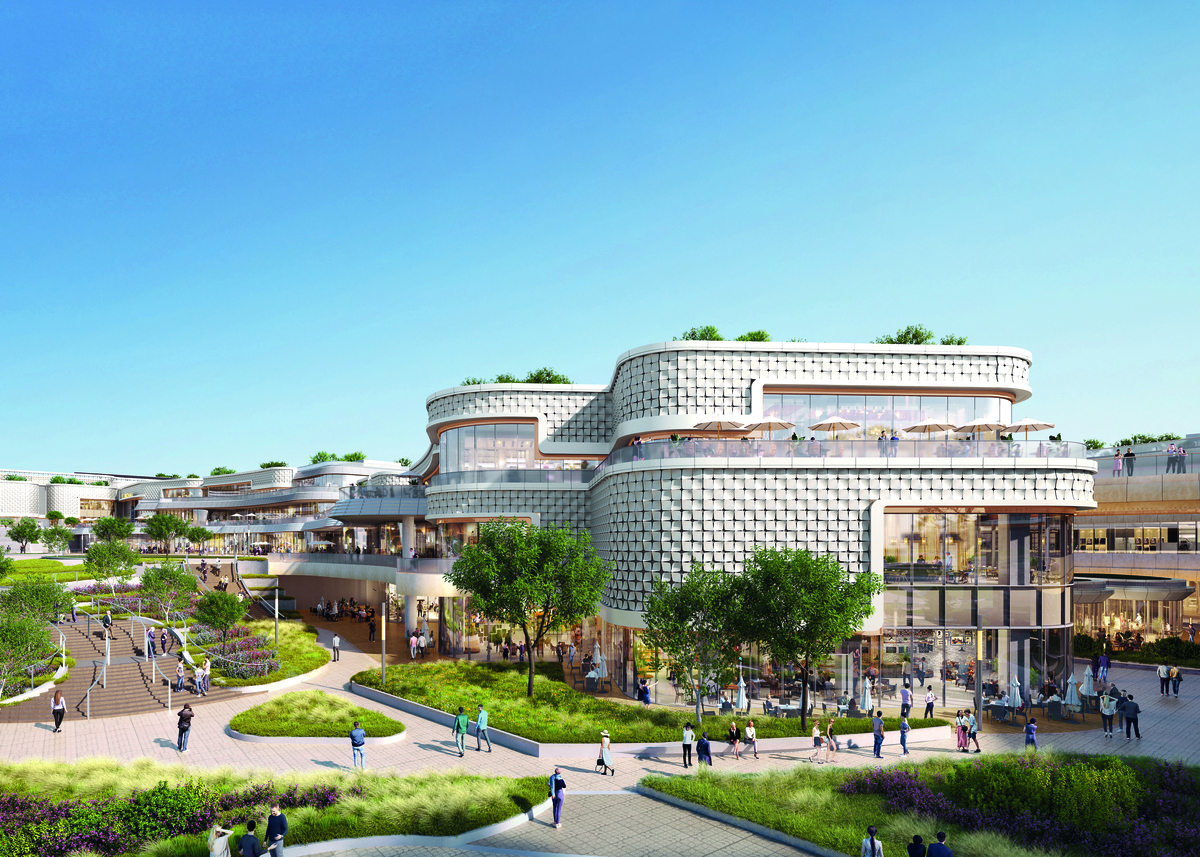
The distinctive difference of The Ellinikon is that it is a large “greenfield” development – that is, an urban area that is planned from the beginning, without being founded on the problems of an existing urban neighborhood. This, according to Mr. Mavroleon, constitutes a reversal in relation to the usual architectural and urban planning standards in Greece. Architecture is no longer limited to aesthetic intervention, but is shifted to the creation of “place character”.
In The Ellinikon, one of the largest mixed projects in Europe is being developed, with residences, offices, hotels, shopping centers, green spaces, sports facilities, a marina and recreational infrastructure. The Riviera Tower, the Riviera Galleria, The Ellinikon Mall, Little Athens, the Integrated Resort Casino, the new educational infrastructure and the coastal park form a network of projects that changes the scale of the Athens Riviera. The undergrounding of part of Poseidonos Avenue is also a crucial intervention, as it attempts to restore the city’s contact with the sea and reduce the barrier that the road axis has created for decades.
The commercial hub and the new neighborhoods
In the commercial hub, where A&M Architects operate as architects of record in collaboration with the international office AEDAS, the goal is to create a landmark that will combine technology, modern design and sustainable building principles. Accordingly, in the residential projects of Little Athens and the Sunset Groves complex, the goal is to develop a modern residential complex that incorporates natural surfaces, permeability, proper orientation and substantial greenery, not as a branding element, but as an organic part of the design.
The development of new residences, commercial uses and recreational areas is shaping a more modern image of the city and is creating new expectations for the quality of the urban environment. At the same time, however, this dynamic trend is accompanied by significant challenges. Traffic, pressure on infrastructure and the need to balance development with the public character of the coastline remain open issues. Mr. Mavroleon notes that even interventions such as the undergrounding of Poseidonos Avenue are not sufficient on their own to fully solve the urban planning and traffic needs of the area.

Glyfada, Voula and Vouliagmeni on the map of high-end hospitality
Glyfada, Voula and Vouliagmeni constitute the most mature zone of the Athenian Riviera in terms of leisure, housing and high-end tourism. Grivalia Hospitality’s investment in One&Only Aesthesis in Glyfada, amounting to approximately €300 million, brought the historic area of Asteria back to the forefront and placed it on the international map of luxury hospitality.
However, the focus is also on the development of the coast, as in the case of the B’ Voula Beach under the investment scheme of Athens Beach Club, with the participation of TEMES, a company of the Konstantakopoulos and Olayan groups, the shipowner George Prokopiou and Dinos Kokkalis. The Vouliagmeni Coast, which has also been included in the regeneration plan, has been undertaken by the scheme of the Evergood and Gevsinous companies as a contractor-lessee.
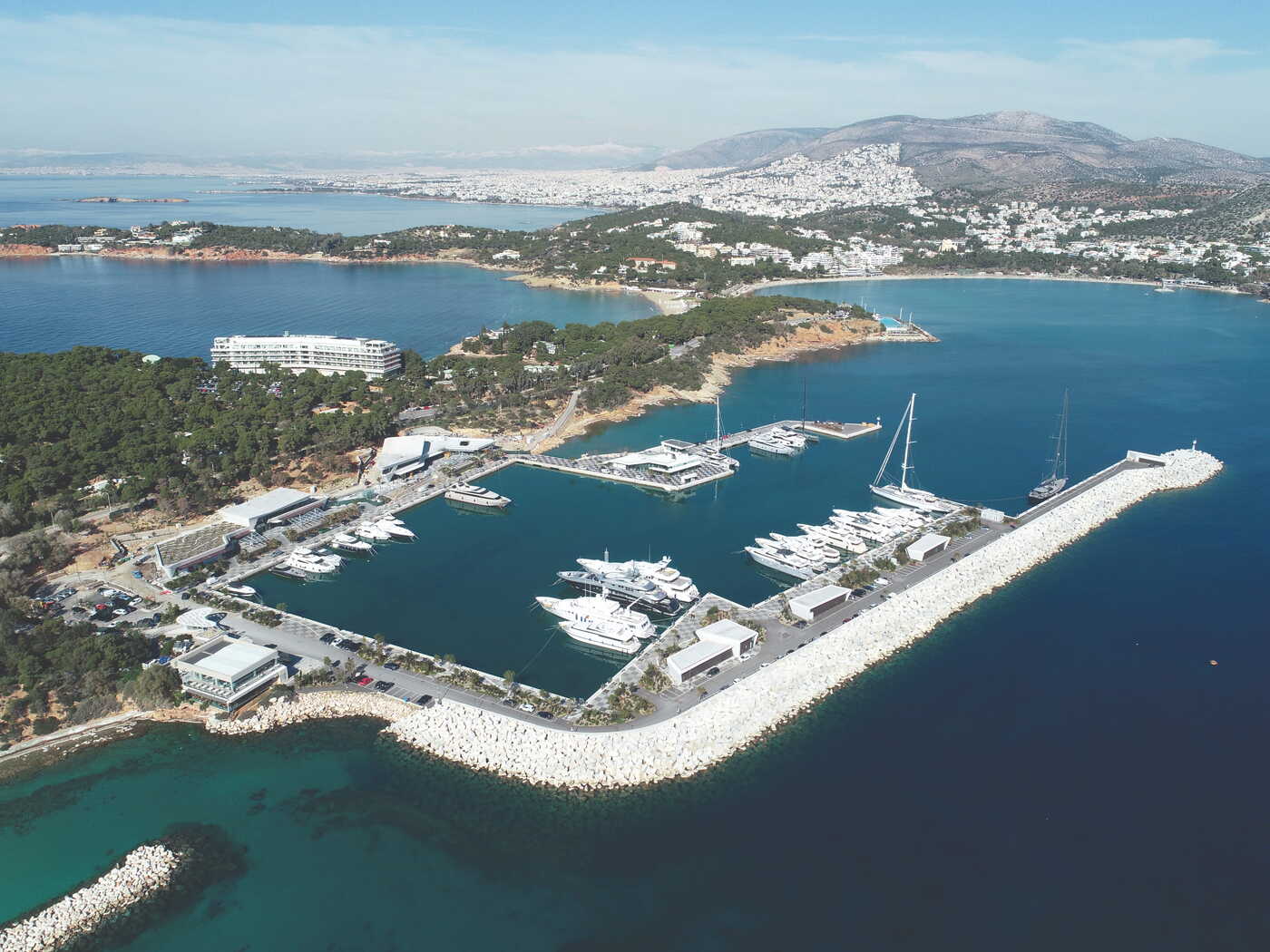
In Vouliagmeni, Astir and Astir Marina have already formed one of the strongest luxury tourism cores in Greece, while their acquisition by Giorgos Prokopiou, who has developed one of the largest real estate portfolios in the country, is of key importance. The upgrade of the marina, the presence of the Four Seasons Astir Palace and the complementary dining and leisure uses reinforce the international identity of the area. Vouliagmeni now functions as a reference point for the upper segment of the market, while the demand for high-end residential and tourist properties is gradually spreading to Varkiza, Saronida and Anavyssos.
Saronida and Lavrio: The expansion of the narrative to the southeast
The next development zone extends beyond Vouliagmeni. In Saronida, the Saronida Olympos Golf Project, with a budget of approximately €840 million, is one of the largest tourism development projects in Attica. The project includes tourist facilities, residences, commercial spaces, a golf course and interventions on the coastal front, attempting to create a new organized destination in the southeast of the capital.
Even further south, Lavrio is entering a new phase through the development of its port. The international tender for the acquisition of a majority stake in the Lavrio Port Authority has attracted strong investor interest, while the port is gradually strengthening its role in cruising, yachting and coastal ferry connections. The prospect of upgrading Lavrio is also linked to the tourist development of southeastern Attica, the better utilization of the distance from the airport and the emergence of a second important maritime hub that will be complementary to Piraeus. With the new reality brought by the successive investments in the entire coastline, Piraeus, Faliro, Alimos, Hellinikon, Glyfada, Vouliagmeni, Saronida and Lavrio are gradually forming a unified front. In this environment, public interventions meet private investments and architectural identity meets sustainability.
Published in “White Paper: The Greater Riviera”, NouPou Media’s special edition spotlighting the future of coastal Attica.